



DNV issues onboard carbon capture guidelines
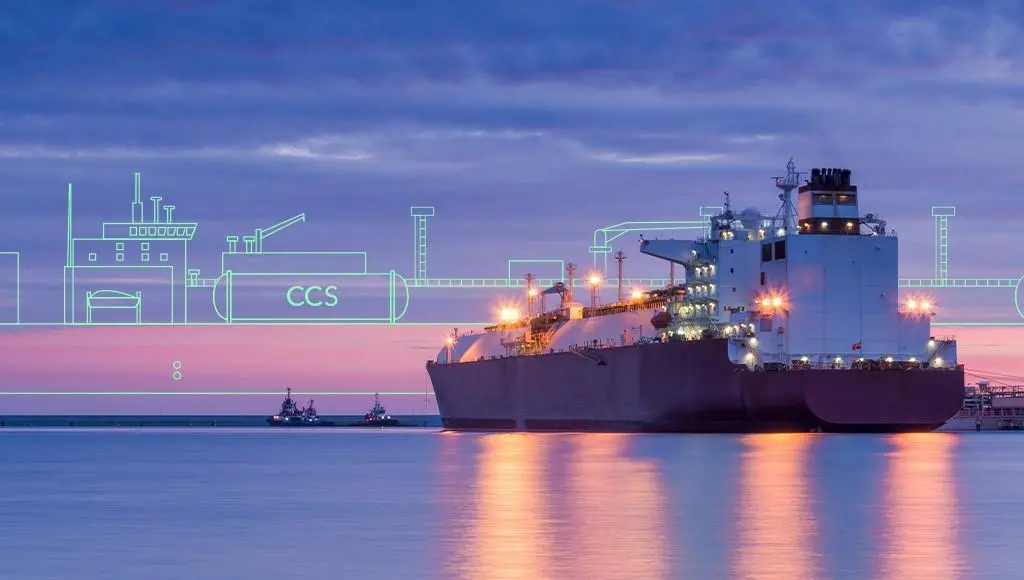
Post-combustion OCCS on board commercial ships is expected to be among future solutions to decarbonise the industry, especially on vessels where the use of alternative fuels is not feasible.
Published in September, the new guidelines are aimed ship designers, builders, OCCS system manufacturers, and ship owners, and apply to both newbuilds and retrofits.
They cover all aspects for safe installation, including exhaust pre-treatment, absorption with the use of chemicals/amines, after-treatment systems, liquefaction processes, CO2 storage, and transfer systems.
The guidelines also cover alternative solutions for carbon capture, including physical absorption and cryogenic methods.
“While CCS technology is already known in land-based industry, its application on board ships is relatively unproven,” said Chara Georgopoulou, head of maritime R&D and advisory Greece, senior research engineer II, onboard CCS manager.
“Our guidelines provide a framework for installation, offering support for stakeholders in the industry, while contributing to reducing emissions and driving the maritime industry towards a more sustainable future.”
There are currently no statutory regulations addressing the possible safety implications of using OCCS systems on board ships, says DNV.
While the guidelines are based on DNV classification requirements, other requirements may be imposed by flag-state administrations.
Related Articles
 CARBON CAPTURE
 CARBON CAPTURE
 ALTERNATIVE FUELS & LUBRICANTS