



DNV to lead Singapore ammonia bunkering safety study
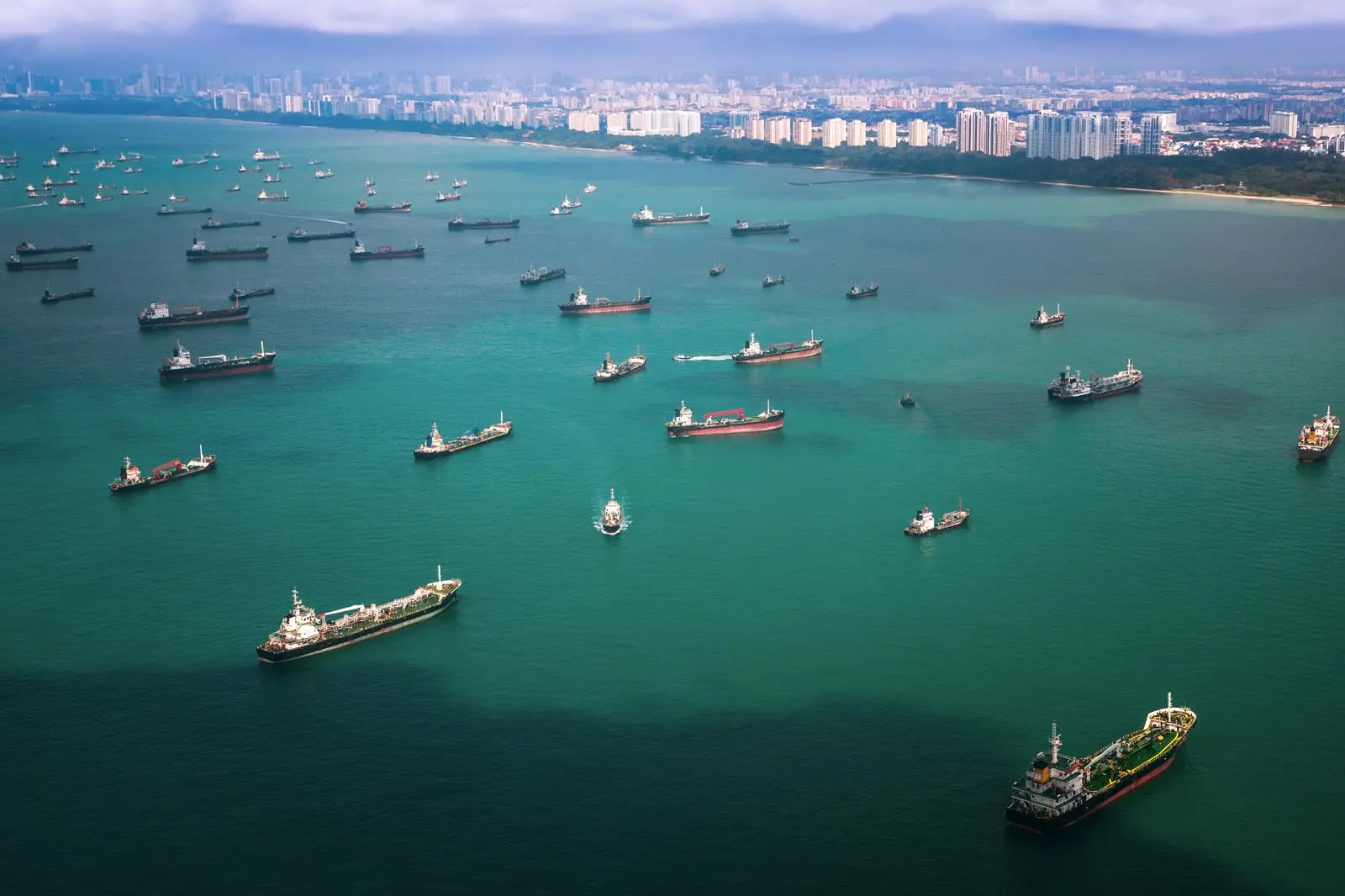
The study aims to define a robust set of safety guidelines and operational envelopes that will establish the basis of a regulation for ammonia bunkering trials at two local sites.
DNV will partner with infrastructure developer Surbana Jurong and the Singapore Maritime Academy. DNV’s work scope will comprise ammonia demand forecasting, bunkering site recommendations, the development of conceptual designs of bunkering modes like truck to ship or ship to ship, HAZID/HAZOP/QRA studies, as well as drafting of technical and operational guidelines.
While ammonia is one the most promising fuels to decarbonize shipping, DNV research shows that a number of safety gaps hold the potential to disrupt the speed and success of the transition. “The safe handling of ammonia is one such gap which urgently needs to be closed, given the threat it poses to seafarers and ships unless properly managed,” said Knut Ørbeck-Nilssen, CEO of DNV Maritime.
DNV’s “Fuel ready” notation was launched as an industry first in April 2021 by Höegh Autoliners in their new series of car carriers. DNV says its “Gas fuelled ammonia” rules provide a practical path for shipowners looking to move towards a full zero-carbon fuel option with their next newbuilding.
DNV has awarded several Approvals in Principle for ammonia fuelled ship designs, while also cooperating with engine maker MAN Energy Solutions on the safe development of a 2-stroke ammonia engine intended to be market-ready in 2024.
According to its recent Maritime Forecast to 2050, DNV expects there will be demonstration projects for onboard use of ammonia by 2025, paving the way for zero-carbon ships ready for commercial use by 2030. While the future fuel mix will be broad, DNV predicts that both ammonia and bio-based methanol are the most promising carbon-neutral fuels in the long run.
Related Articles
 ALTERNATIVE FUELS & LUBRICANTS
 ALTERNATIVE FUELS & LUBRICANTS
 ALTERNATIVE FUELS & LUBRICANTS