



EMSA reports on biofuels and ammonia
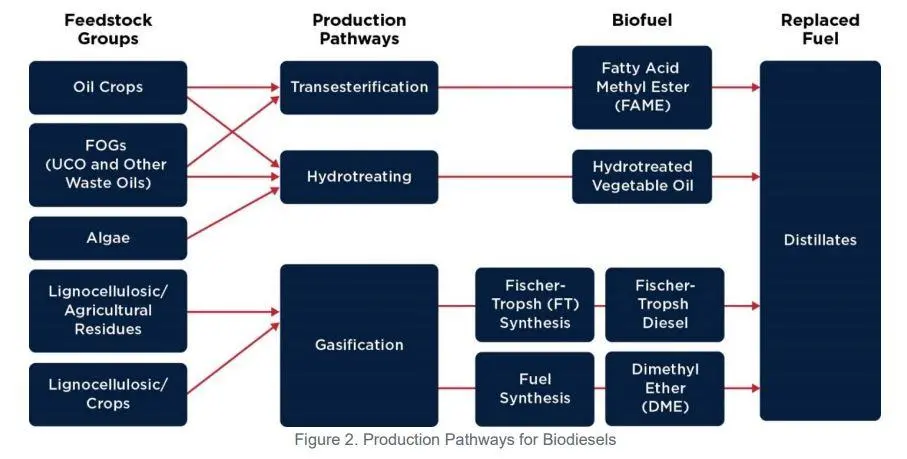
The biofuels report examines the full range of biofuels, both liquid and gaseous, from the perspective of current production capacity, storage-and-distribution infrastructure and power-generation technologies. It also features techno-economic analyses and includes risk-based case studies to evaluate their potential for the maritime sector.
Biofuels potentially offer medium and long-term marine fuel alternatives that can enter the market relatively quickly. They also offer the potential, if sustainability criteria are met, to reduce carbon output compared to traditional carbon-based fossil fuels.
While the current use of biofuels in marine-engine applications is very limited, (the IMO 2020 Data Collection System (DCS) indicated that 99.91% of marine fuel use remained from carbon-based conventional fuels) there is significant potential for biofuels to capture a larger share of the total maritime fuel consumption and support the EU and IMO’s GHG-reduction ambitions for the maritime industry.
Meanwhile, ammonia has been identified as a potential long-term fuel that could enter the market relatively quickly and offer a zero, or a near-zero, carbon solution (on a tank-to-wake basis and in some cases on a well-to-wake basis) irrespective of the origin of the fuel.
While there is little recent marine experience with using ammonia as a fuel and engines are still under development, the IGC Code along with extensive land-based experience and experience with the carriage of ammonia in liquefied-gas carriers provide some of the statutory requirements to guide its application on ammonia-fuelled ships.
The green production of ammonia – relying on green energy or carbon-free feedstocks for natural gas – could reduce GHG emissions by as much as 91% on a well-to-wake basis, since the main contribution to the emissions comes from production (well-to-tank). When compared to traditional marine fuels such as VLSFO and MGO, the total GHG emissions would be reduced by about 85% if green ammonia is used. Other emissions such as sulphur dioxide, carbon monoxide, heavy metals, particulate matter and polycyclic aromatic hydrocarbons (PAH) are also reduced substantially (in some cases to virtually zero).
However, particular attention needs to be paid to potential presence of ammonia slip, N2O or NOx emissions, due to the imperfect combustion of ammonia and the use of pilot fuels. Also, the toxicity challenges and related risks are significant and, while manageable, they will add complexity to ship designs and will potentially limit the ships for which it is a suitable fuel. Ammonia ultimately may prove to be a more appropriate solution for deep-sea cargo ships rather than short-sea, passenger or inland waterway craft.
Related Articles
 AMMONIA
 AMMONIA
 AMMONIA