



Estuaries vulnerable to ammonia spills
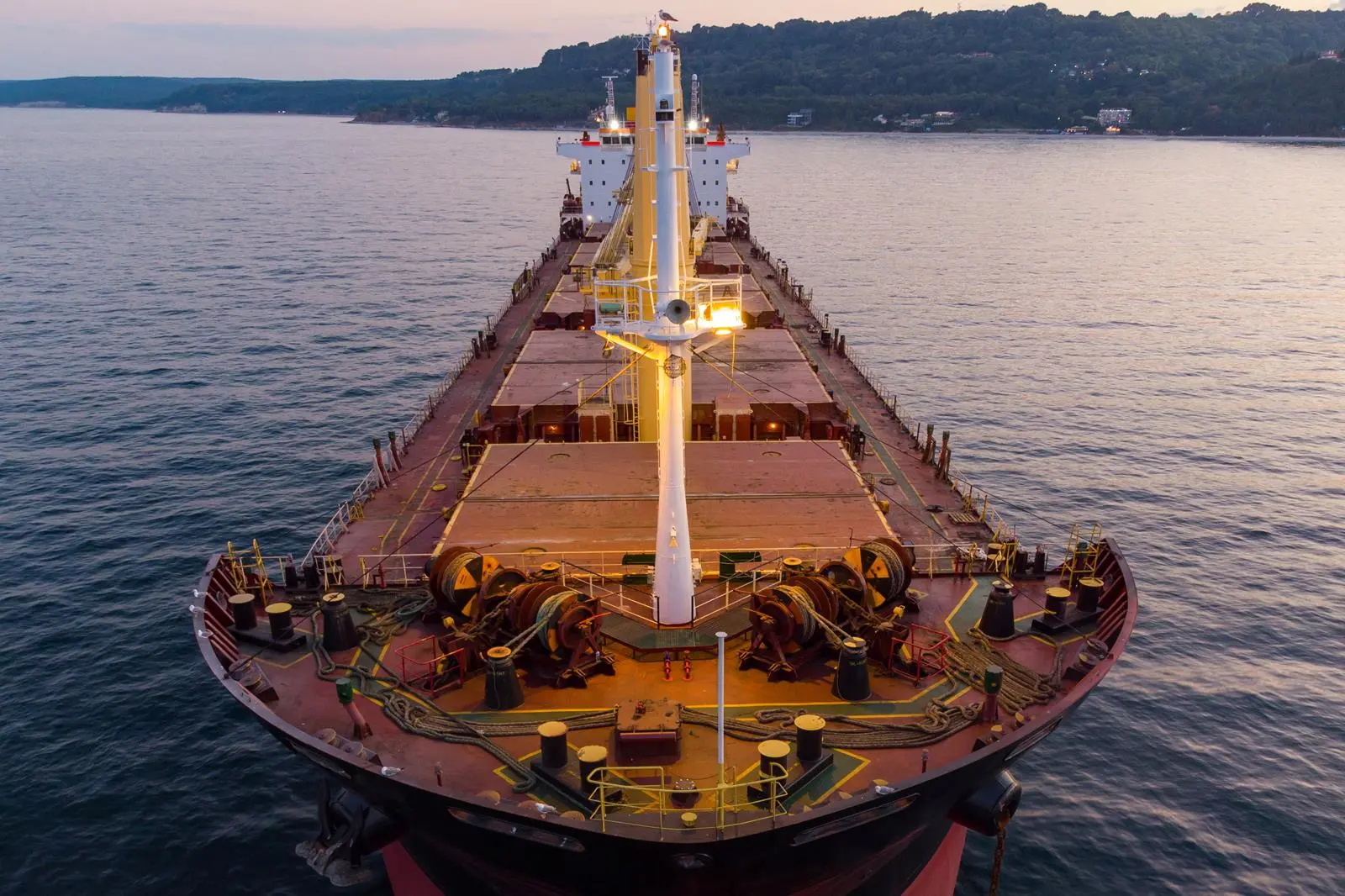
The study found that estuaries, mangroves and wetlands are particularly sensitive to potential ammonia fuel spills compared to the polar regions and the deep sea. Within these habitats, it is typically fish which are most sensitive to an ammonia spill, with birds and mammals to a lesser degree.
The results were then compared to previously studied habitat and species sensitivity to conventional oil-based fuels. Overall, an ammonia spill has a relatively smaller dispersion distance and lower persistence within the environment when compared to heavy fuel oil and marine gas oil.
Existing reports show that oil-based fuels have higher impacts on invertebrates and birds, compared with ammonia. Ammonia has a medium impact on all other ecological receptors, except bacteria, whereas oil-based fuels have medium impacts on plankton, fish, macrophytes, reptiles and marine mammals.
The study, which used extensive modelling due to the scarcity of real-world data, focuses specifically on the impacts of large ammonia fuel spill scenarios on marine habitats.
Potential effects on aquatic environments and associated ecological receptors were assessed in scenarios if a spill were to occur during bunkering, or in the case of a ship’s collision and sinking. In addition, possible mitigation measures and specific spill management practices for these scenarios were modelled and studied.
The study examined potential ammonia fuel spills during bunkering and collision scenarios, under a variety of conditions, including time of day, temperature, humidity and solar radiation. The outputs were tested across eight habitats (rivers, estuaries, wetlands, coastal waters, coral reefs, mangroves, polar regions and the deep sea) using multiple ecological receptors (bacteria, plankton, macrophytes, invertebrates, fish, birds, reptiles, and marine mammals).
Lauren Dawson, Senior Consultant, Water and Environment Practice, Ricardo, said: “Ultimately, what we found is that ammonia is more threatening to fish species, and particularly to ecosystems with less saline water and higher temperatures. It is therefore important to study the impact of ammonia carefully for particular regions where these habitats intersect with major shipping channels and ports, such as the Strait of Malacca. The findings of the report provide an excellent step forward to delivering a baseline upon which future assessments can be refined.”
This study presents a first look at ammonia’s potential ecological impacts as a fuel. The partners say that further research is needed to evaluate the full range of ecological and health implications (especially to a ship’s crew) of ammonia, including the increased nitrogen deposition from chronic ammonia leakage and combustion by-products to determine its safety.
The report is available here.
Related Articles
 AMMONIA
 AMMONIA
 AMMONIA