



EU announces draft FuelEU Maritime deal
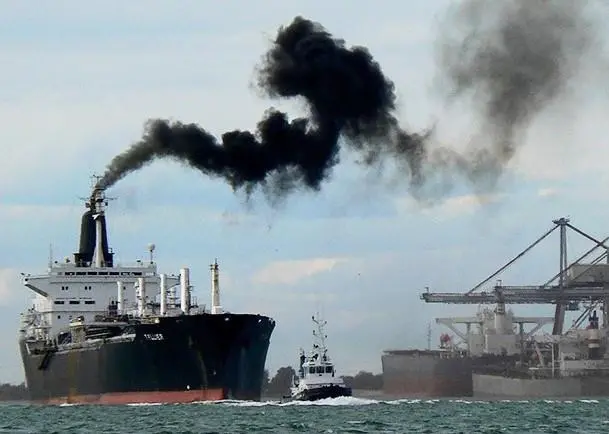
The ‘FuelEU Maritime – Green European Maritime Space’ initiative was originally included in the European Commission’s 2020 work programme as part of its European Green Deal strategy.
When it was announced, it was expected to “focus on ramping-up the production, deployment and uptake of sustainable alternative marine fuels.” It was also intended to support “the European Green Deal’s ambition of regulating access of the most polluting ships to EU ports and obliging docked ships to drastically reduce their emissions, including through using shore-side electricity.”
The provisional agreement announced by the European Commission today retains the requirement that containerships and passenger vessels will be required to use onshore power supply (OPS) or zero-emission technologies to reduce emissions while at berth.
The OPS requirements will be introduced at the core ports within the EU’s TEN-T network by 2030, and extended to other inland and seaports within the EU by 2035.
However, the agreement has resolved inconsistencies between earlier drafts of the FuelEU Maritime proposals and other elements of the EU’s Fit for 55 policy agenda by clarifying that both the OPS and zero-emission technologies provisions should be coherent with the Alternative Fuel Infrastructure Regulation (AFIR).
A key objective of the FuelEU Maritime initiative, as a key part of the EU’s Fit for 55 package, is to increase the demand for and consistent use of renewable and low-carbon fuels.
The draft regulations have introducing measures to encourage the use of the so-called renewable fuels of non biological origin (RFNBO). This is understood to use a multiplier mechanism to drive demand for e-fuels, which will in turn incentivise the production and hence the availability of e-fuels.
This multiplier will be phased out gradually, with the reduction targets for the greenhouse gas intensity of energy used on board by ships set to be raised from 1 January 2035.
The Motorship notes that such measures would encourage early adopters to operate vessels on alternative fuels, such as ammonia and methanol, which would also create stable sources of demand for fuel producers intending to ramp up alternative fuel production.
Danish Shipping noted that the final agreement includes a requirement that the regulations will introduce a 2% e-fuel minimum requirement by 2034 if the industry has not already started using at least 1% e-fuel by 2030.
The regulations have been delayed by discussions over a number of important details, including exclusions for geographically remote or small island states, amid fears that higher transportation costs could impose additional costs on the population.
Related Articles
 ALTERNATIVE FUELS & LUBRICANTS
 ALTERNATIVE FUELS & LUBRICANTS
 ALTERNATIVE FUELS & LUBRICANTS