



Evolution in cold water
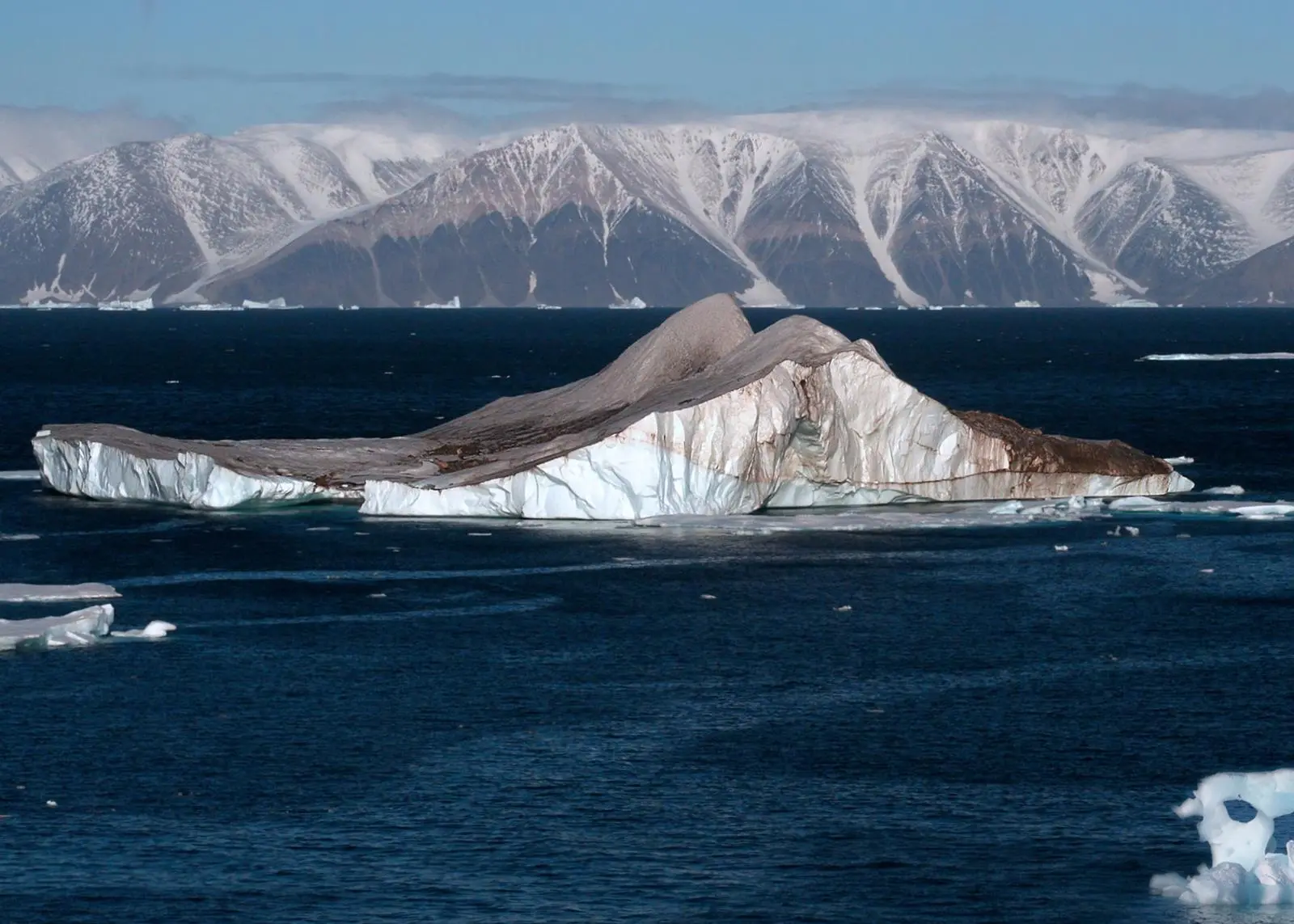
The arctic is set to become a focus for oil & gas exploration, and the change in arena will, says Gisbert de Jong of Bureau Veritas, result in an evolution of specific ice-class support vessels.
While operations will need heavy duty icebreakers to assist the exploration vessels, they simply can’t do it all by themselves and it can’t be avoided that their services are sometimes in short supply. Further, visiting tankers may also need assistance, as they are generally of a lower ice class and might not be able to take on a transit unassisted.
“So, it makes sense to use high ice-class OSVs that can operate as independently as possible, and even occasionally help other vessels,” says Mr de Jong. Captain Duke Snider, CEO of Martech Polar Consulting explains that the necessary capability will “drive up the game across the board” leading to a rise, not just hull strength, but also sheer power for all concerned.
Further, since drill ships may well face seasonal issues there are questions to answer about how you deal with heavy sea ice or icebergs floating towards you: you have a couple of options. The first is to move the drill ship and return when it’s passed. Certainly that is the only option with the large ice floes which can be truly massive – for example, there is a 270sq km piece of ice that’s just calved from the Pine Island Glacier (PIG). The ability of the high North to produce such scenarios does mean a number of support vessels are needed on hand to tow any drilling units right away from the danger zone – although there is usually quite a lot of warning with this scale of event. However, lesser icebergs can still present a big challenge and the ice itself can be as hard as concrete.
Capt Snider points out that although sea ice is regularly broken up into manageable chunks by an icebreaker, this action is virtually impossible due on icebergs to their density and strength. Glacial ice (icebergs, bergy bits and growlers) are either avoided completely or if small enough maybe towed clear of a drill platform.
But this ‘towing away’ option, says Mr de Jong may itself be challenging. Even if it is of the right scale for such a manoeuvre, you have to get a tow line onto it which is itself is problematic, “after all, you don’t have anyone to catch the rope”. Certainly it’s going to be a whole new challenge for the coming breed of ice-class OSVs to consider.
However he believes that subsea processing will become more and more interesting as if all the equipment is underwater, you don’t have to worry too much about the ice. So, instead of fuel supply and anchor handling, the vessels in the support role will edge further into being subsea construction and maintenance vessels, more able to handle large modules with large knuckleboom cranes and A frames, big moonpools and towers, alongside a greater personnel requirement.
Obviously this means more vessels with more and larger equipment, and it could get expensive. However, Mr de Jong says: “One way to keep the costs down is not to build just one, but to build ten or even 20 on the same multipurpose design platform, with all the fittings ready to be connected, for example, the foundation for deepwater cranes already in place.” He adds if this sounds familiar, it is: it’s already a trend you can see in other deepwater locations, with companies like Bourbon taking advantage of the flexibility this gives.
Related Articles
 PROPULSION
 GENERAL NEWS
 HYDROGEN