



Fjord1 to operate four autonomous ferries on domestic service
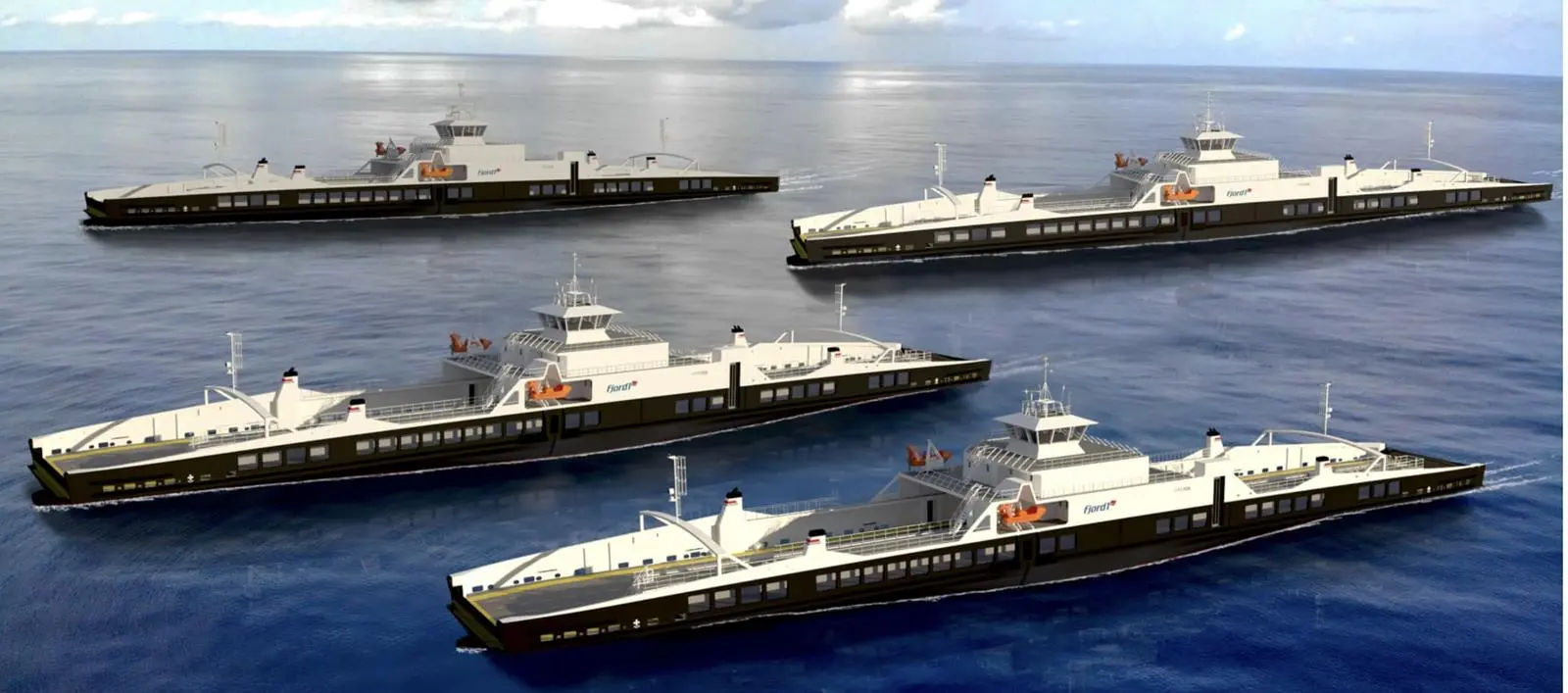
The four vessels, which will have a length of 120 m, will be able to carry 399 passengers and 120 cars and they will be built at the Tersan shipyard in Türkiye. All four ferries are scheduled for delivery in the first half of 2026 and the contract to operate them will take effect on 1 September.
The contract covers eight years from 2026 and it includes an option to extend it by a further three years. A total of 23 different functions will be automated from 2027, starting with docking and undocking and later on, including autonomous navigation. The crossing on which the vessels will operate is 5.6 km and it will take 20 minutes.
The ferries have been designed by Fosnavag based HAV Design, which has so far designed 18 electric ferries for Fjord1, including the now ordered ships. The autonomous ferries differ from other vessels HAV Design has produced for Fjord1 in that the systems onboard must be simpler, so that they can be easily monitored and controlled from a station ashore, said Jan Magne Goksøyr, Vice President Sales at HAV Design.
Autonomous but not unmanned
“It is important too note that these vessels will be autonomous, but they will not be unmanned. The Norwegian flag has made no openings for carrying passengers on an unmanned vessel. The captain can lean back, but he cannot leave the ship, Goksøyr told The Motor Ship.
Norway has been a leader in the development of electric ferries and as the country has lots of green hydro power and several domestic ferry services, there are good prospects for future orders for electric ferries in the country. As batteries get smaller and smarter, the outlook for these vessels is encouraging elsewhere as well, provided that the electricity they use has been provided from green sources, Goksøyr pointed out.
The Tersan Shipyard that will build the four Fjord1 ferries has also built the four 15,800 gross ton ferries that Havila Kystruten operates on the long coastal run between Bergen and Kirkenes along the west coast of Norway.
In December 2023, Tersan bought the Havyard Leirvik Shipyard in. Norway in a move that it said would strengthen its position in northern Europe. “We have already been collaborating with Havyard Leirvik on project base cases, although such collaboration had been only to some extent it has always worked well and showed promising signs for a potential more expanded partnership,” said Ahmet Paksu, vice chairman of the Tersan board, in a statement.
“By combining our expertise and resources with those of Havyard Leirvik Shipyard, we are confident that we will be able to achieve our long-term goals and strengthen our position in the global shipbuilding industry,” he concluded.
Related Articles
 BATTERIES, SUPERCAPACITORS, FUEL CELLS AND OTHER ENERGY STORAGE TECHNOLOGY
 BATTERY HYBRIDS & FULL-ELECTRIC VESSELS
 BATTERY HYBRIDS & FULL-ELECTRIC VESSELS