



FuelEU Maritime rune reading
The rules themselves are likely to achieve their primary objective of encouraging the early adoption of sustainable alternative marine fuels into the market, which is intended to support the development of the EU’s domestic alternative fuels infrastructure.
The introduction of the multiplier mechanism to drive early adoption demand for alternative fuels represents an elegant solution to the challenge of creating demand, which in turn incentivise the production and hence the availability of e-fuels.
Subsequently, the rules are expected to expect to foster the development of equivalent to 2% of fuel consumption by 2035, at which point the reduction targets for the greenhouse gas intensity of energy used on board by ships will be raised.
The maritime sector is being asked to play a major role in the introduction of alternative fuels into Europe’s supply chain, acting as some of the first stable sources of demand, which will give European fuel suppliers the certainty to develop supply.
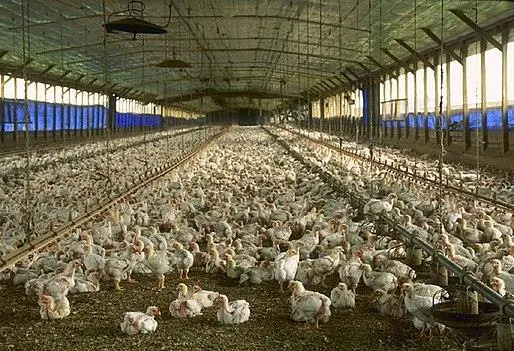
The creation of stable reliable demand will then allow alternative fuel suppliers to overcome the myriad technical and economic challenges that introducing alternative fuel supplies will entail – and Say’s Law will then begin to apply as expanding supply begins to create its own demand. Or to put it another way, the chicken and the egg problem is skirted by funding a poultry farm.
For operators in Europe’s short-sea sector who do not have the appetite or means to invest in offtake agreements with green methanol suppliers, the shortage of commercially available methanol for bunkering remains a key constraint to investment decisions, as Pat Wheater hears in this month’s issue.
Wider issues around the emergence of low-cost sources of renewable e-fuel supply in the US incentivised by provisions of President Biden’s blockbusting Inflation Reduction Act mean that European subsidies to operators to expand alternative fuel consumption may end up funding the most competitive renewable fuel plants on the cost curve. In other words, the supply that may be created may be located in Texas or even in Oman and Saudi Arabia. Investments of close to USD30bn into export-oriented green ammonia plants in the latter two have been announced within the last two months.
Nor is the only area where US regulations are likely to have a wider impact on the market. We note that the California Air Resources Board (CARB) proposal has completed consultation on the introduction of OPS requirements for terminals serving the oil tanker segment between 2025 and 2027.
I hope that you find something to interest you in this month’s issue, which also looks ahead to upcoming discussions about the inclusion of carbon capture technology into CII rules, and includes a interesting article on a potential nanotechnology advance that will improve the efficiency of reduction in EGR units.
Related Articles
 ALTERNATIVE FUELS & LUBRICANTS
 ALTERNATIVE FUELS & LUBRICANTS
 OPINION