



Global S-100 sea trials begin
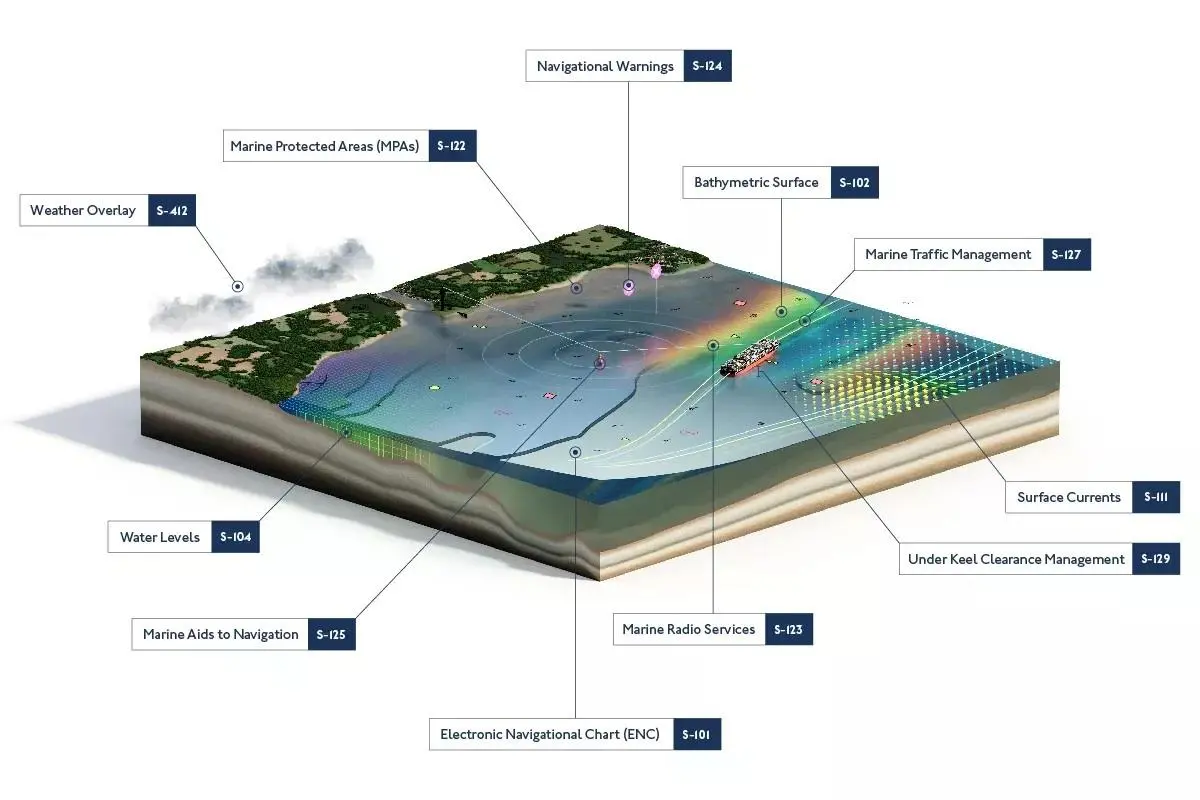
The international sea trials, conducted under the International Hydrographic Organisation’s test bed framework, aim to find out how well six interoperable S-100 data layers perform when used together on modern bridge systems.
“These are the most comprehensive S-100 sea trials to date,” said Tom Mellor, head of technical partnerships at the UKHO. “Direct engagement with end users will tell us what works, what doesn’t, and what needs refining.”
Rather than a controlled laboratory exercise, the programme places new dual-fuel ECDIS units, capable of handling both S-57 and S-100 charts, on board ferries, defence vessels and commercial ships.
Manufacturers such as Raymarine, Furuno, Navtor and OSI Marine Systems are taking part, giving testers a clear view of how different systems interpret the same data.
Since August 2025, UKHO teams have been working with Raymarine and DFDS to run S-100-enabled navigation aboard the Stena Vinga on the Portsmouth–Jersey route, supported by fresh bathymetric data from both ports.
An early 2026 leg from St. Helier to Saint-Malo – chosen for its tight tidal windows and cross-border complexity – will test how two national hydrographic offices compile and align their data.
“The lessons learned from these trials will form a significant contribution to S-100 readiness,” said Nathalie Leidinger, head of Geospatial Product and Services Program. “We are committed to transparency and making all trial data widely accessible.”
Industry participants expect practical gains too. DFDS sustainability lead Sofie Lindegaard said enhanced data ‘has the potential to optimise navigation, reduce fuel consumption and support biodiversity-aware decisions’, whilst Raymarine’s general manager, Grégoire Outters, added that the trials mark ‘a critical stage in the development of maritime navigation’, helping ensure future systems deliver ‘clarity and interoperability’ for crews worldwide.
Related Articles
 ENERGY SAVING DEVICES
 LNG
LNG
 ALTERNATIVE FUELS & LUBRICANTS