



‘Green’ additive or lethal pollutant?
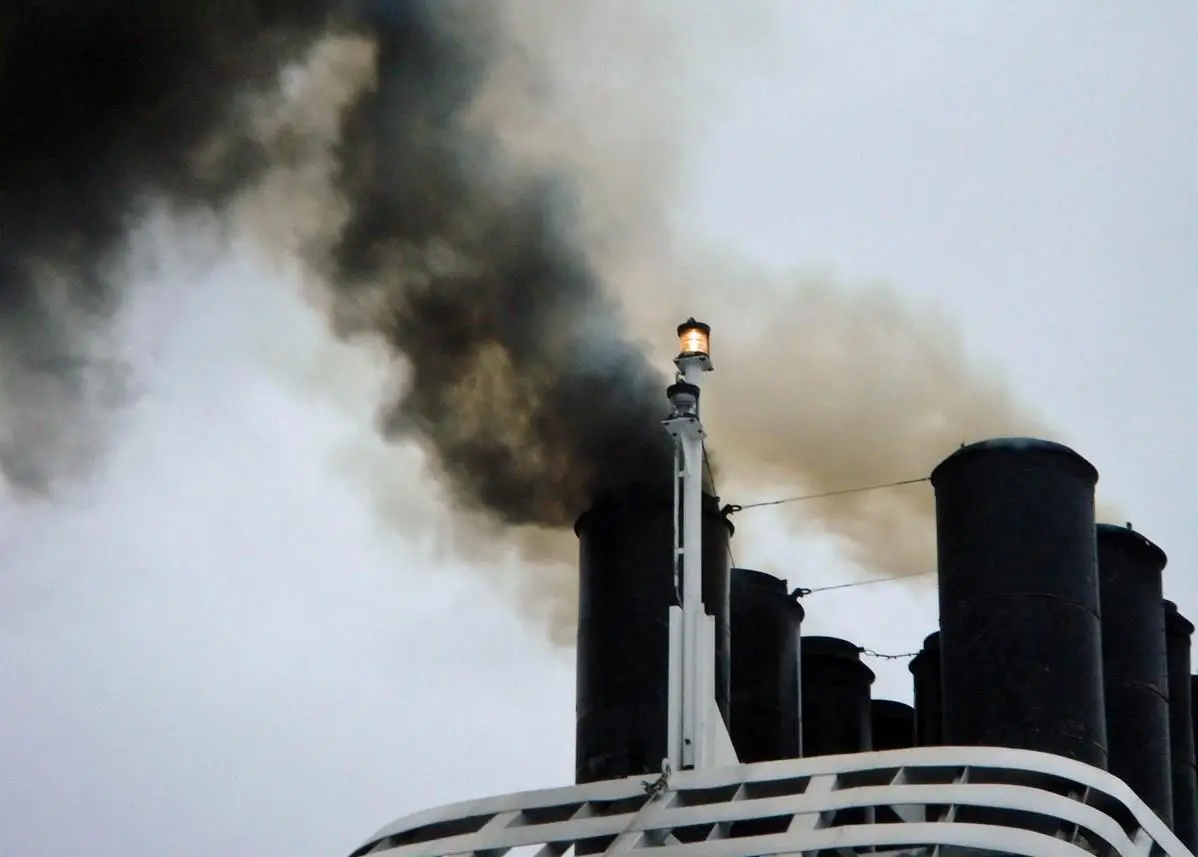
The substance was eventually identified as PIB (polyisobutene), and described as an additive for oils used in ship engines. Because wildlife was harmed, the predictable outcry ensued, with calls for PIB to be banned, and requests to the IMO to outlaw its use.
If these implications are correct, it looks like yet another instance of an apparent contradiction in ‘green’ credentials, i.e. an additive to make engines run more efficiently, with lower levels of sulphur in the fuel, and thus reducing harmful emissions to the air is proving to be, in itself, harmful.
But things are not that simple. Although PIB is recognised as being ‘sticky’, and thus dangerous to sea birds, affecting the waterproof coating on their feathers, it is not actually toxic. The UK’s Maritime and Coastguard Agency says that discharge of PIB into the sea – unlike many other substances – is legal, though it accepts that the recent pollution is probably a result of a much larger discharge than would be legally permitted.
And far from being a toxic substance used in ship engines, as many of the reports infer, PIB is a widely-used industrial homopolymer. It is an essential ingredient in butyl rubber. Among its common applications are the manufacture of chewing gum and cosmetics – hardly suitable uses for a ‘harmful’ substance. Its cosmetic use is mostly as an emollient in skin care products, such as hydrating creams, after shave balms, antiperspirants, sunscreens, lipsticks and baby care creams.
Its use as a fuel and oil additive is equally innocent – even beneficial. When added to fuel oils, it cuts fouling of injectors, helping to reduce emissions of particulate matter. In lubricating oil it can act as a thickening agent, and is employed to reduce the generation of hazardous oil mist.
PIB is even used to clean up waterborne oil spills. It is a constituent of commercial anti-pollution products which rely on their PIB content to reduce an oil slick’s viscoelasticity, enabling oil spills to be safely vacuumed off the water surface.
For an innocuous, and useful, product, and the ship machinery in which it is sometimes employed, to be labelled as a ‘killer’ looks like yet another hysterical “let’s blame ships’ engines for polluting the sea and the atmosphere” reaction. The last instance of PIB pollution off the UK coast was apparently traced to illegal washing of cargo tanks. If the media wants to pin the blame on shipping then this seems a rather more likely scenario than the alleged throwing away a large amount of useful, and beneficial, engine oil additive.
Related Articles
 ALTERNATIVE FUELS & LUBRICANTS
 ALTERNATIVE FUELS & LUBRICANTS
 OPINION