



H2SITE expands into Norway with ammonia-to-hydrogen tech
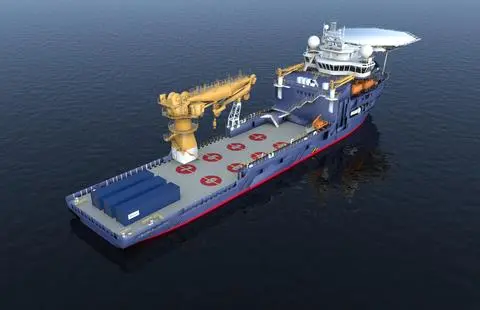
H2SITE Norway is based in Bergen and is intended to strengthen the company’s engagement with shipowners, shipyards and offshore stakeholders seeking practical zero-emissions solutions.
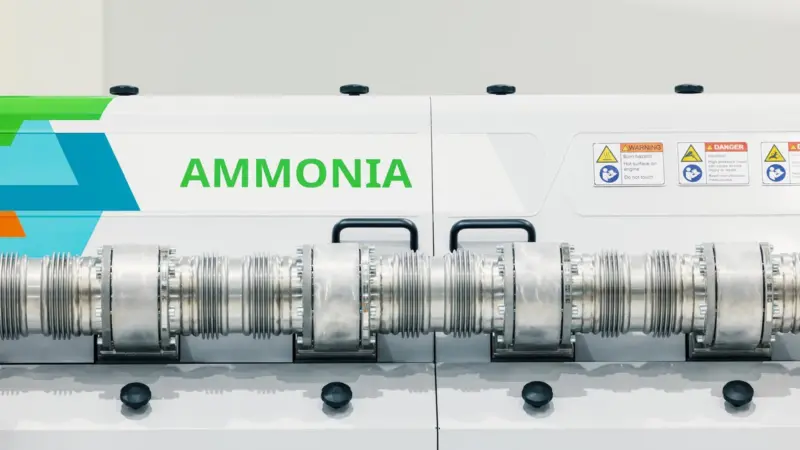
H2SITE itself is headquartered in Bilbao, where its core technology is designed and manufactured. From its industrial facility in Loiu, the company produces palladium-alloy membranes that are integrated into reactor systems capable of converting hydrogen carriers back into high-purity hydrogen. For maritime use, H2SITE has developed ammonia cracking systems that can supply hydrogen directly to fuel cells or be blended into engines, addressing key requirements around reliability, system integration and fuel logistics.
Norway has been identified as a strategic location due to its strong maritime heritage, clear climate ambitions and pragmatic approach to innovation. The country is already assessing ammonia use onboard vessels in commercial operations and H2SITE believes a local presence will allow its systems to be adapted to real vessel profiles and operating conditions in close cooperation with industry partners.
The company said the decision to invest now is driven by risk management considerations. It argues that the commercial and regulatory risks of delaying decarbonisation now outweigh the risks associated with adopting new technologies, with ammonia offering a credible pathway to zero-emissions vessels when combined with efficient onboard conversion systems. Regulatory measures such as FuelEU Maritime and the EU Emissions Trading System are also increasingly shaping investment decisions.
H2SITE Norway has been established at a point where the technology is already validated and the focus has shifted to implementation. Since 2023, the company has built and operated ammonia crackers for more than 6,000 hours, including extended continuous operation in relevant environments. It has also participated in maritime-focused projects examining integration with both fuel cells and engines and has scaled manufacturing capacity to support early commercial projects.
The next phase will focus on pilot and demonstration projects that deploy systems in real operating environments, enabling operational data to be gathered and solutions refined in collaboration with the Norwegian maritime industry. “The technology is proven; the priority now is implementation of the product and operational learning,” said Tomás Crespo, maritime business development manager at H2SITE Norway. “We are looking to work with Norwegian shipowners and shipyards that want to take a measured, forward-looking approach to decarbonisation.”
Related Articles
 AMMONIA
 AMMONIA
 AMMONIA