



Houlder’s engineering mastery

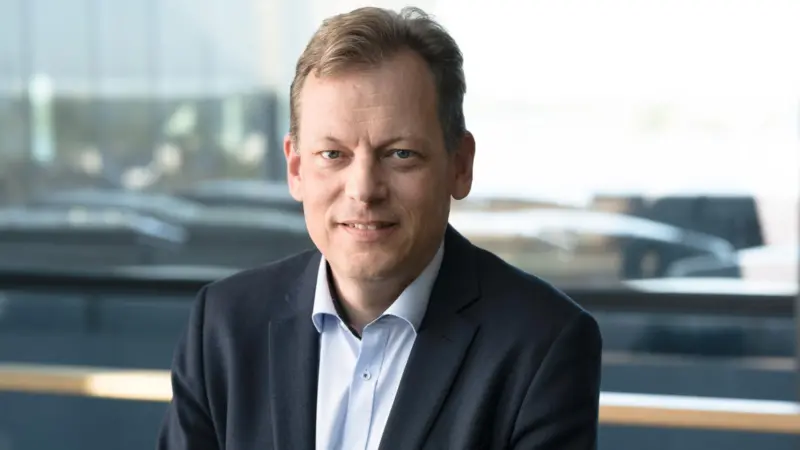
Jonathan Strachan (pictured) joined Houlder in 2013 as a project director, having previously held various roles at maritime heavyweights including Lloyd’s Register (LR) and Carnival. On working for a class society and a shipowner, he says while LR makes sure the rules are applied and the statutory regulations abided by, alternatively “a shipowners focus [Carnival] is more on making sure that what it says in the spec is actually delivered, and making sure that what it says in the spec will do what you need it to do commercially.” Having seen the maritime industry from these alternate viewpoints is a surely a boon when it comes to the world of design and engineering.
The Houlder name has a rich history in shipping dating back over 150 years to a previous incarnation Houlder Brother Shipping Line. Today’s Houlder diversified from its oil and gas roots put down in the 1970s and early successes include winning a contract for the design and build contract of six RoRo vessels that formed the UK Ministry of Defence Strategic Sealift Service worth over £1 billion.
The company’s therefore been around in one form or another since the 1860s, which is similar to one of its clients, German engineering giant Siemens. In 2016 Houlder was the first UK company to be awarded a contract working on offshore wind farms, in this case on the Siemens project, Galloper. The contract covered the design of blade rack, tower and nacelle fastenings to be used during the transport of Siemens 6MW turbines to the project site. The contract was a success and opened the door for Houlder to be involved with other projects in the sector. “It gave us a really good insight into all the various components for the wind turbine generators, the transition, the monopiles and so on,” recalls Strachen. Given the size of the parts used in offshore wind farms, each blade has a length in excess of a football field for example, the transport of said components is an engineering feat in itself and Houlder was on hand to provide the technical expertise needed.
Innovation, IP and partners
Emanating from the company’s work for Siemens on the Galloper project came the development of the pile prop, in conjunction with another engineer, procurement and construction (EPC) player Caley. This is a specialised device used to temporarily stabilise and position a monopile (the main foundation pile for an offshore wind turbine) during installation, providing localised rigidity and preventing unwanted movement before the final grouting process secures it into the seabed.
These innovations reveal a characteristic about Houlder, this is its ability to partner with others in the pursuit of solutions. “We tend to work with clients who are developing their own tools and IP,” says Strachen. Another example would be the company’s work with SenseWind Technology, a wind power installation firm. This collaboration saw Houlder aid with the developing of a “crawler”, a device that walks up a turbine thereby negating the need for additional cranes during the installation process.
Ahead of the curve
One area that has hit the news recently but Houlder was involved in two years ago is the development of liquid hydrogen carriers. For this endeavour the company was in partnership with energy major Shell and Houston, Texas-based EPC player CB&I. Strachan, speaking at the time, described the project as “very cool” adding drolly “both literally and metaphorically” in reference to hydrogen’s liquid state being at -253 degrees centigrade (only a few degrees above absolute zero). The concept received an AiP from DNV for the design of a liquid hydrogen cargo containment system. Houlder had also worked with Shell on hydrogen containment systems and carried out a ship piping and instrumentation review for ships carrying hydrogen as a cargo or as a fuel.
When it comes to what sets Houlder apart from other design and engineering companies, Strachan looks to home, this being Houlder’s Optimisation and Modelling Environment (HOME). This is the company’s in-house R&D technology which allows it, for example, to plot how a vessel will perform using fundamental naval architecture or physics when energy saving measures have been applied. “It allows owners to make informed decisions about what is a good option for them,” says Strachan about the department.
Given the tsunami of regulation hitting the shipping sector at the moment, Houlder has incorporated that into its forecasts and plans going forward. “Working on incorporating all available regulations, chart when the time certain fuels are going to make sense and working with clients to work out when certain fuels will be available and where,” says Strachan. This ethos may please shipowners looking to navigate FuelEU Maritime, a regulation which began its punitive measures to reduce emissions on 1 January this year.
But looking to future fuels to remain compliant is a costly solution and with the well-to-wake methodology being imposed by more regulators, even prima facie “green” fuels like methanol may come unstuck by the probing of the EU’s team of fuel verifiers. Houlder has released research into one tactic employed by fleets to increase fuel efficiency and thereby reduce emissions, slow steaming, which can be read here. Strachan talks about another area the company has been looking at to increase fuel efficiency and thereby reduce emissions. This is decreasing a ships resistance to waves in various sea-states, or COMLink.
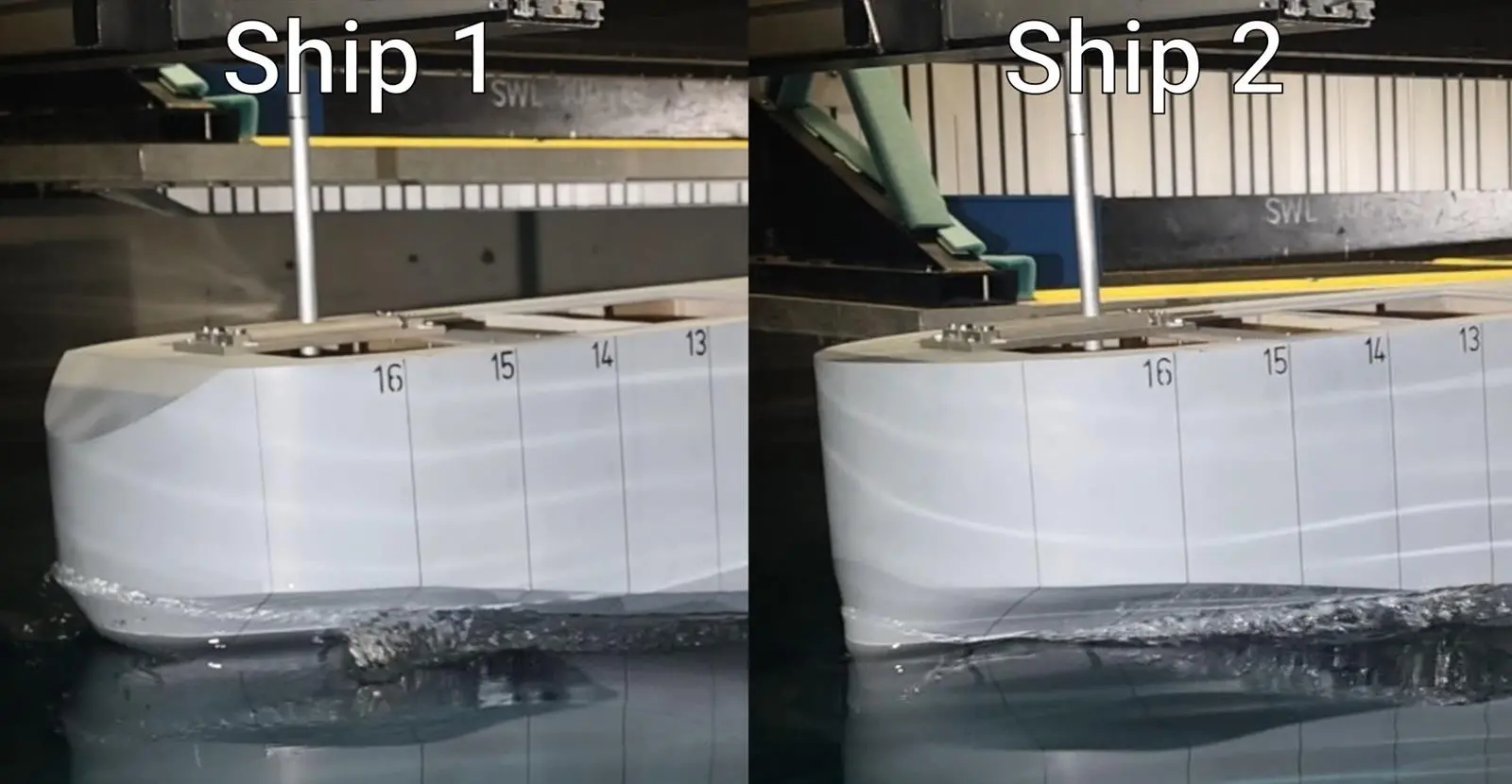
The company’s COMLink project, in collaboration with Southampton University and Siem Car Carriers, is looking at changes made in the design stage of a ship using models incorporating CFD and other computer-based aids to decrease the resistance to waves of a vessel. Or put simply, understanding how hull design parameters influence added power in waves. Strachan says this is an area that has not been looked at before and given the “relatively low cost” he predicts shipowners would have to incur with a newbuild to incorporate these measures, could be a crucial initiative for maritime.
With its roots in the oil and gas industry of the 1970s but today with a command of a multitude of sectors, Houlder continues to push the boundaries of naval engineering. Its commitment to innovation, collaboration, and sustainability ensures it remains at the forefront of the maritime industry’s evolution. Whether through pioneering offshore wind solutions, advancing hydrogen transport technology, or optimising vessel efficiency, the company’s expertise positions it as a trusted partner in shaping the future of shipping. With the industry facing increasing regulatory and environmental challenges, Houlder’s ability to anticipate and adapt to these changes will undoubtedly keep it ahead of the curve for years to come.
Related Articles
 INTERVIEWS
 CONVENTIONAL FUELS & OILS
 GENERAL NEWS