



Hydrogen powered ferry project
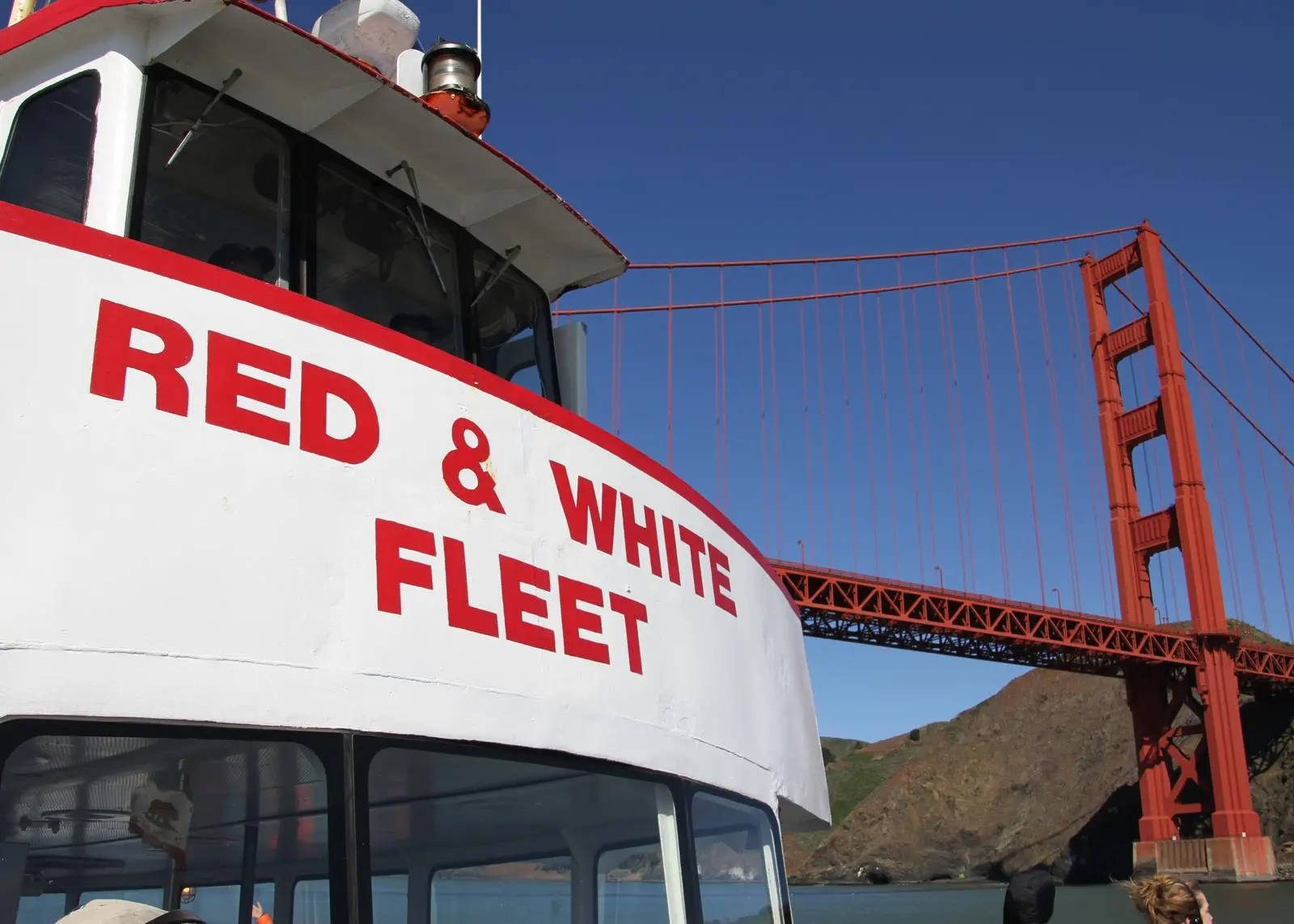
The San Francisco Bay Renewable Energy Electric vessel with Zero Emissions (SF-BREEZE) project includes plans for the world’s largest hydrogen refuelling station which will serve fuel cell electric cars, buses and fleet vehicles, in addition to the ferry and other maritime vehicles.
The US Department of Transportation’s Maritime Administration (MARAD) is currently funding a feasibility study to examine the technical, regulatory and economic aspects of the project.
Sandia is leading the study in partnership with Red and White Fleet, the American Bureau of Shipping, the US Coast Guard and naval architect Elliott Bay Design Group. Other contributors include the California Environmental Protection Agency’s Air Resources Board.
A new high-speed passenger ferry would use about 1,000 kilograms of hydrogen per days so the refuelling station would need to have a capacity of 1,500 kilograms a day — about twice the size of the largest hydrogen refuelling station in the world.
But Sandia can draw on its considerable expertise in developing hydrogen fuelling stations. It leads the Maritime Fuel Cell project, which is piloting the use of a hydrogen fuel cell to power refrigerated containers on land and on transport barges at the Port of Honolulu.
If the feasibility study indicates that SF-BREEZE could succeed technically, economically and within regulations, the next step is to design the vessel and then seek additional funding, resources and partners.
Hydrogen fuel cells have several advantages over the diesel engines that power most passenger ferries including no harmful exhaust emissions, higher energy efficiency, quiet operation and no risk of fuel spills.
Related Articles
 ALTERNATIVE FUELS & LUBRICANTS
 FUELS & LUBRICANTS