



Is ammonia gaining traction as a marine fuel?
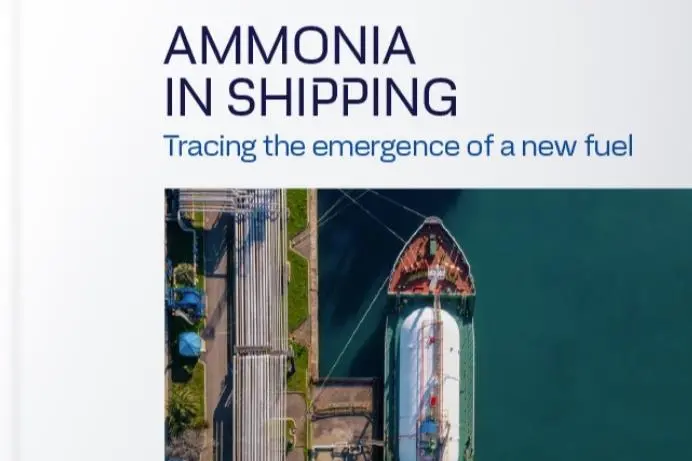
The report, Ammonia in Shipping: Tracing the Emergence of a New Fuel, highlights how ammonia-powered vessels have moved from concept to early-stage deployment in just five years.
It outlines a two-phase pathway for adoption: A pioneering fleet supported by limited fuel bunkering hubs, followed by global scale-up with International Maritime Organization (IMO) regulations and widespread infrastructure.
“The groundwork for ammonia as a fuel is being laid and the orderbook proves it’s no longer just a theoretical fuel,” said Knut Ørbeck-Nilssen, CEO of DNV Maritime.
“Ammonia’s toxicity and high cost remain a challenge. With targeted financial support, infrastructure investment and robust fuel safety regulations, we can progress.”
Commercial readiness
According to DNV, 39 ammonia-fuelled vessels are currently on order and the first bunkering trials have already taken place in Singapore and Rotterdam.
Safety frameworks have also evolved, with the IMO issuing interim guidelines and classification societies updating their rules annually.
The whitepaper reveals that global production of blue and green ammonia could rise to 14 million tonnes per annum by 2030, but current supply remains limited.
Linda Hammer, principal consultant at DNV and lead author of the report, emphasised that scaling up use of ammonia as ship fuel requires a framework of standardised solutions that can be easily adopted across the industry.
“The current risk-based approval framework must be replaced by prescriptive regulations mandated by the IGF Code, production needs to be increased and more ports must be able to supply green and blue ammonia – requiring harmonisation of port safety standards and dissemination of lessons learned,” she said.
She also pointed out that standardised training is essential to ensure sufficient competent crew going forward.
Related Articles
 AMMONIA
 AMMONIA
 AMMONIA