



Joined up thinking on methanol storage
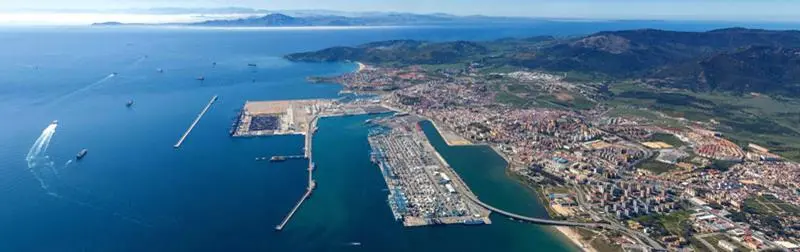
The agreement will enable the storage of green methanol to be produced by Cepsa at Evos’ storage facilities in Algeciras and Rotterdam and will facilitate the logistics for the transport of green hydrogen products between Spain and the Netherlands.
“Through strategic partnerships, Cepsa is building a network of green molecule supply stretching from Spain to northern Europe,” said Maarten Wetselaar, CEO, Cepsa.
”Last year, we announced the development of one of the largest green methanol projects in Europe as part of our Andalusian Green Hydrogen Valley, and this new partnership provides us with the end-to-end solution to bring these green molecules to our customers in Northwest Europe as we support decarbonization efforts across the continent.”
Better connections
Cepsa and Evos said they will also jointly study logistics for biofuels, renewable fuel from non-biological origin and hydrogen carriers, such as Liquid Organic Hydrogen Carriers (LOHCs) in other terminals of the Evos network in Northwest Europe, including Amsterdam.
Cepsa is developing alongside partners the Andalusian Green Hydrogen Valley that which will entail two green hydrogen plants with a total capacity of 2GW, a green methanol plant that aims to reach an estimated annual production capacity of 300,000 tonnes and a green ammonia plant with an annual production capacity of up to 750,000 tonnes.
In addition, Cepsa has started building a second-generation biofuels plant in Huelva as part of a joint venture with bio-oils that will create the largest facility of its kind in southern Europe with the capacity to flexibly produce 500,000 tons of Sustainable Aviation Fuel (SAF) and renewable diesel annually.
Cepsa already has a partnership with the Port of Rotterdam to establish a green hydrogen corridor from the Port of Algeciras and also has agreements with ACE Terminal for the storage of green ammonia at the Port of Rotterdam and with Dutch company Gasunie that guarantees access to its green hydrogen transport network, which will connect with European industrial clusters in the Netherlands, Germany and Belgium as part of the Delta Corridor project.
Meanwhile, Evos is enhancing its strategic presence in the ‘green import corridors’ of Northwest Europe, focusing on the storage and handling of green hydrogen derivatives and renewable fuels.
In Spain, it’s progressing the expansion of its Algeciras terminal as a renewable export hub. Across all Evos terminals, infrastructure for green bunker fuels, such as green Ammonia and green methanol, is undergoing development.
Related Articles
 METHANOL
 METHANOL
 2-STROKE & 4-STROKE