



Keep eye on larger decarbonisation picture, Deltamarin urges
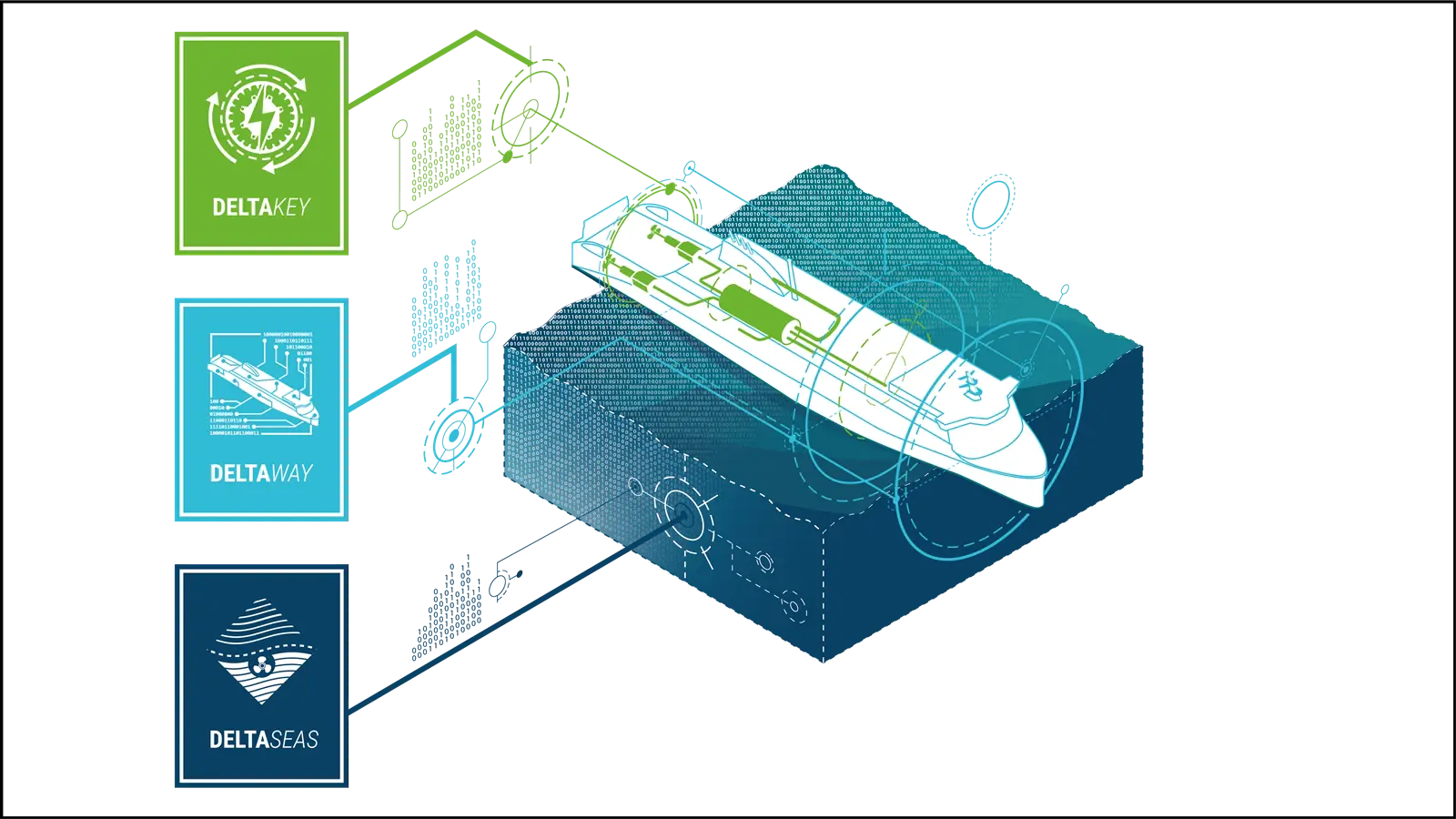
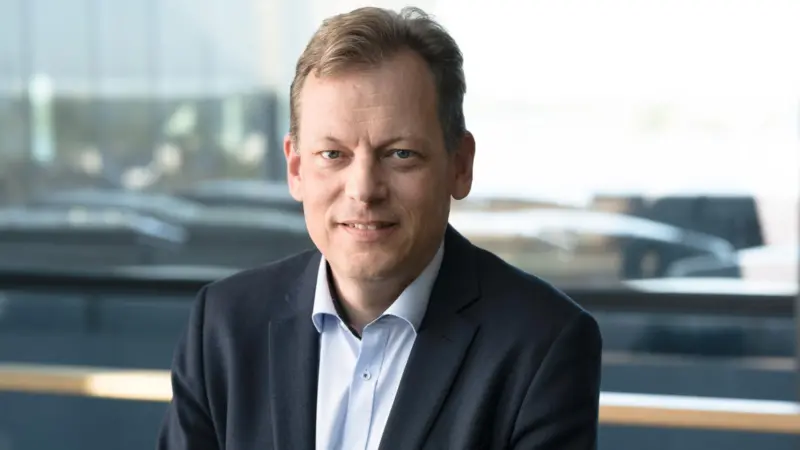
Traditionally, shipowners have tended to wait until shortly before new legislation affecting their ships takes effect, Esa Jokioinen, Sales and Marketing Director of Deltamarin, the Finnish consultant naval architects explains. Once a major owner has decided how to comply, many others have often tended to follow suit. However, Jokioinen says this one-size-fits-all approach is no longer appropriate.
Instead, a much more complex picture has emerged. Each owner will have to think about the specifications of each ship, the trade they are employed on plus a plethora of other considerations, he pointed out.
Owners do face considerable challenges as there will be at least two separate changes, Mia Elg, who is in charge of R&D as well as consulting services, continued. The first one is already taking place: it means thinking of the best solutions to meet the requirements of the Energy Efficiency of Existing Ships (EEXI) and Carbon Intensity Index (CII). At this stage, LNG has emerged as a good transitional option to meet near term requirements.
“But then, at some time in the future, there will be a much greater leap. That will involve a switch to ammonia, hydrogen or carbon neutral fuels. Organisations like the IMO, EU and others will insist on tighter regulation,” she told The Motorship. She added that fuel suppliers and technology developers were already developing solutions to meet future demand.
This is the big picture in which the shipping industry currently is facing, but Elg pointed out that there are no final rules in place to cover the requirements of the big leap at the moment. “During the 20 to 25 year lifespan of a ship now being designed, a transition to a green fuel will take place. The key task for today is to future proof the ship,” she noted.
“Environmental goals affect every newbuilding project today. However, the situation now is very different from the days when sulphur emission legislation was being planned. Then the question was about one issue. Now we are talking about something that we will continue to improve and perfect for the next 50 years,” Jokioinen pointed out.
Fuel will cost more in the future and planned carbon taxes will push its effective c out even higher. This again means that energy saving devices of all kinds will be of interest for shipping.
Concept study stage gains importance
The ship design process itself has changed considerably in the recent past. Traditionally, an owner would present Deltamarin with the rough specifications for a planned newbuilding and the design work would be built around these parameters. However, owners approach the task from the point of view of what task and where a projected vessel should perform. The process becomes much more complex and involves optimisation of technical, commercial and environmental inputs, Elg said.
The importance of data has increased significantly in the past few years and in order to being able to process it to the best advantage of clients, Deltamarin has invested heavily in data processing capacity. The concept study stage has grown in complexity and many calculations require the use of artificial intelligence, allowing human resources to be used for tasks for which they are best suited, Elg continued.
Owners might be unwilling to pay for a more complex concept design stage that comprises analysis of data from commercial, technical and operational aspects of what the projected vessel should do. However, the use of AI means that the cost of such an analysis does not need to increase even if it was more extensive than what an owner is used to, Elg noted.
Bespoke vs off-the-peg
In any case, the times are changing. “The message to the business is clearer. It’s the time to stop copying one another! The package of right solutions is different for each owner and optimisation lies at the heart of it – and the ship itself may not be at the core,” Jokoinen said, noting that the business models of shipping are also under scrutiny as it attempts to reduce its environmental footprint.
Carbon strategy forms part of the business plan of every major shipowner – and of quite a few smaller ones as well. As owners need to look for solutions that meet the requirements of their particular vessel, trading area and a plethora of other considerations, there is a risk that some ships might become stranded assets. Their lifespan may turn out to be shorter than anticipated if they cannot be adopted to match requirements of the future that will retroactively affect all ships.
Both Elg and Jokoinen urge owners not to focus simply on upcoming requirements, such as EEXI and CII, and neglect the likely impact of wider changes on their projected ship. Such an approach would obviously mean that the new ship would pass the known hurdles, but the design would quite likely turn out to be too inflexible to meet the challenges of the future.
Elg pointed out that the work of a naval architect has become much more interesting as the concept stage has become loaded with a far greater number of variables that cover a much wider range of factors than what was the case in the past.
For a company like Deltamarin, this means that data the company has collected e.g. from commercial aspects of ship operations has become an increasingly valuable asset in its toolbox. It is not only the legislators and owners that demand more environmentally friendly ships, the entire supply chain is becoming greener and all members of it are taking a growing interest in the green credentials of shipping.
Mission not impossible
“Shipping accounts for about 3% to 4% of the global greenhouse gas emissions. That’s equal to the emissions of a country like Germany or France,” Jokioinen pointed out, adding that the demands to reduce that will gather momentum in the time to come – and not vice versa.
“Sometimes people say that new legislation and new rules are introduced at a too short notice. But let’s look at the sulphur emission rules: it was known nearly a decade ahead before this actually happened that the rules would change. And then some owners said they are in a hurry to fit scrubbers,” he continued.
“Martin Stopford (of Clarkson Research) has pointed out that it took shipping more than 130 years to go from sail to steam engines and carbon fuels. We now need to get from where we are today to zero emissions in less than half of time. It can be done, it’s not impossible, but of course requires a lot of determination, investment and hard work” Jokioinen concludes.
Related Articles
 INTERVIEWS
 CONVENTIONAL FUELS & OILS
 GENERAL NEWS