



Keeping to schedule
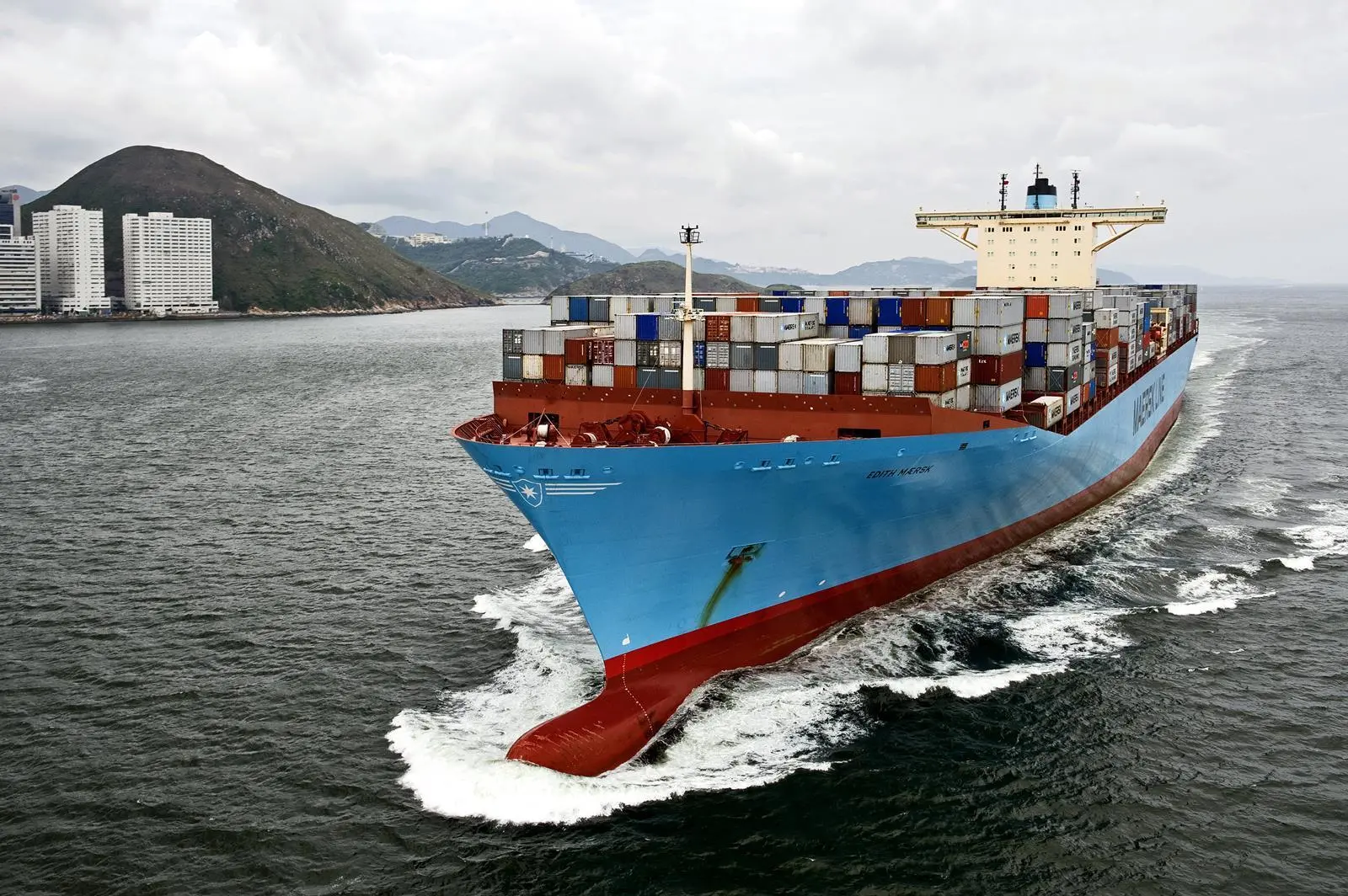
Virtually every form of transport runs to schedules of one sort or another. But with shipping, scheduling can be much more critical than most. The problem with ship schedules has become more acute as ships now carry more high-value and time-critical cargoes, and when carrying passengers keeping to schedule is a vital part of the operation. With the ships now part of a long delivery chain, maintaining schedules creates one of the biggest headaches for both the operations team and ships’ captain.
The scheduling of ships to maintain timetables affect nearly all types of shipping these days although some are more critical than others. A tanker carrying thousands of tonnes of oil is part of a supply chain that has to be maintained to keep refineries supplied. The new generation of LNG ships forms part of an increasingly important supply chain that maintains energy supplies to many countries around the world. The whole ethos of container shipping revolves around maintaining schedules so that goods are delivered on time as promised; in many cases the contents of the containers can form part of a ‘just in time’ supply chain that can have serious repercussions if it is disrupted.
With passenger shipping, the problems of maintaining schedules may be different, but they are no less critical. A ferry service is expected to run on time and may have to maintain connections with other forms of transport. Cruise ships now involve large numbers of people on one ship and if that ship does not arrive in the scheduled port on time then the disruption and logistics of rescheduling can be a nightmare. Such ships may have to reserve a berth well ahead of arrival with little flexibility if the ship’s schedule gets disrupted, and the same applies to many shipping operations in crowded ports or where dedicated berths are required for loading and discharge.
It is the more specialised nature of shipping these days that has emphasised the need for scheduling with the ships and the ports lacking the flexibility to change plans at short notice. Then there is the cost factor – with the value of cargoes running into many millions of dollars and the ships themselves having a very high daily rate, it is important to develop schedules that keep ships fully occupied yet still have some measure of flexibility to cope with the unexpected.
There are two main types of delays that that can affect the schedules of ships: port delays that are largely out of the control of the operators; and weather delays that can be difficult to forecast in the longer term. Port delays such as labour disputes, traffic restrictions and natural disasters can be partially avoided if the ship operator also has control of the terminal itself. This is an increasing trend in many shipping operations. Not only does it allow the operator to avoid costly disputes, but it also gives control over berth allocation so that there can be a greater degree of flexibility.
Weather delays are probably the biggest ‘unknown’ in shipping operations, because shipping tends to operate on routes extending for several days or even weeks, well beyond the scope of accurate weather forecasts. Adverse weather, such as storms, can mean that ships have to reduce speed or divert and this can introduce significant uncertainlty. Adverse weather also puts pressure on the captain of the ship, who has to decide on a safe speed for the conditions – and that means safe for both the ship and its cargo. This question of safe speeds in adverse conditions has become more critical as the speed of ships has increased, with a container ship, for example, being forced to reduce speed in conditions where a slower ship may be able to maintain speed.
The increase in the size of ships has helped to compensate for this to a certain extend with larger ships being able maintain speed in conditions where a smaller ship would have to slow down. Whilst captains may have some guidance about the safe speed in various sea conditions it is still a matter of judgement by the man on the spot as to what constitutes a safe speed. You only know that you have gone too fast in a storm when the damage is done and then it is too late.
Fog presents its own problems for the ship’s captain, particularly on a fast ship. With the sophisticated radars available these days fog presents less of a problem, but to be travelling up the English Channel in a 12,000 TEU container ship doing 24 knots is still a navigational challenge that could go beyond the limits of safe navigation. Again you only know when it is too fast after the collision has occurred.
For cruise shipping, the weather dilemma is also critical and many modern cruise ships are safety-limited by weather conditions. Recent experiences when cruise ships have been at sea in adverse weather trying to maintain schedules have resulted in damage and injury. For the captain of a cruise ship the dilemma of whether to sail or not in adverse weather must be severe.
To a certain extent the problem of scheduling has been resolved by the increasing use of slow steaming to reduce fuel costs. Slow steaming can be acceptable for container shipping in the current low interest rate climate because the cost of extra days is relatively low even for high value cargo. This may apply to the cargo, but additionally the operating costs of the ships have to be taken into account. It can be a delicate balance and Maersk Line, for example, has found that the extra cost of having to add two more ships to its Far East/Europe run to compensate for the ships travelling at a slower speed is worthwhile. The transit time is increased by 20% and this does impact on interest costs relating to the cargo.
Calculation of ost/benefits of slow steaming can be complex, and Mitsui OSK Lines is one operator which has developed a computer program for its ships where all the relevant factors can be taken into account to find the optimum operating speed and the reduction in CO2 emissions. A spokesman commented, “Our ship energy efficiency management plan (SEEMP) provides the most efficient vessel operating method taking into account slow steaming, ocean currents and weather to create optimum route selection for the reduction of carbon dioxide emissions whilst ensuring safe operation and maintaining a strict operating schedule”. IMO has agreed in principle that SEEMP should be a feature of all vessel operations and is likely to move slowly to implementation.
Such a measure can be a great aid to scheduling and it is likely to be adopted for other shipping companies under the IMO initiative. To a certain extent it makes the job of the captain easier because he can assess the possible weather scenarios and the computer calculations will take them into account when optimizing speed and scheduling. Mitsui is claiming that in normal circumstances container shipping schedules can be maintained at around the 97% mark.
Maersk is claiming to be the container line with the highest on time schedules, e.g. in the final quarter of 2010 it maintained an average of 70.2% on time deliveries. A report by Drewy Shipping says that the industry average was only 55% during this same quarter. The Maersk figure includes some partners’ results as well and Maersk claims that for its ships alone, the figure rose to 87.1%. Maersk claims that this is due to the ships’ superior ability to cope with rough weather and the company is now aiming for a 95% reliability rate.
With cruise ships, adverse weather can have a major impact because of the huge number of passengers involved. Recent cases of cruise ships encountering severe weather where passenger injuries and ship damage were reported suggest that there are captains willing to take a chance with the weather in order to maintain schedules. No cruise line would comment on the pressures of keeping to schedule but there is no doubt that this can become a logistical nightmare.
Related Articles
 ALTERNATIVE FUELS & LUBRICANTS
 ALTERNATIVE FUELS & LUBRICANTS
 OPINION