



KR to support development of methanol bunkering in Ulsan
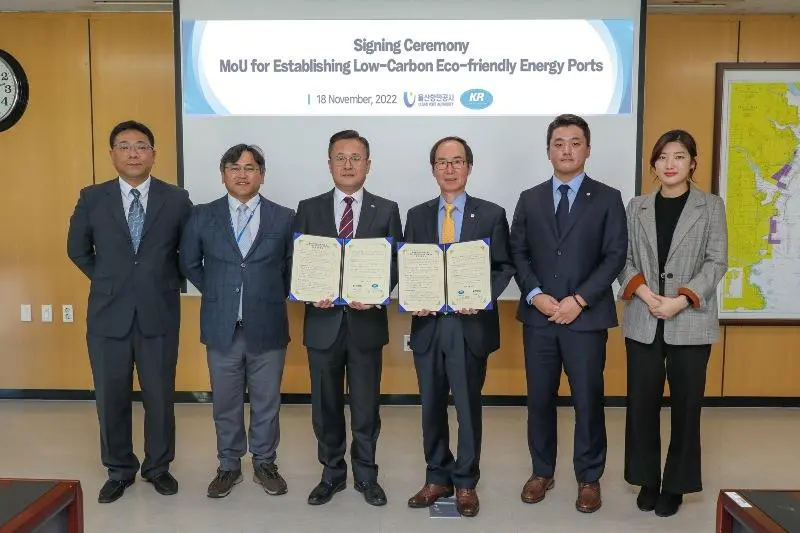
Both organizations will collaborate on regulatory reform, deregulation of methanol-fuelled ships and methanol bunkering, using independent tank terminals in Ulsan as methanol storage facilities, testing methanol bunkering at Ulsan port and building methanol supply infrastructure in Korean ports.
A growing number of dual fuel methanol vessels are being ordered by international shipping companies, and in October South Korean shipping company KSS Marine took delivery of the country’s first methanol powered vessel, MV Savonetta Sun, a 50,000dwt product tanker.
JEONG Chang-gyu, Vice President of UPA, said: “UPA is actively working to make eco-friendly, and low-carbon fuels become more of a universal feature in shipping and port markets. We will support the widespread use of methanol-fuelled ships and methanol bunkering in cooperation with KR using Ulsan port, one of the key energy hubs of North-East Asia.”
In July, KR granted Approval in Principle for a methanol dual fuel 300,000 DWT crude oil carrier. The methanol dual-fuel VLCC, which was developed under a joint project between KR and Hyundai Heavy Industries (HHI), is powered by methanol and marine gas oil (MGO). HHI has developed the vessel so that the methanol fuel tank can be placed in either the open deck or the cargo area and KR has verified the safety and suitability of the vessel’s design, ensuring it complies with domestic and international regulations.
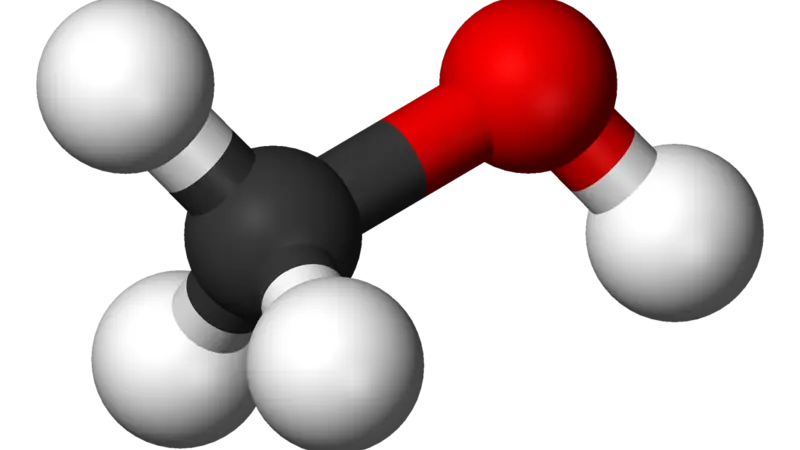
Methanol is considered to possess high potential for commercialisation because it offers fewer technical difficulties than LNG and relatively less toxicity than ammonia. Methanol can be stored in a liquid state at room temperature, making it easier to store and transport compared to LNG, hydrogen and ammonia, which turn into liquid state at 162°C, -253°C, and 34°C respectively.
Also this year, KR published guidelines on the metal materials suitable for use in eco-friendly fuel storage tanks, such as those used for storing LNG, ammonia, methanol and hydrogen.
Related Articles
 METHANOL
 METHANOL
 2-STROKE & 4-STROKE