



Learning from experience
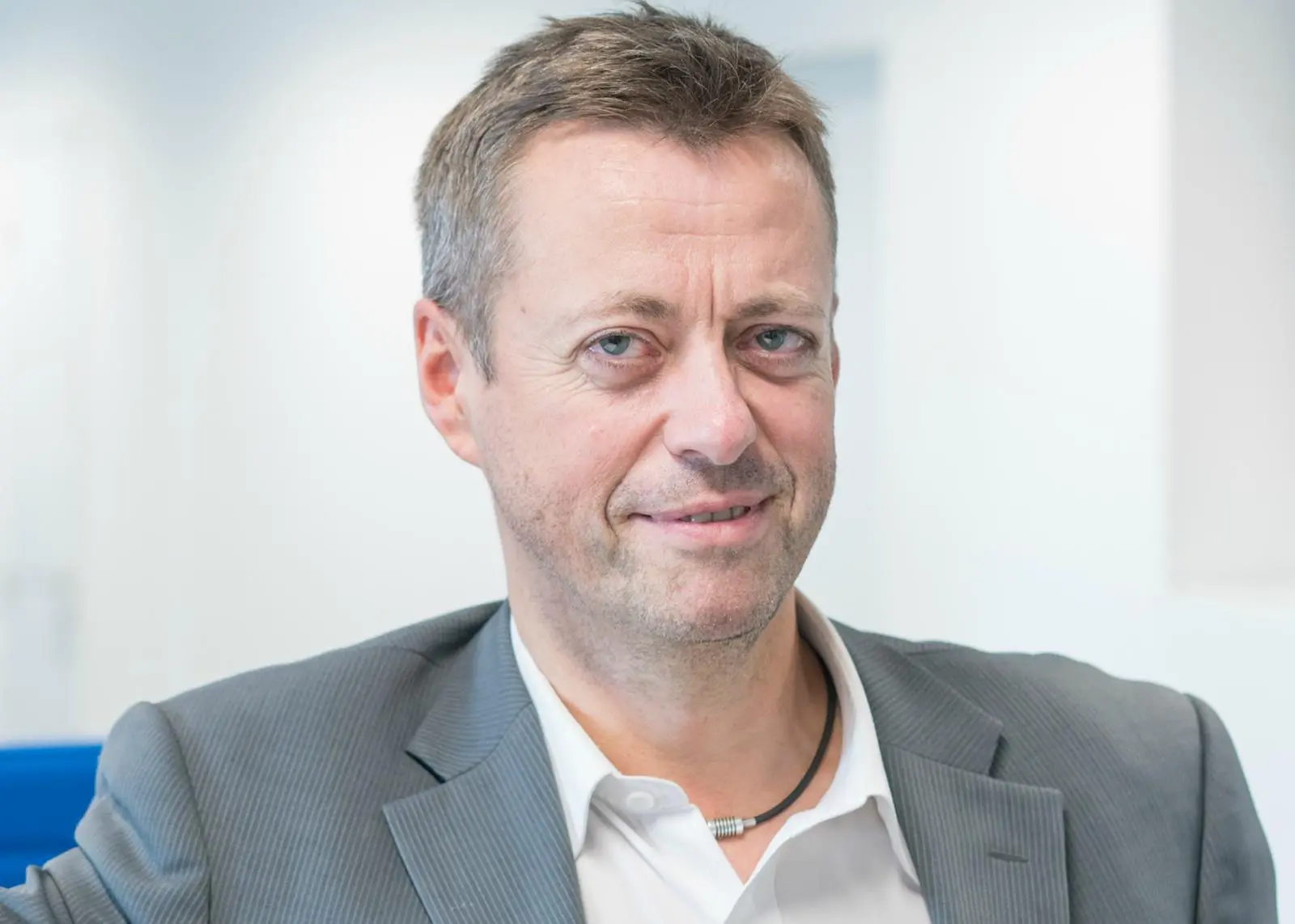
A wide range of alternative fuels are being discussed as potential solutions to the challenge of decarbonising the fleet, ranging from hydrogen and ammonia through to methanol or other fuels, Martial Claudepierre told The Motorship during an interview at Marintec in Shanghai in December.
Some of the discussion around the options has been complicated because the industry has not been specific about the issues. Some of the solutions being discussed are not yet commercially available, while others are not available in sufficient volumes or are not yet economically viable.
This is not to say that some solutions may not be applicable to short-sea vessels operating within one jurisdiction, but the majority of emissions from the shipping industry are produced by the deep-sea fleet. In order to meet this challenge, we need to look at solutions that are applicable to large deep-sea vessels operating under international conventions.
The only game in town
Mr Claudepierre noted that LNG was the best of the current fuels that currently meet the IMO’s global 2020 0.50% sulphur cap targets.
While methane slip has been identified as a potential barrier, engine manufacturers and ship designers are continuing to improve the operational performance of their latest engines.
However, the introduction of LNG has required work to ensure that the fuel is both available and that the costs – both for the fuel and Capex – were acceptable to shipowners.
Looking further ahead, Mr. Claudepierre noted that a number of fuel producers were looking at blending ‘carbon neutral’ synthetic LNG with fossil-fuel LNG to further improve the emissions profile of the fuel.
“I think it would be the pragmatic approach to progressively decarbonise LNG in order to meet 2030 or 2040 targets,” Mr. Claudepierre said.
Duplicating infrastructure
The development of infrastructure in a number of ports has been an achievement for the LNG industry. “The development of LNG as a fuel would have been meaningless without the development of LNG bunkering across the world.”
Mr. Claudepierre noted that the lifespan of existing LNG infrastructure could be extended if LNG production was decarbonised after 2030 or 2040, offering important cost efficiencies compared with new fuels such as hydrogen.
By comparison, the introduction of other alternative fuels would require the development of a worldwide network of ports equipped with the necessary bunkering infrastructure.
It is unfeasible that such a global network could be developed in time for an alternative fuel to be introduced to fuel the deep-sea fleet within the next 15 or 20 years, Mr. Claudepierre noted.
Diverting emissions upstream
Mr. Claudepierre also noted that the industry needs to take a wider view on where emissions are produced during the supply chain. “We should consider how we produce gaseous fuels as well as their operational profiles,” Mr. Claudepierre noted.
There was a risk that other fuels might not actually reduce the overall greenhouse gas emissions produced during the production and consumption of a fuel. Tank-to-propeller models would not identify the emissions generated during the production of ammonia or hydrogen from fossil fuels, for example.
Personal experience
But Mr. Claudepierre also spoke from personal experience when he discussed how the successful introduction of LNG as an established fuel for the maritime sector had required the time-consuming development of expertise across the sector.
“I joined Bureau Veritas’s LNG team in 2013 when we started from scratch, and have worked closely with ship owners, operators, designers and shipyards as well as suppliers since. It has been a long process to develop our expertise in LNG as a fuel, LNG containment technology and so on – safety is our number one priority”.
The process of convincing shipyards and designers to adopt other fuels would be time-consuming and costly, Mr. Claudepierre noted. LNG is likely to remain the most practical option for some time.
Bureau Veritas is heavily engaged in developing equivalent expertise in other alternative fuels and the final decision on which fuel or fuels the industry finally adopts is a choice for the industry itself, Mr. Claudepierre emphasised.
Related Articles
 INTERVIEWS
 CONVENTIONAL FUELS & OILS
 GENERAL NEWS