



Liquid Wind raises €15.2 million
Existing investors Uniper, Alfa Laval, Siemens Energy, Topsoe, Elyse and other shareholders are participating in this round, alongside HyCap Fund I SCSp (“HyCap”) a UK-based hydrogen specialist investment fund. In 2021, Liquid Wind raised EUR 4 million in Series A funding.
Claes Fredriksson, CEO and Founder of Liquid Wind, comments: “We are very excited to receive this latest round of funding from our existing strategic shareholders and HyCap. Their valued support is evidence of the importance and urgency of bringing green electro-fuel to market. Furthermore, it is a confirmation of the trust our partners have in Liquid Wind and our team.”
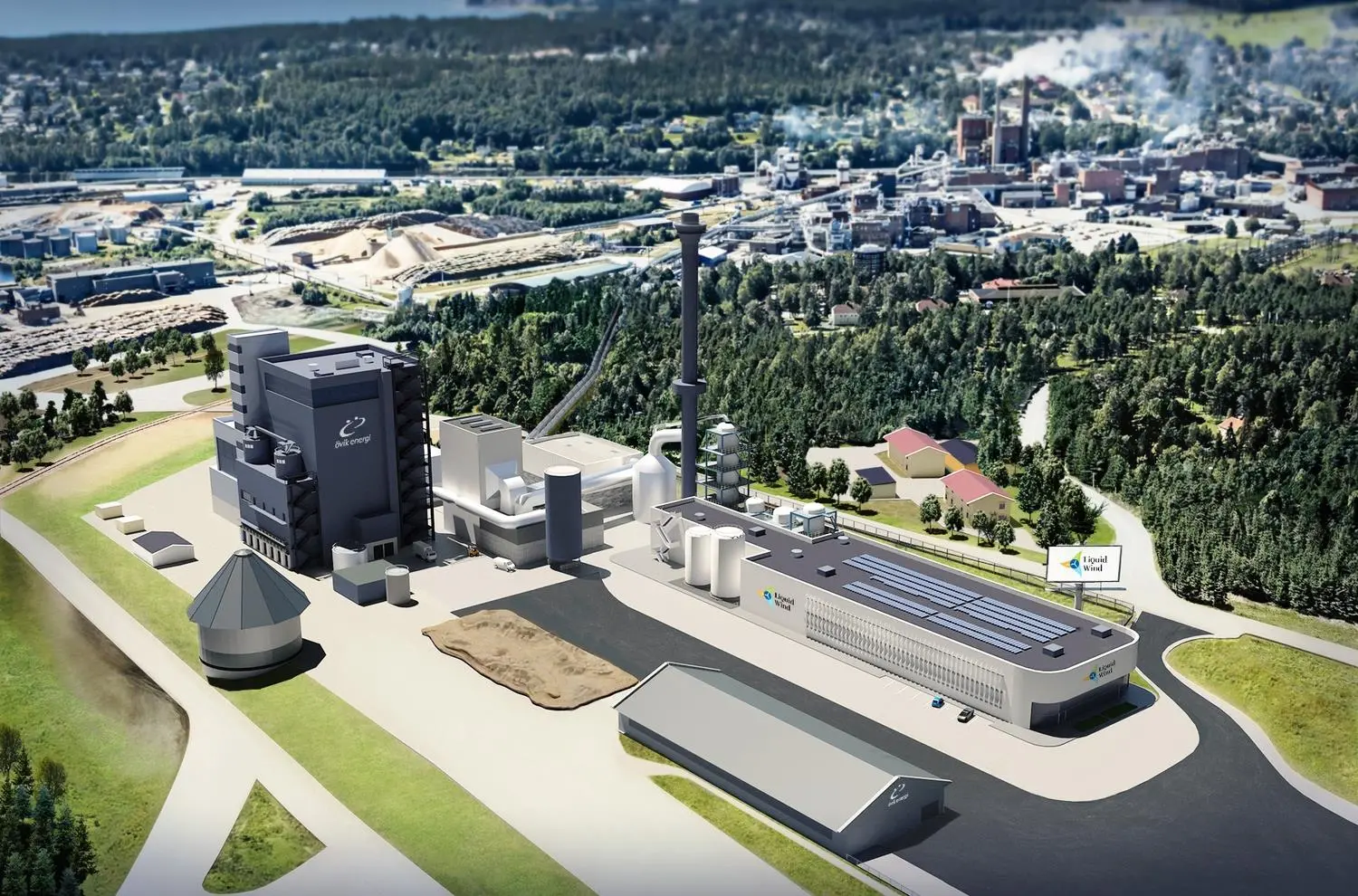
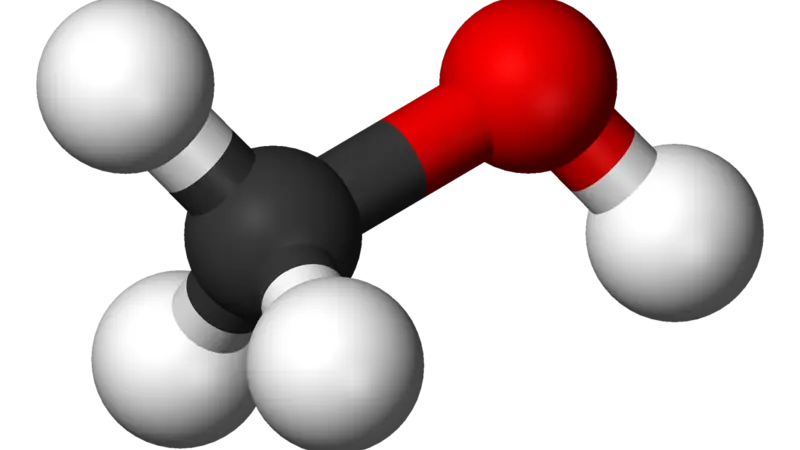
Liquid Wind recently received the environmental permit for FlagshipONE in Örnsköldsvik, which is co-owned with Ørsted. FlagshipONE will be connected to Övik Energi’s combined heat and power (CHP) plant Hörneborgsverket in Örnsköldsvik. The facility will upcycle carbon dioxide and combine it with green hydrogen, produced from renewable electricity and water to generate the green electro-fuel e-methanol. Once operational, the facility will deliver 50,000 tons of renewable and fossil-free fuel for the shipping industry annually, starting in 2024. Stena Line, DFDS, Ørsted are partnering with Ørsted, Liquid Wind and the Port of Gothenburg to establish an e-methanol hub at the port in 2025.
In August this year, Liquid Wind announced that its second facility FlagshipTWO will be developed in Sundsvall, Sweden. Liquid Wind has signed an agreement with Sundsvall Energi for the development of the 100,000 ton electro-fuel facility which will produce e-methanol. Liquid Wind’s facility will be constructed on Sundsvall Energi’s Korstaverket site. Using efficient carbon capture technology, Liquid Wind aims to capture all CO2 emitted from Korstaverket, 240,000 tonnes per year. The two facilities will also be closely integrated to exchange steam, waste heat and other process medias to maximize use of resources.
According to the Maersk Mc-Kinney Møller Center for Zero Carbon Shipping, e-methanol has more manageable handling requirements than other e-fuels and suitable engines are already commercially available.
Related Articles
 METHANOL
 METHANOL
 2-STROKE & 4-STROKE