



LNG leads surge for alternative fuels
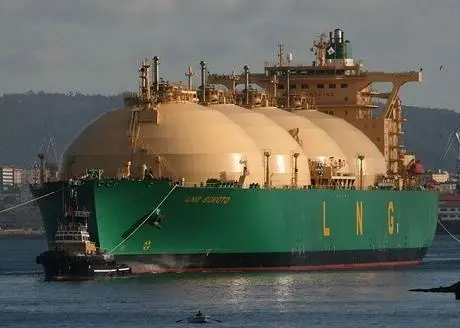
In 2024 the maritime industry saw a significant boost, with 515 alternative-fuel vessels ordered – a 38% year-on-year increase from the previous year.
Knut Ørbeck-Nilssen, chief executive of Maritime at DNV said the figures were encouraging but warned that there is more to be done. “The technological transition is underway, but supply of alternative fuel is still low,” he said.
“As an industry we need to work with fuel suppliers and other stakeholders to ensure that shipping has access to its share of alternative fuels in the future.
“It is also important that the safety of seafarers is ensured as we make this transition. This will require investment in upskilling and training.”
The container and car carrier sectors have been the primary drivers behind this surge, with 69% of all container ship orders in 2024 designed to run on alternative fuels. Together, the container and car carrier segments accounted for 62% of all alternative fuel vessel orders in 2024.
LNG remained the dominant fuel choice for these vessels, comprising 67% of orders and a total of 641 vessels by the end of 2024. This figure is expected to double again by 2030.
While LNG continues to dominate, there has been growing interest in other alternative fuels. Orders for methanol-powered vessels surged, with 166 ships – 32% of the AFI orderbook – committed to this fuel, especially in the container segment.
Meanwhile, ammonia also made significant strides, with 27 orders placed, marking a shift toward diverse fuel solutions as the industry works to reduce greenhouse gas emissions.
“The shifting trends in LNG and methanol orders this year might be due to the slow development of green methanol production,” said Jason Stefanatos, global decarbonisation director at DNV.
“In the long run, green methanol has potential to be part of the energy mix along with ammonia.
“In parallel, LNG offers a vital bridging fuel option benefiting from existing infrastructure and short-term emissions reductions while being capable of acting as a long-term solution as well, assuming renewable natural gas will be available and provided at a competitive price.”
Related Articles
 AMMONIA
 AMMONIA
 AMMONIA