



LNGameChanger: New CO2 capture initiative aims to transform LNG-fuelled shipping
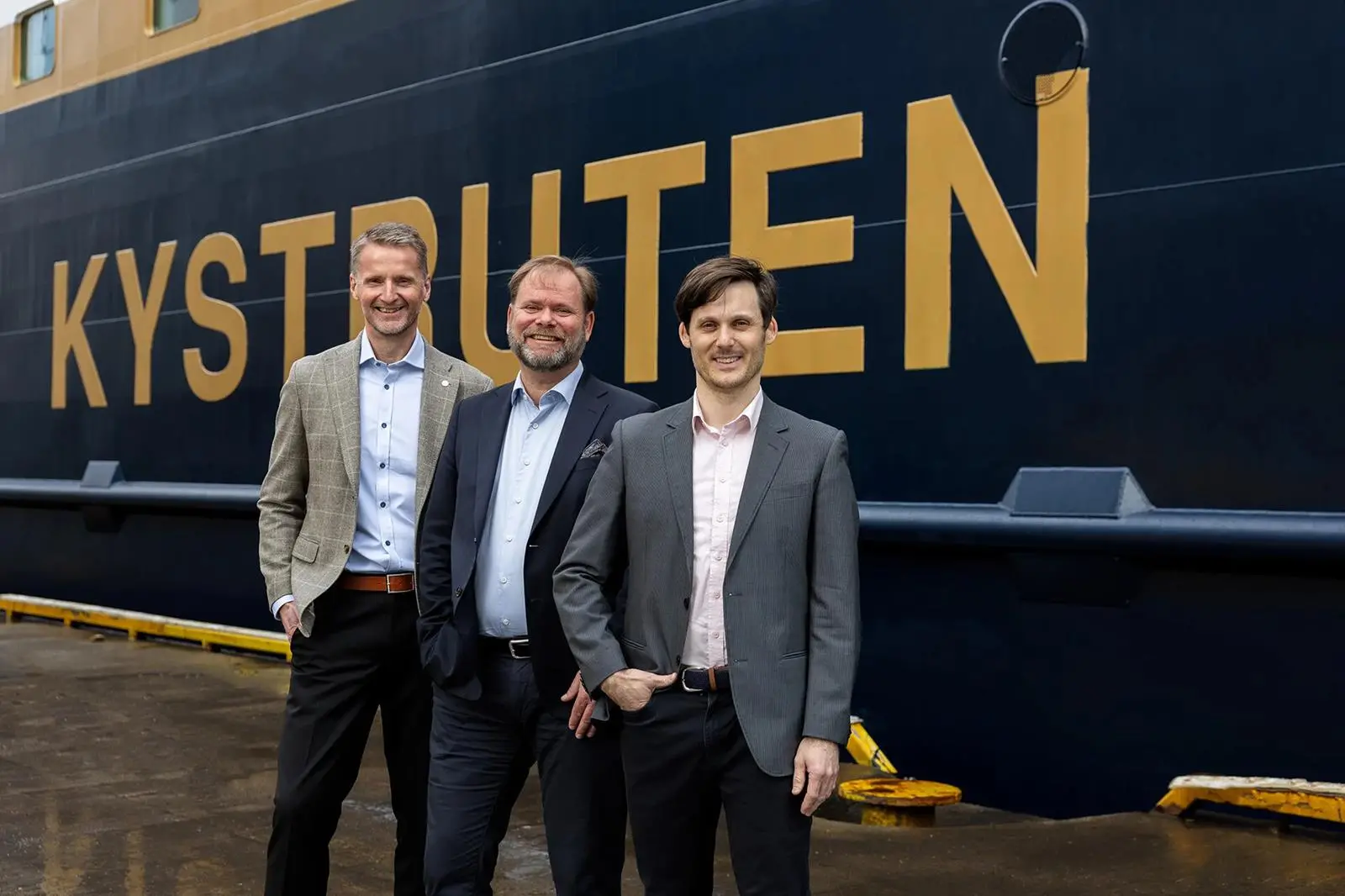
Dubbed LNGameChanger, the initiative is led by maritime technology supplier HAV Group in collaboration with coastal cruise operator Havila Voyages, natural gas company Molgas Norway (formerly Gasnor), and research institution SINTEF. The project was officially unveiled at a press conference in Ålesund, Norway, aboard Havila Voyages’ coastal cruise ship Havila Capella.
“The LNGameChanger project aims to develop a low- or zero-emission solution for the maritime industry, leveraging the growing LNG market and infrastructure with superior efficiency compared to alternative solutions. If successful, LNG could become more than just a transitional fuel—it could be a permanent, viable option for low-emission maritime transport, alongside alternatives such as hydrogen,” said Gunnar Larsen, CEO of HAV Group.
A successful outcome would pave the way for HAV Group to commercialise the solution and incorporate it into its expanding portfolio of low- and zero-emission maritime technologies.
The primary goal of the project is to design an innovative, decarbonised maritime LNG-fuelled power train integrating SOFC technology with high-efficiency onboard CO2 liquefaction and storage, achieving CO2-equivalent intensity in line with the 2045–2050 emission targets. Secondary objectives include verifying energy efficiency and emissions performance of the SOFC power train with CO2 capture in stand-alone mode. A specific user case will be developed, using a vessel design and operational profile to extract load characteristics and perform voyage simulations. Havila Voyages’ four coastal cruise ships, which currently run on LNG and battery power, may serve as a test platform.
Havila Voyages CEO Bent Martini emphasised the company’s commitment to sustainability: “We have clear ambitions to move towards carbon neutrality and eventually zero emissions, and this project aligns with our strategy. As our primary power source today is LNG, we are eager to explore the potential of this technology.”
The project will also assess infrastructure needs for decentralised CO2 collection and transport in port, including potential synergies with LNG distribution. Molgas Norway, a leading supplier of natural gas to industrial and maritime sectors, sees significant potential in the technology. “This project could provide a large-scale, low-emission solution by leveraging an established energy supply chain for hard-to-abate sectors,” said Anders Torp Rød, managing director at Molgas Norway.
With international shipping accounting for approximately 80% of global trade and 3% of greenhouse gas emissions, the industry is undergoing a fuel transition. According to DNV’s Alternative Fuels Insights (AFI) platform, the number of LNG-fuelled ships in operation doubled between 2021 and 2024, with a record 169 deliveries last year. By the end of 2024, 641 LNG-powered ships were in service, with the figure expected to double by 2030.
Regulatory developments are also driving innovation. Between 2024 and 2026, the EU Emissions Trading System (EU ETS) is being gradually extended to cover maritime transport, while the FuelEU Maritime regulation comes into force in 2025. “These regulations provide additional incentives to develop and deploy CO2 reduction technologies,” Larsen added.
The Norwegian Research Council has awarded LNGameChanger a NOK 5 million grant over two years, supporting research activities led by SINTEF. HAV Group, Havila Voyages, and Molgas Norway will actively contribute technical expertise in ship integration, regulatory compliance, and risk assessment.
The initial phase will focus on feasibility studies and simulations to determine readiness for a subsequent prototype demonstration project. “We are excited to be part of this initiative. A low-to-zero-emission concept that combines LNG with CO2 capture has great potential for various vessel types,” said David Berstad, researcher at SINTEF.
Related Articles
 ALTERNATIVE FUELS & LUBRICANTS
 ALTERNATIVE FUELS & LUBRICANTS
 ALTERNATIVE FUELS & LUBRICANTS