



LPG launch marks step towards multi-gas engine
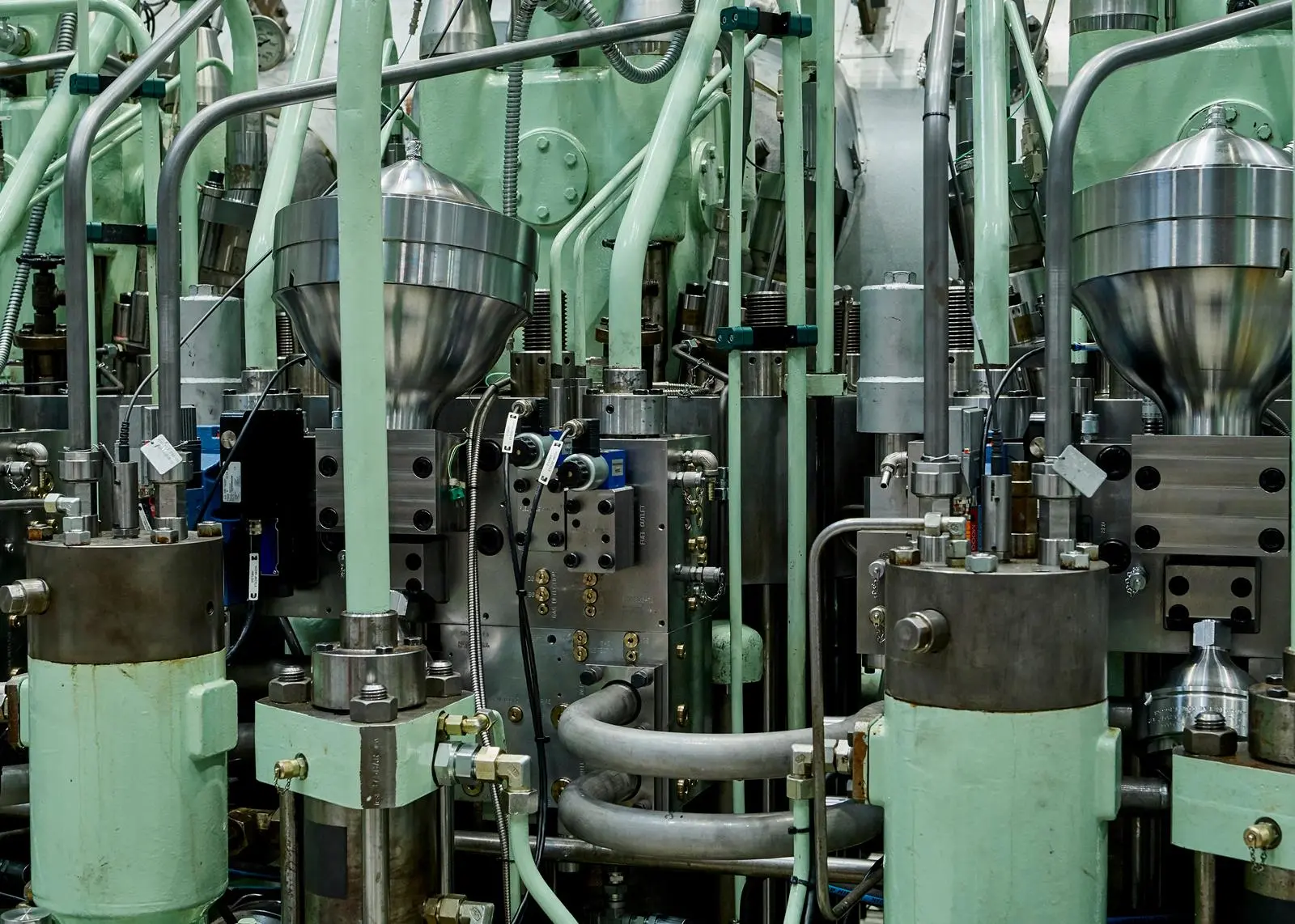
Following the development of the LPG-burning ME-LGIP engine, launched in Copenhagen this week, the company will aim to reduce the supply pressure required for LPG injection from 600 to 380 bar. At that pressure, LPG can be used in MAN’s ME-GIE engines, originally designed to burn ethane gas.
ME-GIE engine have already been proven to run on methane fuel as well as ethane and can also burn LNG. Thus if the supply pressure can be lowered for LPG – which is composed from a mix of propane and butane in any proportion – the engine will offer extensive fuel flexibility.
René Sejer Laursen, promotion manager, dual-fuel engines, MAN Energy Solutions, told The Motorship that such and engine could be built by December. There is likely to be a small fuel penalty when running on LPG due to the lower injection pressure. The development of methanol as a fuel for the ME-GIE engine is expected to be slower than for other low-flashpoint fuels because its density at lower pressures would make combustion behaviour less predictable.
Both gas carriers and container ships would be potential customers for the multi-gas engine. Laursen noted that gas carriers are already installing tanks capable of holding LPG, LNG and ethane (although not mixed together), and an engine that could burn all these fuels would be a considerable advantage.
The potential for containerships to use the fuel is also considerable, Laursen said. He argued that operators had shied away from LNG because it often ties them to one supplier. The ability to use several fuels would give them a competitive advantage by allowing them to select the cheapest fuel at a given port, as well as ensuring compatible fuels are available at a wider selection of ports.
“The CMA CGM containerships have tanks of 20,000m3 each,” said Laursen. “With nine ships, if you can save US$50 a tonne buying LPG instead of LNG, that quickly makes a difference.”
While it may be just a few months until such engines are available, it will take longer to develop a unified fuel gas supply system. Ship operators hoping to burn multiple gas fuels before then will need at least two FGSS channelling into their engines.
Related Articles
 ALTERNATIVE FUELS & LUBRICANTS
 ALTERNATIVE FUELS & LUBRICANTS
 ALTERNATIVE FUELS & LUBRICANTS