



LPG report highlights maritime potential
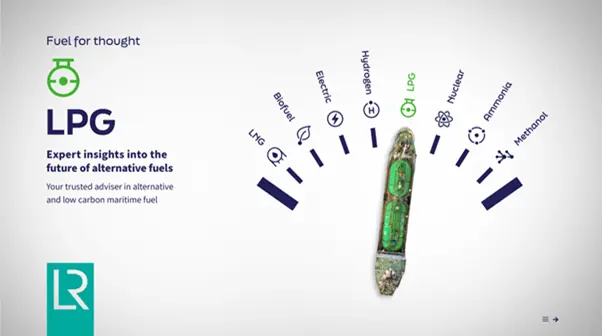
The report outlines how LPG combines mature technology, global availability and established infrastructure with a credible pathway towards lower-carbon maritime operations.
“Our latest Fuel for Thought: LPG report reinforces what our industry has long needed – an immediately deployable, commercially viable and technically proven cross-segment pathway to accelerate decarbonisation.”
“With mature infrastructure, a growing dual fuel fleet and clear emissions advantages over conventional marine fuels, LPG offers shipowners a practical route to compliance and meaningful carbon reduction today.”
More than 1,600 LPG carriers are already in service worldwide, supported by over 1,000 storage facilities and terminals, providing a strong foundation for wider adoption across global shipping.
According to the report, fossil LPG emits around 97% less sulphur oxides, 90% less particulate matter and approximately 20% less carbon dioxide than heavy fuel oil. Lifecycle greenhouse gas emissions can also be reduced by up to 17% compared with marine gas oil.
The study states that LPG’s lower carbon-to-hydrogen ratio could help shipowners meet tightening regulations including EEXI, CII, EU ETS and FuelEU Maritime requirements.
The report also highlights growing commercial opportunities, including lower capital expenditure compared with some alternative fuel systems and accessible retrofit pathways for existing vessels.
Researchers noted that renewable LPG and bio-LPG could further strengthen the fuel’s long-term role. Chemically identical to conventional LPG, renewable variants can be used as drop-in fuels without engine modifications while offering emissions reductions of up to 80%, depending on feedstock.
Nikos Xydas, technical director at WLGA, said: “LPG offers a low-carbon, low-emissions and cost-effective fuel today, and a credible long-term pathway in the future.”
READ MORE: LR issues hydrogen guidance
Related Articles
 AMMONIA
 AMMONIA
 OTHER ALTERNATIVE FUELS