



LR updates tanker CAP assessments
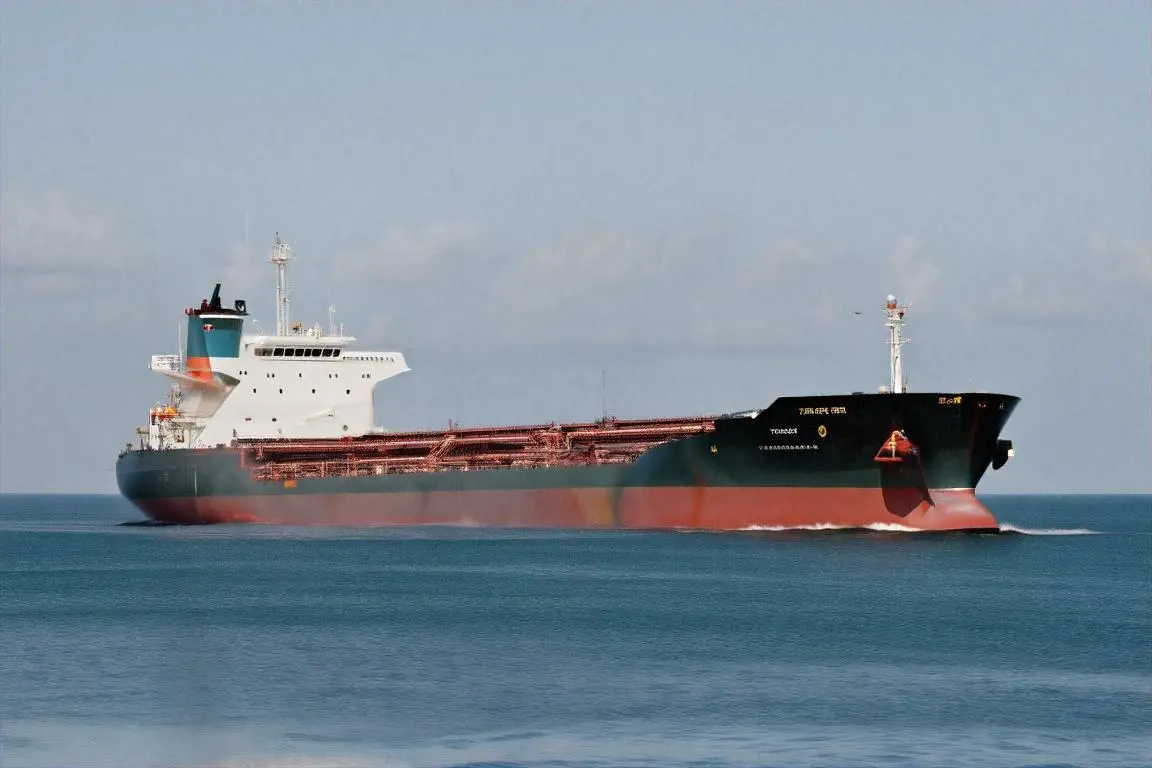
At the centre of the update is a revised approach to thickness measurement analysis. Rather than relying on percentage-based acceptance criteria, LR has shifted to fixed thickness values that are directly tied to the vessel’s original CSR design requirements.
The move is intended to align survey outcomes more closely with the engineering assumptions used when the ship was first built.
The change responds to feedback from owners and operators who have highlighted variability in CAP results for CSR vessels. By anchoring assessments to defined design benchmarks, LR says the process should now deliver clearer, more predictable outcomes across surveys.
“These enhancements reflect what our customers and the wider market have been telling us,” explained Nigel Phillips, Ship Inspection and Assessment Services, global manager, at Lloyd’s Register.
“Aligning CAP thickness assessment directly with CSR design intent removes ambiguity and delivers clearer, more predictable outcomes. It strengthens trust in CAP ratings and supports better decision-making across the tanker sector.”
For shipowners, the updated methodology is expected to reduce uncertainty ahead of CAP inspections. Clearer thickness criteria allow for better preparation, support more structured long-term maintenance planning and make it easier to manage structural integrity and related costs throughout a vessel’s life.
Charterers and other market participants may also see benefits. More transparent and comparable CAP ratings for CSR tankers should provide a stronger basis for judging vessel condition and associated risk, particularly when comparing ships across fleets.
The update reflects a broader push within classification and inspection to make technical assessments easier to interpret, while maintaining alignment with underlying design standards.
Related Articles
 ENERGY SAVING DEVICES
 LNG
LNG
 ALTERNATIVE FUELS & LUBRICANTS