



Malaysia offshore CCS project advances, FEED work to begin in 2024
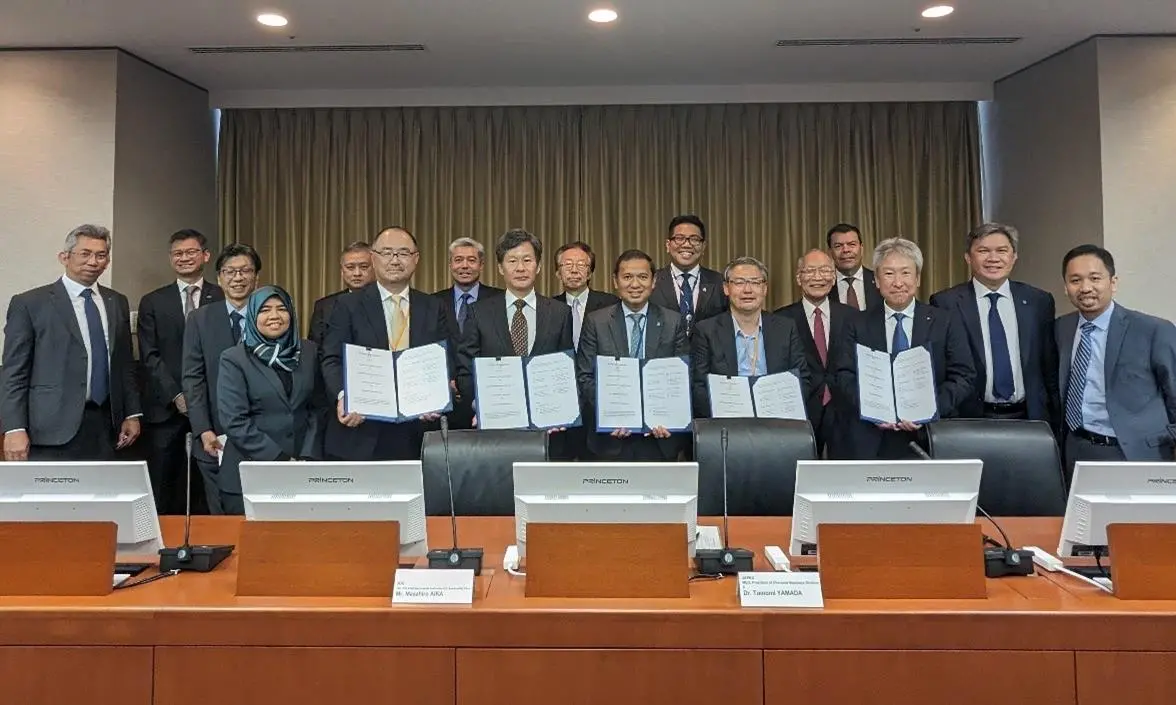
The agreement signifies that the Japanese counterparties (Japan Consortium) and Petronas have successfully assessed the underground storage capacity of CO2, marine transportation from CO2 emission sources, and the most effective CO2 storage scheme for the purpose of permanent storage off the coast of Malaysia.
The next step of the project will see the partners jointly develop the CCS (Carbon Capture and Storage) project plan and structure, with the aim of taking a final investment decision on the commercialisation of the project in the mid-2020s. Offshore sequestration is planned to begin by the end of 2028, with an initial annual volume of 2 million tons of CO2 at the beginning of the project rising to 5 million tons per year by 2030. The project envisages increasing the amount to more than 10 million tons per year in the early 2030s.
The KPA will commence the specific preparatory works with a view to beginning the front-end engineering design (FEED) in 2024. The project partners are proceeding with the detailed engineering of the specifications, estimated costs, and business scheme, including infrastructure network of CO2 pipelines from onshore gathering, receiving facilities for liquefied CO2 transported by ships and offshore injection facilities. PCCSV and JC will work closely with other Malaysian stakeholders for the development of the CCS hub in Malaysia.
The Japanese counterparties are continuing work to establish a CCS value chain originated from Japan with JFE Steel Corporation.
Related Articles
 CARBON CAPTURE
 CARBON CAPTURE
 ALTERNATIVE FUELS & LUBRICANTS