



Methanol’s role in the future fuel mix
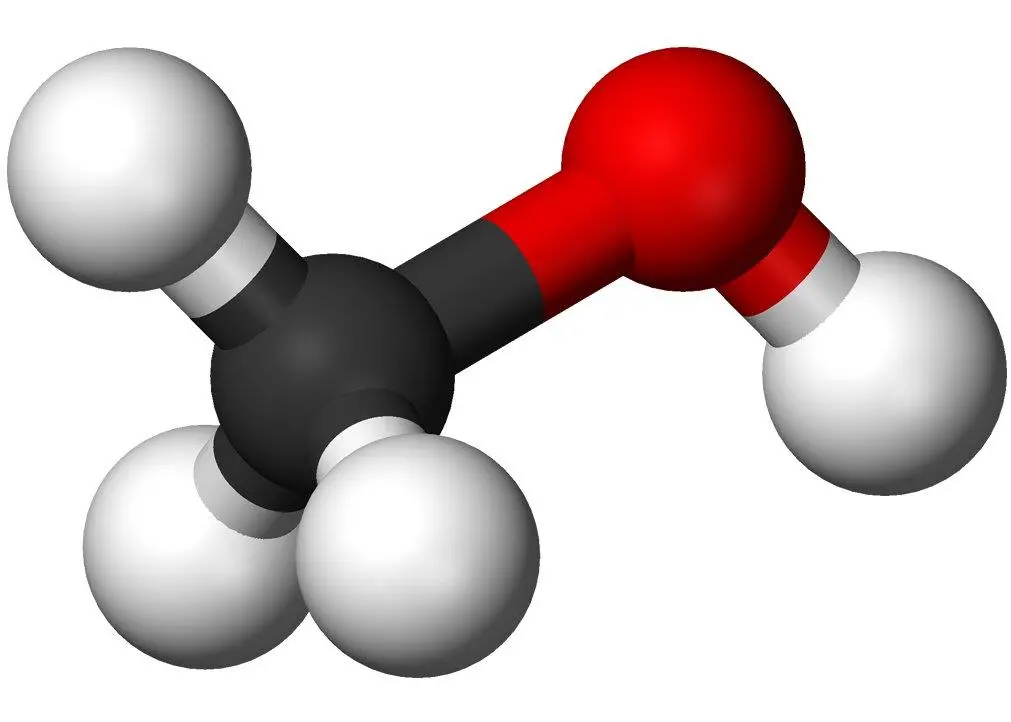
The shipping industry is focused on the near-term effects of 2020, but the likely impacts extend beyond its intended environmental goals to refining capacity, supply and demand – and thus the tanker markets – as well as vessel operations.
Despite often contradictory news reporting and analysis, we can comfortably assume that bunker prices will rise into 2020, whether for gas oil or low-sulphur fuel oil (LSFO). We can also see shortages and pinch points where supply and demand are out of step. And if we revert to a higher world oil price regime, all bets are off.
Owners have tended to go where the bunkers are low cost, even if that means some risk to quality. But given the supply position, it seems less likely in future that they will be able to source LSFO or gas oil without having long-term agreements in place.
Even after supply and demand normalises, the post-2020 era will be one of higher fuel prices, making alternatives more attractive to owners planning for newbuildings in the next few years.
A sustained high price for LSFO or gas oil, especially when the cost of a carbon tax is added, might be a boost to LNG but could also make methanol competitive as a marine fuel for newbuildings and conversions in specific shipping sectors. We may not see early adoption of methanol on tramping bulkers or large tankers, but as the marine fuels market moves from a spot business to one defined by long-term supply contracts, it becomes more attractive.
POTENTIAL MARKETS
Short-sea shipping, ferries, inland waterways and workboats are all potential markets for methanol. The environmental argument is irrefutable: unlike LNG which addresses the sulphur, nitrogen oxides and particulate matter emissions problems, methanol offers a pathway to low- and zero-carbon emissions profile, allowing shipping to be part of the solution to global warming in addition to being compliant in terms of SOx, NOx and particulate matter.
As the world’s most widely shipped chemical commodity, an additional benefit for methanol is its availability at port locations globally. Wherever you see tank farms at port facilities, you are likely to have methanol storage capacity.
Several existing plants are already producing low-carbon methanol through a carbon capture and re-injection production loop. Methanol production offers a wide range of feedstock and process technologies for zero-carbon marine fuels.
Methanol as marine fuel has a safety profile that deserves to be better understood. Its safe handling practices draw on a long history and experience in shipping and industrial use. No more poisonous than diesel or gasoline, methanol is miscible in water and so is far less hazardous to the environment than diesel or heavy fuel oil, biodegrading rapidly in the event of a spill.
For polar shipping, this biodegradable alcohol, which does not produce soot because it has no carbon-to-carbon bonds, would be an ideal alternative to heavy fuel oil.
REGULATORY APPROVAL
As a low flashpoint fuel, methanol is subject to the revision of the IGF Code and should have guidance this year and full regulatory approval by 2023. Equipment manufacturers have responded, with engine maker MAN Diesel & Turbo investing substantially in a dual-fuel main engine capable of burning a range of low-sulphur fuels efficiently and safely, with an impressive emissions scorecard for seven vessels (with four more on order) boasting more than 25,000 hours of experience running on methanol.
To generate a like-for-like comparison of the costs of methanol versus LNG or LSFO, the industry requires a better means of pricing than the current link to posted contract pricing. To do this, the Methanol Institute has been working with industry partners to develop a fuel comparison model, available free of charge and enabling owners and operators to understand the comparative fuel costs associated with HFO, LSFO, and LNG versus methanol.
Methanol may not be the fuel of the masses by 2020, but owners able to think beyond then to the next phase of regulation should be considering what the marine fuel market will look like, and how alternatives such as methanol fit into that future.
Related Articles
 ALTERNATIVE FUELS & LUBRICANTS
 ALTERNATIVE FUELS & LUBRICANTS
 OPINION