



MOL inks deal with Japanese oil company to study CCS logistics chain
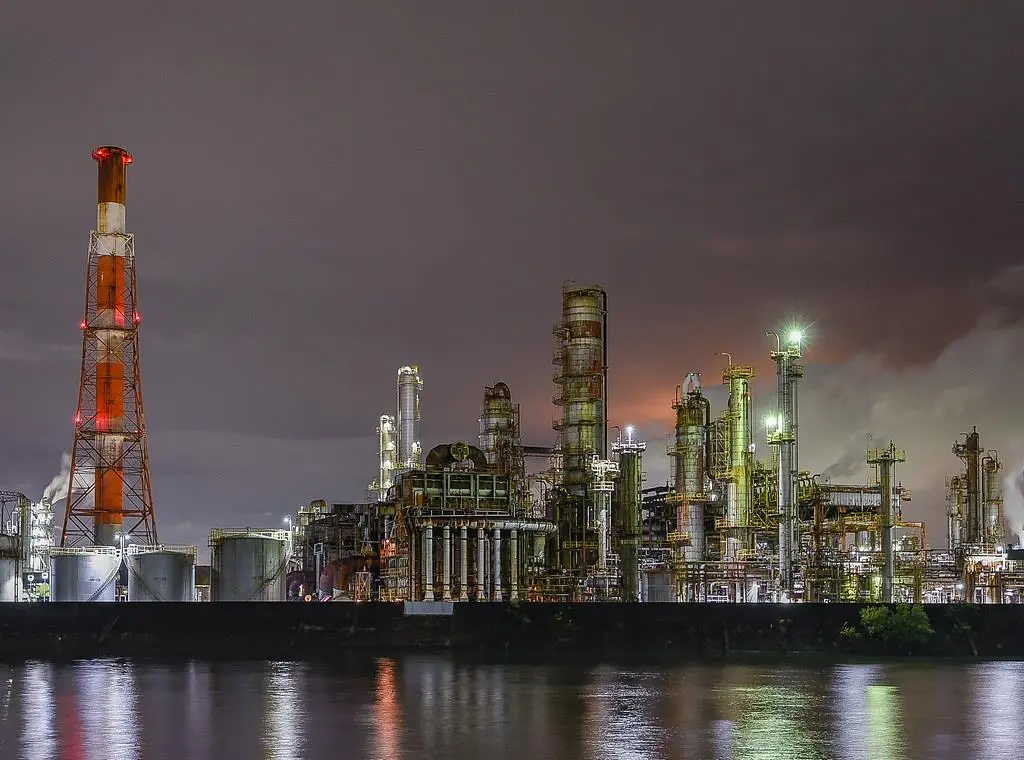
The agreement will lead to a number of in-depth studies relating to the establishment of a CCS value chain, permitting CO2 emissions to be captured at Cosmo Oil’s refineries in Japan, before being transported overseas for sequestration.
One of the studies will examine the anticipated volumes to be captured at Cosmo Oil’s refineries, and the expected specifications of the liquefied CO2 (LCO2) carriers required to transport the carbon from the refineries themselves to sequestration sites. The second agreement outlines a generic value chain study, with the aim of producing estimates of the costs of transporting carbon based on the results of the first study.
Cosmo Oil is accelerating efforts to explore the possibility of installing carbon capture technology at its refineries in Japan. On 30 October, Cosmo Oil announced plans to conduct a joint trial with Toshiba Energy Systems & Solutions Corporation (Toshiba ESS) of a highly efficient CO2 electrolysis technology that electrolyses CO2 to produce carbon monoxide (CO).
Earlier in October, Cosmo Oil announced plans to collaborate with Japanese utility Kepco on carbon capture and storage, and subsequently announced a deal with a Japanese chemicals supplier, SEKISUI CHEMICAL, to cooperate in using a chemical looping reaction technology to convert CO2 to CO using a proprietary catalyst and reaction process.
The Motorship notes that MOL recently signed an agreement with Petronas in September to explore the possibilities of developing an international CCS value chain to transport CO2 from Japan to Malaysia. The two companies have also collaborated on the development of conceptual designs for LCO2 carriers. The resulting LCO2 carrier design received four Approvals in Principle (AiPs) in June 2023.
The economics of potential international liquefied carbon supply chains represent an area of focus for a number of Japanese ship owners and operators and trading houses. We previously reported on a parallel supply chain study involving Sumitomo, Toho Gas, K LINE and Woodside in Australia in September.
Related Articles
 CARBON CAPTURE
 CARBON CAPTURE
 ALTERNATIVE FUELS & LUBRICANTS