



More work needed despite GHG progress
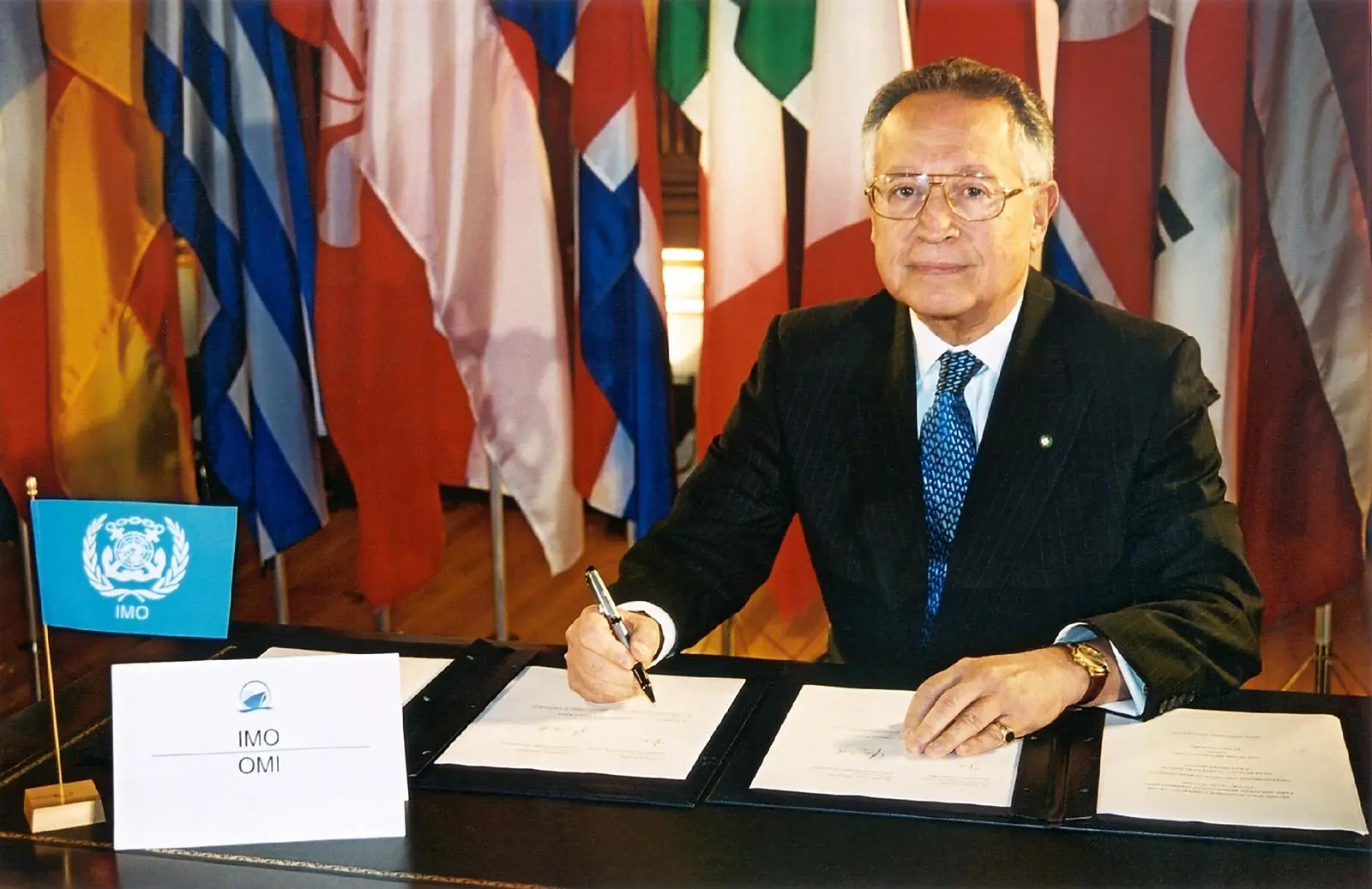
The outcome of MEPC 60 was a conclusion that more work needs to be done before IMO can consider a proposed mandatory application of technical and operational measures designed to regulate and reduce emissions of greenhouse gases (GHGs) from international shipping. The committee agreed to establish an intersessional working group to build on the significant progress that had been made during the meeting on technical and operational measures to increase the energy efficiency of ships. This working group will report back to MEPC 61 in September 2010.
IMO reports that although the meeting was able to prepare draft text on mandatory requirements for an energy efficiency design index (EEDI) for new vessels and on a ship energy efficiency management plan (SEEMP) for all ships in operation, MEPC noted in particular that, among other things, issues concerning ship size, target dates and reduction rate in relation to the EEDI requirements all required finalisation.
The committee agreed on the basic concept that a vessel’s attained EEDI shall be equal or less (e.g. more efficient) than the required EEDI, and that the required EEDI shall be drawn up based on EEDI baselines and reduction rates yet to be agreed. The committee noted guidelines for calculating the EEDI baselines using data from existing ships in an industry database.
With regard to market-based measures, MEPC agreed to establish an expert group on the subject to undertake a feasibility study and impact assessment of the various proposals submitted for a market-based instrument for international maritime transport – again, reporting back to MEPC 61.
MARPOL amendments
Among other items on a full agenda, MEPC 60 adopted amendments to the MARPOL Convention to formally establish a North American Emission Control Area, in which emissions of sulphur oxides (SOx), nitrogen oxides (NOx) and particulate matter from ships will be subject to more stringent controls than the limits that apply globally.
Another new MARPOL regulation, to protect the Antarctic from pollution by heavy grade oils, was also adopted. These amendments are expected to enter into force on 1 August 2011.
Other matters dealt with by MEPC 60 included the ballast water convention, ship recycling, waste discharge and oil pollution.
In his closing remarks to the meeting, IMO secretary-general Efthimios E Mitropoulos focused on the progress made in dealing with GHG emissions from ships and the challenges that still remain. Placing the Committee’s work in its wider context, he said, “Global issues demand global solutions. Let the world learn from the lessons of Copenhagen so that the same mistakes are not repeated in Cancun. At the same time, let us build on the undeniable successes Copenhagen has scored, by providing a forum for heads of state and government to listen to and understand each other’s problems, concerns, worries and sensitivities and, thus, pave the way for a more successful next round of consultations.” The shipping world, he added, should proceed, “not in a fragmented manner, but as responsible members of a community that has a role to play in this effort.”
Related Articles
 ALTERNATIVE FUELS & LUBRICANTS
 FUELS & LUBRICANTS