



MSC Cruises maintains interest in hydrogen: Francioni
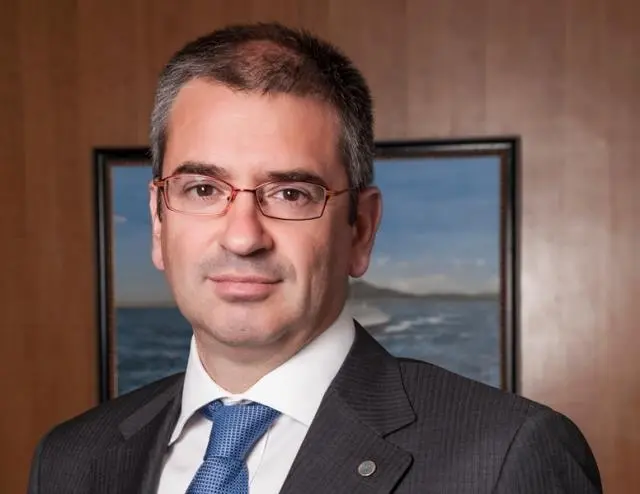
It has been participating in a joint feasibility study into the use of hydrogen as a fuel since July 2021 with Fincantieri and energy group SNAM. One of the findings of the research has been that liquefied hydrogen is the only viable way to use hydrogen for cruise ships, owing to the space requirements for storing hydrogen in a compressed gaseous state.
The 12-month study was intended to determine key factors relating to the development of ocean going cruise ships powered by hydrogen. The scope of the project range from technical parameters, arranging space onboard for the hydrogen power systems and fuel cells plus various environmental to supply chain related matters.
“What we are working on is a fundamental shift in how we create energy onboard large cruise ship vessels, so inevitably we were bound to encounter surprises along the way. The purpose of the project is to work collaboratively with highly competent experts to assess the challenges and manage the expectations in using new fuels and new technologies onboard,” Francioni said.
MSC Cruises remain remains committed to study and the use of hydrogen as a potential future onboard energy provider and considerable time has been spent in looking at the design requirements for onboard storage, including the need for dual fuel storage, as an interim measure while new fuels and technologies are developed and scaled up.
“We know that any investment will need to be significant, and that we will need to address the many challenges that exist in making use of hydrogen onboard in a safe and efficient manner,” Francioni said, adding: “With the results to date of this feasibility study showing positive opportunities, the hope is to develop this into a full project.”
MSC remains positive that hydrogen is a strong contender to replace traditional liquid fossil fuel on the industry’s transition to zero carbon emissions.
“We see the use of fuel cells as having great potential, using liquefied natural gas (LNG) initially and then liquid hydrogen as it becomes available as an effective feedstock. This would be a major contributor to decarbonising our industry,” Francioni pointed out.
Fuel Cell Developments
MSC Cruises is also working with the Chantiers de l’Atlantique shipyard in France to develop hydrogen fuel cell technology for use onboard cruise ships.
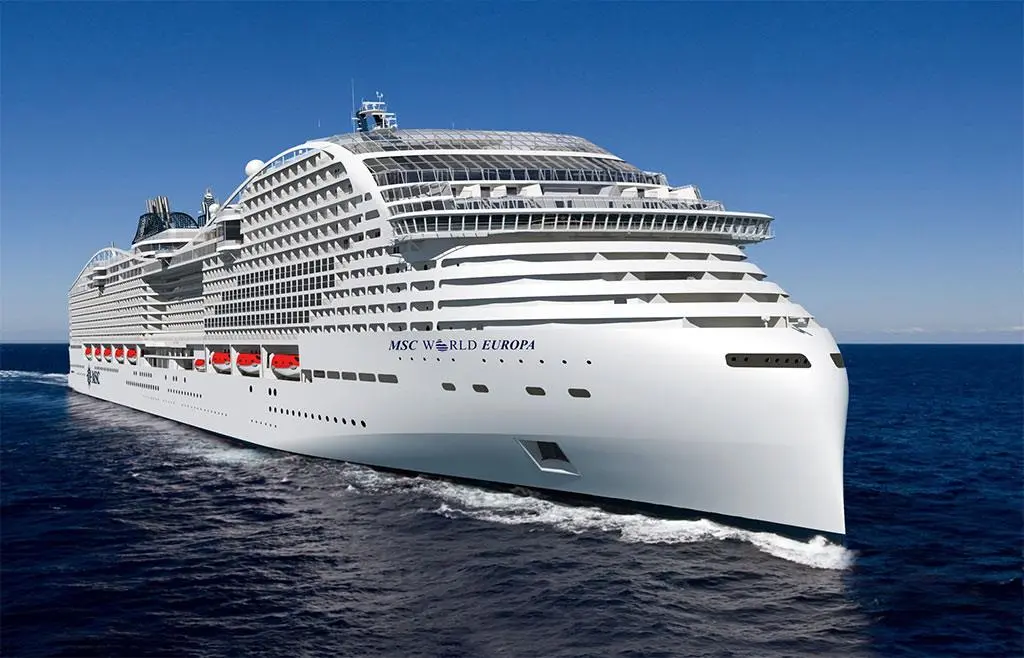
On 23 May, the cruise line said the 205,000 gross tonne MSC World Europa that is on order at the French builder would include a 150-kilowatt Solid Oxide Fuel Cell (SOFC) demonstrator unit.
While the unit that will be installed will operate on LNG rather than hydrogen, the unit was intended to be a test bed to accelerate the development of fuel cell technology for cruise ships. It could also offer a potential to enable hybrid propulsion solutions in the future, the company said in a statement.
MSC World Europa is the first unit in a class of four ships on order at the French builder and the SOFC project also includes Bloom Energy, a US company, as partner.
“Bloom’s fuel-flexible platform is designed to generate electricity 20 to 30 percent more efficiently through a non-combustion electrochemical process when utilising LNG compared to traditional marine combustion-based propulsion and auxiliary engines,” it said in a statement.
Francioni said this project is about ensuring a design that could fully integrate with the existing power systems onboard, as well as confirming its capability to create heat and power onboard in an effective way. “We remain very positive about the use of fuel cells,” he noted.
“We know, from existing information on fuel cell capabilities, that they are more efficient than traditional internal combustion engines in the creation of heat and power and will, therefore, reduce the hydrogen fuel demand. This, together with the efforts we are making to improve energy efficiency and optimise operations, will help to reduce bunkering requirements for lower density fuels,” he continued.
Barriers to adoption
Despite the upbeat assessment of the progress of the viability study with Fincantieri and SNAM and the news about MSC World Europa, Francioni said that the company remained aware of the challenges. “The availability of liquid hydrogen is one of these as a real supply chain currently does not exist, and the current production of green hydrogen globally is minimal,” he pointed out.
“There will be intense global competition for the green hydrogen that is available, from different transport sectors as well as other highly energy intensive industries. And there is an energy cost to create green hydrogen with significant quantities of renewable energy needed for its creation, which will impact the opportunity to scale this up,” he continued.
The limited availability of green hydrogen would affect the deployment of MSC Cruises’ vessels in the global cruise market. “We would have to deploy our ships to areas of the world where we know sufficient supply chains exist. This, inevitably, is a challenge given the nature of global cruise operations,” Francioni said.
Liquid hydrogen has a lower energy density, so more volume is needed for the same power output. “We know that we will need a lot more bunkering capacity onboard, due to the far lower energy density of hydrogen compared to the fuels we use today. Liquid hydrogen needs low temperature storage, less than -250oC. Designing our ships of the future will be very different than in the past,” Francioni concluded.
Related Articles
 ALTERNATIVE FUELS & LUBRICANTS
 ALTERNATIVE FUELS & LUBRICANTS
 ALTERNATIVE FUELS & LUBRICANTS