



MSC to trial emulsion-based MSAR fuel
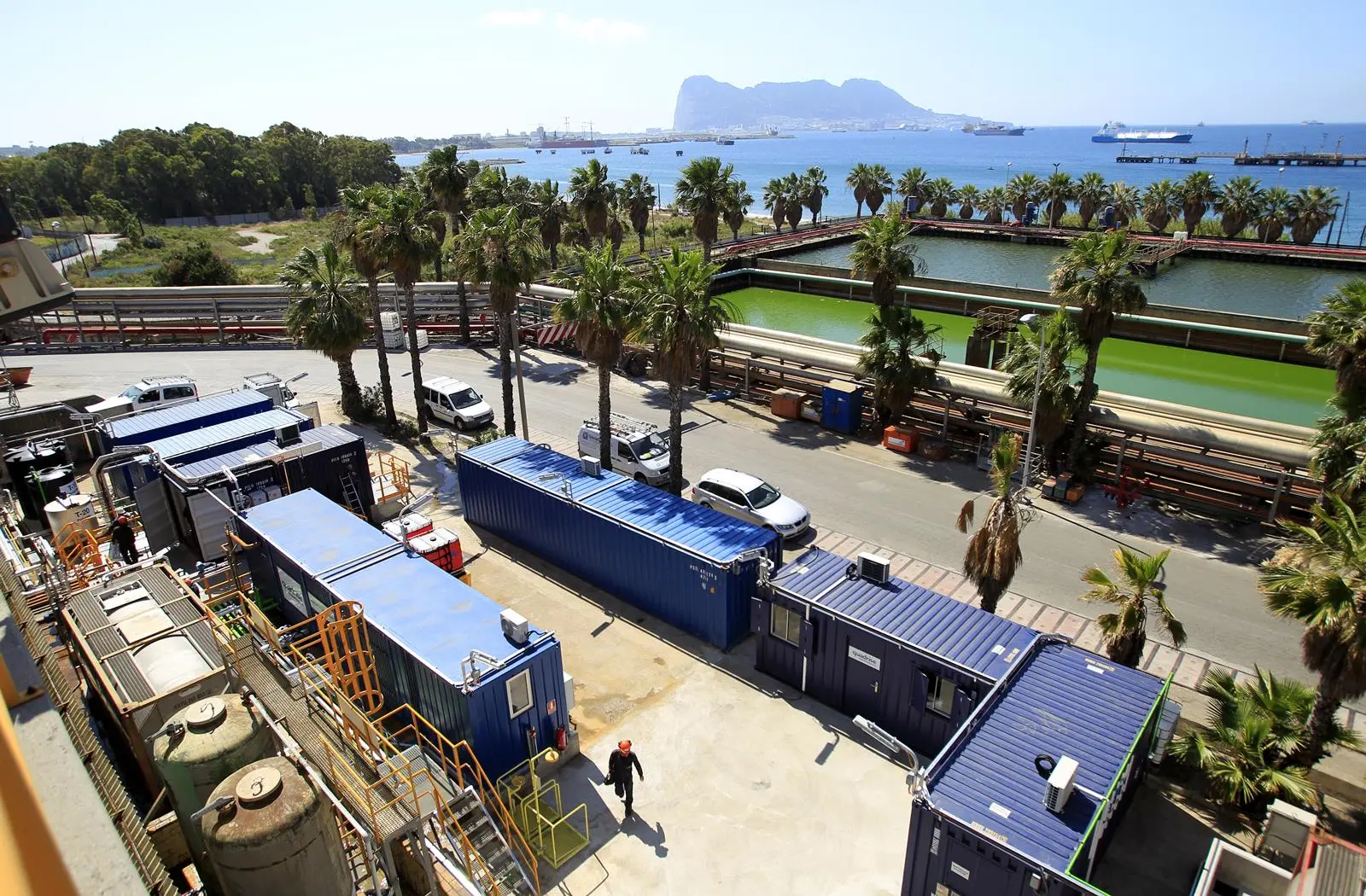
UK-based Quadrise Fuels International has spent several years developing its Multi-phase Superfine Atomised Residue (MSAR) fuel, which is a blend of refinery residue, water and additives and is marketed as a lower-cost alternative to HFO. Now, it may be on the brink of a breakthrough if a trial that MSC Shipmanagement is planning leads to its regular use.
Speaking to The Motorship in early February, Quadrise CEO Jason Miles said that, if the operator goes on to use MSAR in its ships beyond the trial period, “that would mark a big turning point for the fuel and for the company.” Not only would MSC need large quantities of the fuel, it would also “set a significant precedent for the industry to follow,” he predicted.
Part of the trial will also test a new version of the fuel, dubbed bioMSAR, which substitutes some of the water with glycerine, which it obtains as a waste by-product from biodiesel production. Tests carried out in December by Aquafuel Research using the fuel in a small four-stroke engine “confirmed that bioMSAR is viable as a diesel engine fuel,” Quadrise said in a statement circulated via the London Stock Exchange’s Regulatory News Service (RNS) on 1 February, just days after it received the test report.
Mr Miles was upbeat about the findings: “if it works on the small high-speed generator that is not designed to run on heavy fuel, the chances of it running on a medium speed or low speed engine is extremely high.” He also believes that the same emulsifying techniques used for MSAR could also be used with renewable feedstocks such as lignin-based material, instead of refinery residue, to produce a 100% renewable fuel.
That, he said, was his ultimate goal but for now he is focusing on the MSC trial. In a statement, also circulated via the RNS, on 21 January, Quadrise said that this will test the fuel in a large MAN ME and/or a Wärtsilä/WinGD Flex two-stroke engine to obtain ‘letter of no objection’ (LONO) approvals from those engine manufacturers.
These will not be MSAR’s first seagoing trials. In 2016-17 AP Møller Maersk conducted trials that were cut short because the ship involved had to be drydocked following an accident but one positive outcome was an interim LONO from Wärtsilä for its RT-flex96C engine, Mr Miles said.
At about the same time, IMO set 2020 as the date when the global 0.50% sulphur cap would be introduced – rather than the alternative start date of 2025. Shipowners had to decide whether they would use low-sulphur fuel or high-sulphur, with scrubbers and Maersk adopted the former approach.
MSC, on the other hand, decided to fit scrubbers to a large number of its ships so, when Quadrise approached companies to get involved with further trials, its proposal appears to have been welcome: the RNS statement quoted Prabhat Jha, Group MD & CEO of MSC Shipmanagement, as saying that the potential environmental and economic benefits of MSAR and bioMSAR “reflect our approach to operating a modern MSC fleet and fit well with our overall future fuels strategy.”
Preparations for the trials are expected to be completed within three months of that announcement and if they go well, the project will be defined during Q2 with seagoing trials beginning in the second half of the year.
Although specific vessels have not been nominated, they are likely to be transoceanic vessels of at least 100,000dwt with electronically controlled engines. They will use MSAR exclusively for their propulsion, which is “quite a commitment,” Mr Miles said, but thanks to the earlier work with Maersk, engine manufacturers and class are already familiar with the technology and Quadrise has been able to provide extensive operational data to reassure MSC.
In use, MSAR is easier to handle than HSFO, Mr Miles said. It is designed to have a viscosity below 200cSt at 50°C, which is less than HSFO, and is injected into the engine at around 70°C. This is a lower temperature than is needed for HSFO and similar to that needed for MDO and VLSFO, he added. In addition, MSAR will be about 10% cheaper as-delivered than HSFO per energy unit he predicted.
Because of its water content (30% for MSAR), its calorific value is less than HSFO so greater volumes will be needed, potentially reducing a ship’s range. But this is not a significant concern, he suggested, since most ships have over-sized bunker tanks and ship speeds are generally lower than in the past. During the upcoming trials, MSC will not need to make additional bunkering calls, he said.
Related Articles
 ALTERNATIVE FUELS & LUBRICANTS
 FUELS & LUBRICANTS