



Nations unprepared for IMO rules
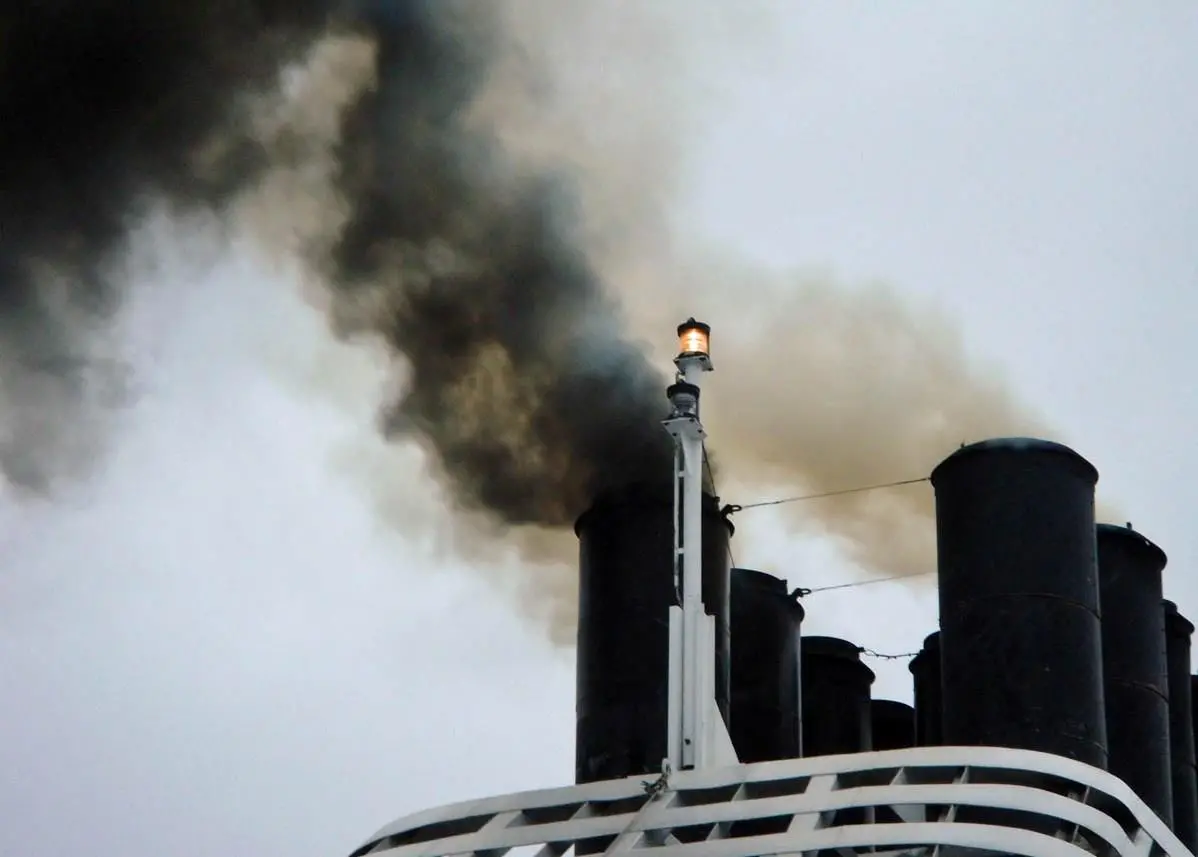
The report by the UCL Energy Institute Shipping and Oceans Research Group is the first to systematically compare how 10 major shipping nations align with the IMO’s 2023 greenhouse gas strategy. It finds that differences in policy alignment, fuel strategies and industrial readiness could reshape competitive dynamics across the sector.
A key finding is the so-called ‘incumbent paradox’, whereby advanced maritime economies with significant existing infrastructure, particularly around LNG, may be more exposed to future regulatory tightening than emerging players. Countries including the US, UK and China are identified as ‘aspiring leaders’, while established shipping hubs such as the EU, Japan and Singapore are classed as ‘hedged incumbents’ due to their reliance on transitional fuels.
“This report shows that countries are not starting from the same place in the shipping transition,” said Dr Pinar Langer, Research Fellow at the UCL Energy Institute Shipping and Oceans Research Group. “What matters most is whether policy signals, investment priorities and transition planning are aligned in ways that support scalable zero-emission pathways.”
The analysis also highlights India as a potential ‘leapfrog’ economy, able to benefit from strong global regulation due to lower legacy infrastructure constraints.
Researchers warn that weak or fragmented policy frameworks could encourage ‘pseudo-action’, where investment continues to flow into transitional fuels such as LNG, increasing long-term costs and delaying the shift to zero-emission alternatives.
“It is clear that maritime nations face risks from their incumbency, which are not always best served by a weak outcome,” said Prof. Tristan Smith, Professor of Energy and Transport at UCL Shipping and Oceans Research Group.
Related Articles
 ALTERNATIVE FUELS & LUBRICANTS
 ALTERNATIVE FUELS & LUBRICANTS
 ALTERNATIVE FUELS & LUBRICANTS