



New Japanese Engine Force In The Making
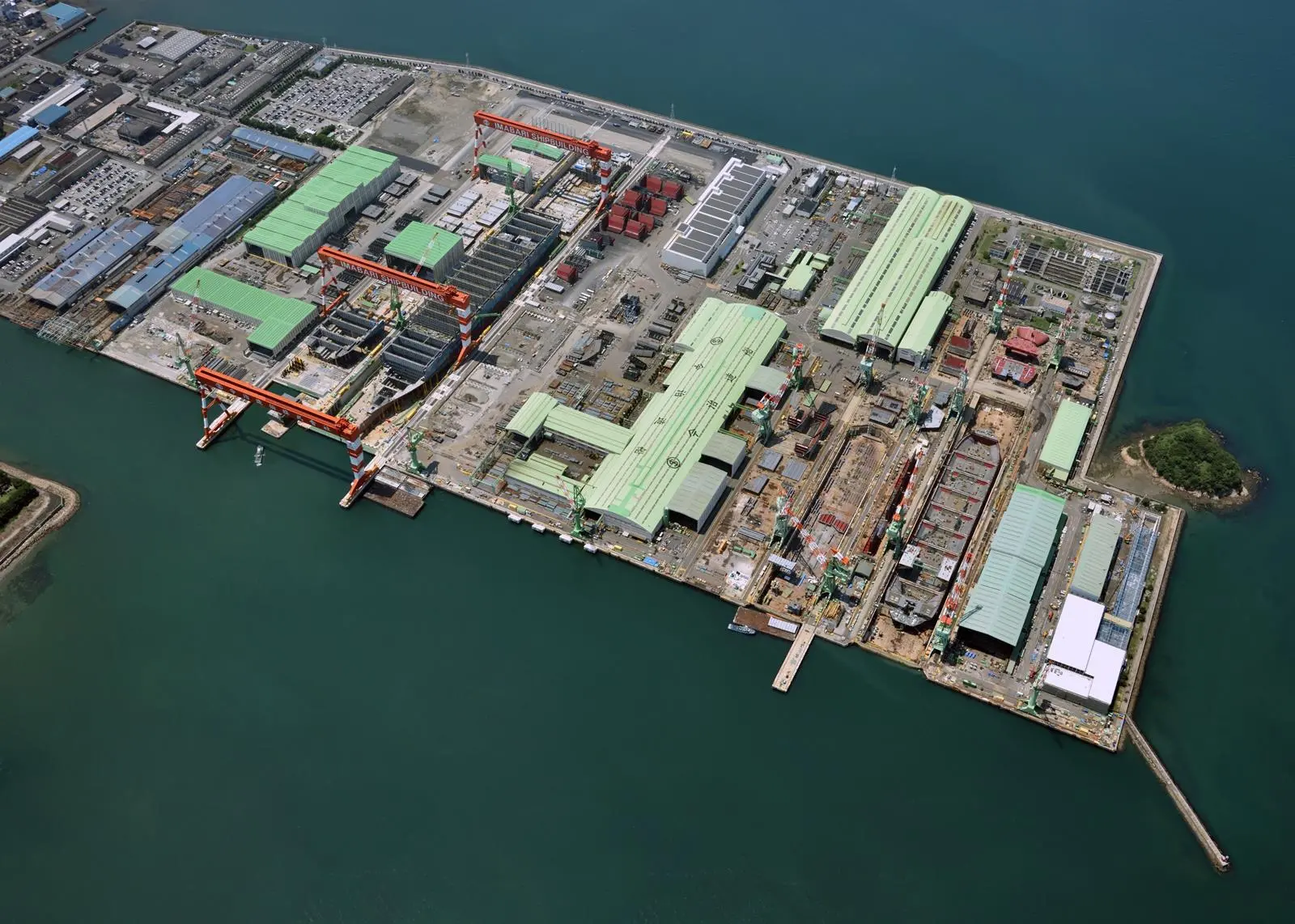
Hitachi would retain a 65% holding in the new entity, which has the interim title ‘HITZ Marine Engine Preparatory Corporation’. A trade name will be adopted with effect from the completion of the transaction and planned business start on 1 April 2023.
Imabari is a dynamic force in the industry, consistently investing in existing facilities and acquisitions and now controlling 10 domestic yards and other interests.
The group’s rationale for the latest tie-up is to ensure the stable supply and procurement of engines for its newbuild workload from the Hitachi works, with an eye to next-generation machinery on the path to zero-emission ships, while Hitachi is looking to expanded sales, improved profitability and increased focus on new-technology engine development.
Both shipbuilding and marine engine manufacturing in Japan face a tougher business environment and intensified competition, accentuated by volatile steel and material prices. Furthermore, technological demands have increased in recent years, and are now accelerating through the energy transition towards carbon neutrality, placing extra pressure on design and R&D resourcing and associated costs.
The two parties aim to achieve cost reductions through the close business association and by optimised procurement of materials. The scale of Imabari’s own requirements is implicit in annual newbuild output, last year alone amounting to 62 ships and spanning all main types, including boxships, tankers, bulkers and ro-ro vessels.
As part of its environmental focus, and in keeping with a strategy of maximising in-house capabilities, Imabari’s Nishi-Tadotsu division has begun manufacturing LNG fuel tanks for dual-fuel vessel newbuilds.
Hitachi Zosen has a track record of more than 80 years in building marine engines, and its current operations are distinguished by the company’s licensee status for the two leading names in large, two-stroke propulsion machinery, MAN Energy Solutions and Winterthur Gas & Diesel (WinGD). Production is focused at the Ariake complex, supplying yards both in Japan and overseas.
Complementing engine manufacturing, Hitachi is also a leading force in NOx exhaust aftertreatment systems. Its market scope in emissions abatement solutions is also being expanded through the development of methane oxidation catalysts, following a Japanese joint industry project addressing methane slip from LNG-fuelled vessels.
The new joint company will also be active in after-sales services, which has become pivotal to profitability throughout the marine engine manufacturing business worldwide.
Related Articles
 2-STROKE & 4-STROKE
 2-STROKE & 4-STROKE
 2-STROKE & 4-STROKE