



New safety requirements introduced for ammonia-fuelled engines
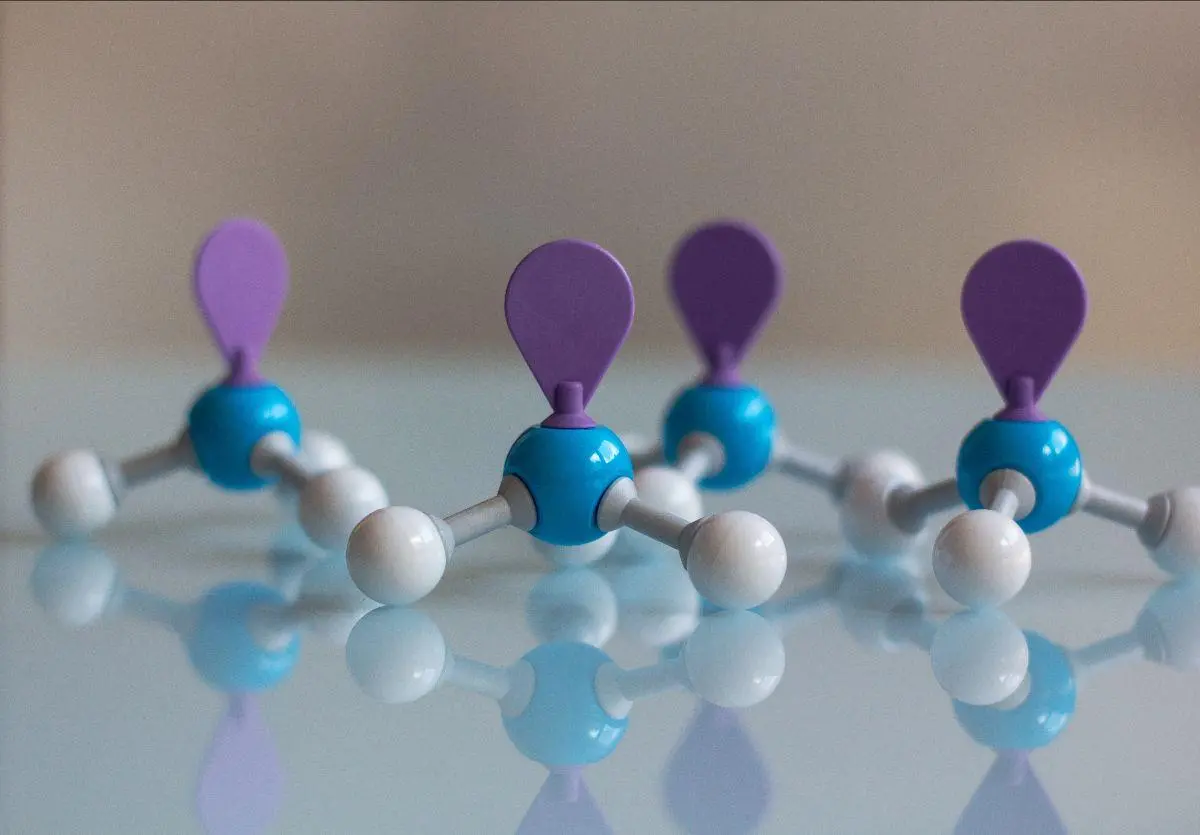
Our Special Report on ammonia showed that one of the key issues with using ammonia as a marine fuel is safety as the chemical is highly toxic.
The newly published Rev.4 of UR M78 expands its scope to include ammonia as an approved fuel for reciprocating internal combustion engines. This development reflects IACS’s commitment to enabling innovative propulsion technologies while maintaining the highest safety standards.
The revision to UR M78 have now expanded to include ammonia-fuelled engines (specifically anhydrous ammonia), alongside existing fuels lke natural gas, ethane, LPG, methanol and ethanol. The aim is to ensure regulatory clarity for emerging zero-carbon fuels.
Regarding safety, IACS seems so have focused on this aspect heavily. Not only are there new requirements mandating gas return/recovery systems and Ammonia Release Mitigation Systems (ARMS) to prevent leaks and manage toxic releases effectively but it’s also addressing toxic hazards along with explosion risks. IACS has introduceds measures to mitigate hazards from crankcase leakage, vent systems, explosion relief devices and flexible hoses, ensuring crew safety.
IACS has even introduced a comprehensive safety philosophy which addresses gaps not covered by IMO regulations, such as integrating advanced monitoring and emergency response protocols.
While certain companies had introduced features such double-walled piping, expansion bellows, and flexible hoses that include mandatory leak detection, IACS has now made this a mandatory requirement for ammonia-fuelled engines.
Other technical areas that IACS have looked into include crankcase ventilation and monitoring as well as requiring detailed schematics showing that their ammonia engines are indeed safe.
While issues such as the punitive cost of green ammonia being a barrier to widescale adoption in the marine space have been covered extensively in The Motorship, the IACS Machinery Panel Project Team 43 working in close collaboration with industry stakeholders ensures that the fuel should be fit for purpose when its needed.
Related Articles
 AMMONIA
 AMMONIA
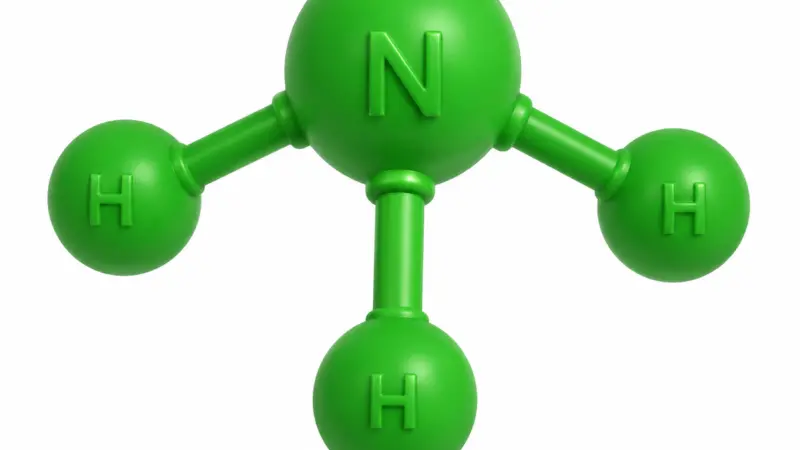 AMMONIA