



Nobody’s fuel… yet
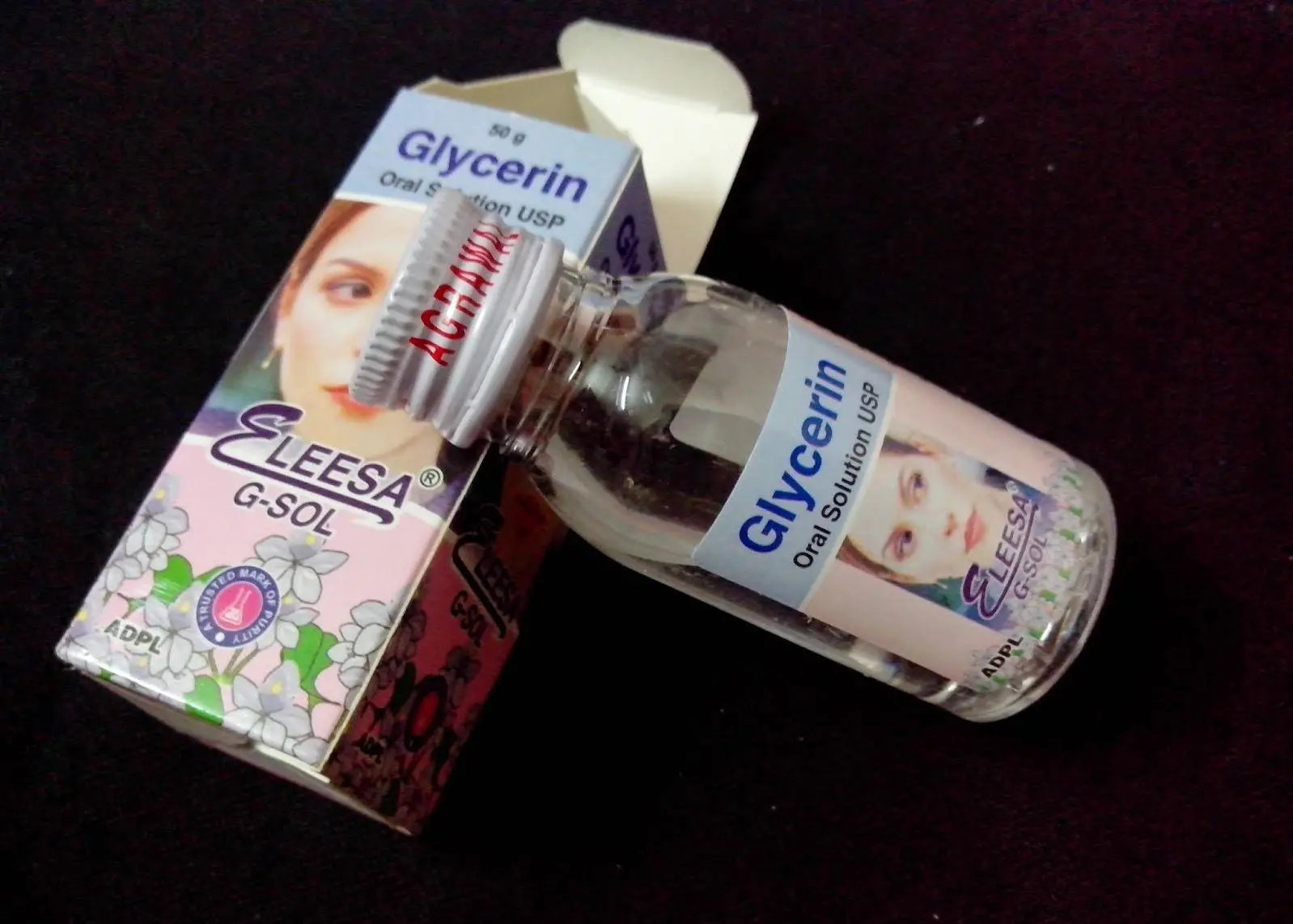
Despite all this, John McNeil of UK company Aquafuel Research explains that in many ways, glycerol is the ideal fuel: it is non-toxic – food grade glycerol is even used as a sweetener – and spills can be simply washed away with water. It has no sulphur emissions, reduces particulates to practically zero, produces very low NOx emissions, and glycerol even has a high flashpoint, being almost impossible to ignite under normal conditions. Last but not least, at present, large quantities of it go completely to waste every year.
But there’s still that major hurdle: “The cetane number is the really lovely one, it’s -10,” he explains: “All the academic papers say that it’s not possible to burn glycerol… so we just got on and did it – and to prove it we have been running engines on glycerol at full power for over 8,000 hours.” The ability to use it as a marine fuel source was demonstrated at the recent Seawork event in Southampton, UK, where a genset ran happily for the whole show onboard Gardline’s Dalby Swale.
So, what makes glycerol worth reconsidering? Although the calorific value of glycerine is not particularly great, at just 16.1 MJ/kg it is well under half that of biodiesel, but it is unbelievably dense and at 1,260kg/m³ it is actually denser than water. So if you compare the calorific values of diesel, biodiesel and glycerine per unit volume rather than mass, you get 37.3 MJ/litre for diesel, 33.2 MJ/litre for biodiesel and 20.28 MJ/litre for glycerine, which for a fuel looks a lot more realistic. Further, as a product of an organic process, it has a partly oxidised character which gives it that particularly low cetane number quoted by Mr McNeil, giving it a very clean burn if you can get it to combust. This means it can actually be more thermally efficient than either MDO or HFO, which as a bonus results in lower carbon emissions. Plus, of course, it has its renewable nature, which raises its carbon efficiency to 97% per calorie, a very good thing for future-proofing designs against coming legislation.
Also on the plus side there are no additives required for glycerine, fuel remains useable with up to 30% water contamination without causing issues and its shelf life is typically around five years – rather than the three months now recommended for biodiesel.
As for the ‘stickiness’ that makes it so useful for cough medicines, this drops dramatically with temperature and at 90°C its viscosity is about 13cSt – the same as that of fuel oil.
Many marine engines could be able to handle adaptation: this would include of course glycerine fuel piping and delivery; while some modification is required for a glycerine start, standard injectors can be used and there’s no need for glow plugs or heating of the tanks. There’s also some necessity for the automation of fuel and air valves, but Mr McNeil says that if the vessel is well equipped with up-to-date technology, this doesn’t actually need too much modification.
However, one issue is that because of the lower calorific value, vessels would need to carry larger volumes of glycerine to that of traditional fuel oils. Mr McNeil does explain that this should not be so much of an issue as the low-hazard nature of glycerine means that such storage would be much more easily incorporated into vessel hull space than traditional inflammable or toxic fuels.
While at the moment there is plenty to go around, as biodiesel production produces glycerine as a waste product, this would only answer a small part of a growing market’s needs and Mr McNeil believes that this will be capped eventually as it’s not a carbon-free process.
He points out there could be a particularly rich source from growing algae – and this in itself would provide a farming solution that might even bolster advancing economies as it doesn’t require huge amounts of fresh water: the algae Dunaliella salina thrives on saline and the higher the salt content, the more glycerine it produces.
The issue with this is that, as Pat Harvey of the University of Greenwich explains, “the sums don’t add up”. You can provide raceways and infrastructure, but fuel grade glycerol would not command a premium price. However she points out that the Dunaliella salina algae is presently making Beta Carotene, and if you used the same raceways to harvest pharmaceuticals as well as glycerol then suddenly it makes for a promising financial picture.
Work is underway on the bulk production of glycerol from algae and it is expected that production of millions of tonnes per annum will be possible within a reasonable time frame says Ms Harvey – if the financing can be sorted out.
Related Articles
 ALTERNATIVE FUELS & LUBRICANTS
 FUELS & LUBRICANTS