



Nordic Roadmap on course to a greener future
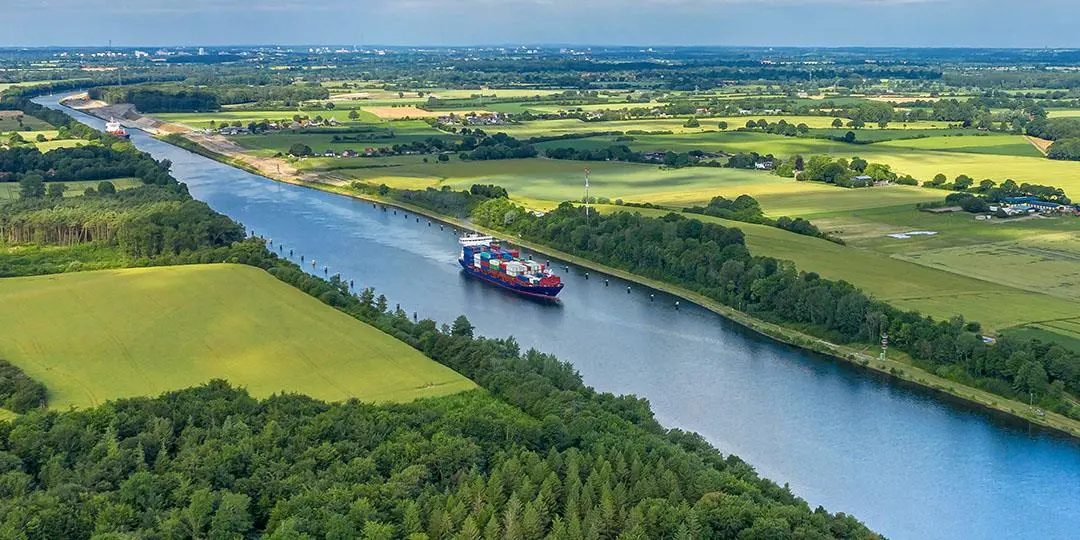
Led by DNV and funded by the Nordic Council of Ministers, the project brings together stakeholders from across the Nordic countries to set the strategy for a transition to greener fuels and kick off green shipping corridor pilot studies.
To date, the project has delivered ten technical reports focusing primarily on green shipping corridors and safety aspects of future fuels.
The roadmap highlights areas key to achieving the wider goal of decarbonisation by the IMO target of 2050. DNV believes collaboration and cross-party engagement is of critical importance if the roadmap is to succeed.
“We need to engage as many relevant stakeholders as possible from an early stage,” said Dorthe Alida Slotvik, consultant in environment advisory at DNV Maritime, and part of the DNV team steering the Nordic Roadmap project. “This includes governments, shipowners, cargo owners, ports, energy suppliers and many others, all collaborating to find greener solutions for the Nordics.”
Safety is also paramount with a focus on, for example, the toxicity of ammonia and the explosivity of hydrogen.
“We cannot go green without doing it safely,” said Linda Sigrid Hammer, principal consultant at DNV and safety task leader of the Nordic Roadmap project. “Any accident involving a new ship fuel would, in addition to the risk to persons directly involved, be a serious setback for the use of this fuel for the whole industry.”
Once these topics have been addressed, the plan is to create a further roadmap – the Nordic Fuel Transition Roadmap – proposing specific goals and actions to achieve decarbonisation.
This new roadmap will focus on three barriers to transition, namely the lack of demand for and high cost of zero-emission fuels, low availability and lack of bunkering infrastructure, and the technical immaturity and lack of safety regulations. It is hoped that green shipping corridors will resolve these issues by creating demand and encouraging investment into infrastructure.
“We have a ‘chicken and egg’ problem for the demand and supply of zero-emission fuels, where there is a lack of certainty and clear signals on both ends,” said Slotvik. “Green shipping corridors can help to solve this for a specific route by getting partners to sit around the same table, discuss the business case, and agree on a balanced and certain supply and demand.
The Nordic Roadmap project has identified 81 potential green shipping corridors and shortlisted six promising routes in the Nordics. The project is now initiating the first three green shipping corridor pilot studies, focusing on hydrogen, ammonia and methanol.
Related Articles
 AMMONIA
 AMMONIA
 AMMONIA