



Partnership will capture CO2 to produce methanol feedstock for Power-to-X fuels
The companies plan to use European Energy’s expertise in capturing carbon dioxide from waste sources (carbon dioxide produced from anaerobic digestion, power production, fermentations, and cement manufacture) to produce methanol. Vertimass’ technology will then be used to convert that methanol into jet, diesel, and gasoline fuels and chemicals. The team completed an initial proof of concept laboratory research for coupling their technologies earlier this year.
“European Energy is committed to take a central position in the green transition and use so-called Power-to-X processes to bring renewable electricity into sectors that are difficult to electrify directly,” said Søren Knudsen Kær, Head of Technology, Power-to-X of European Energy.
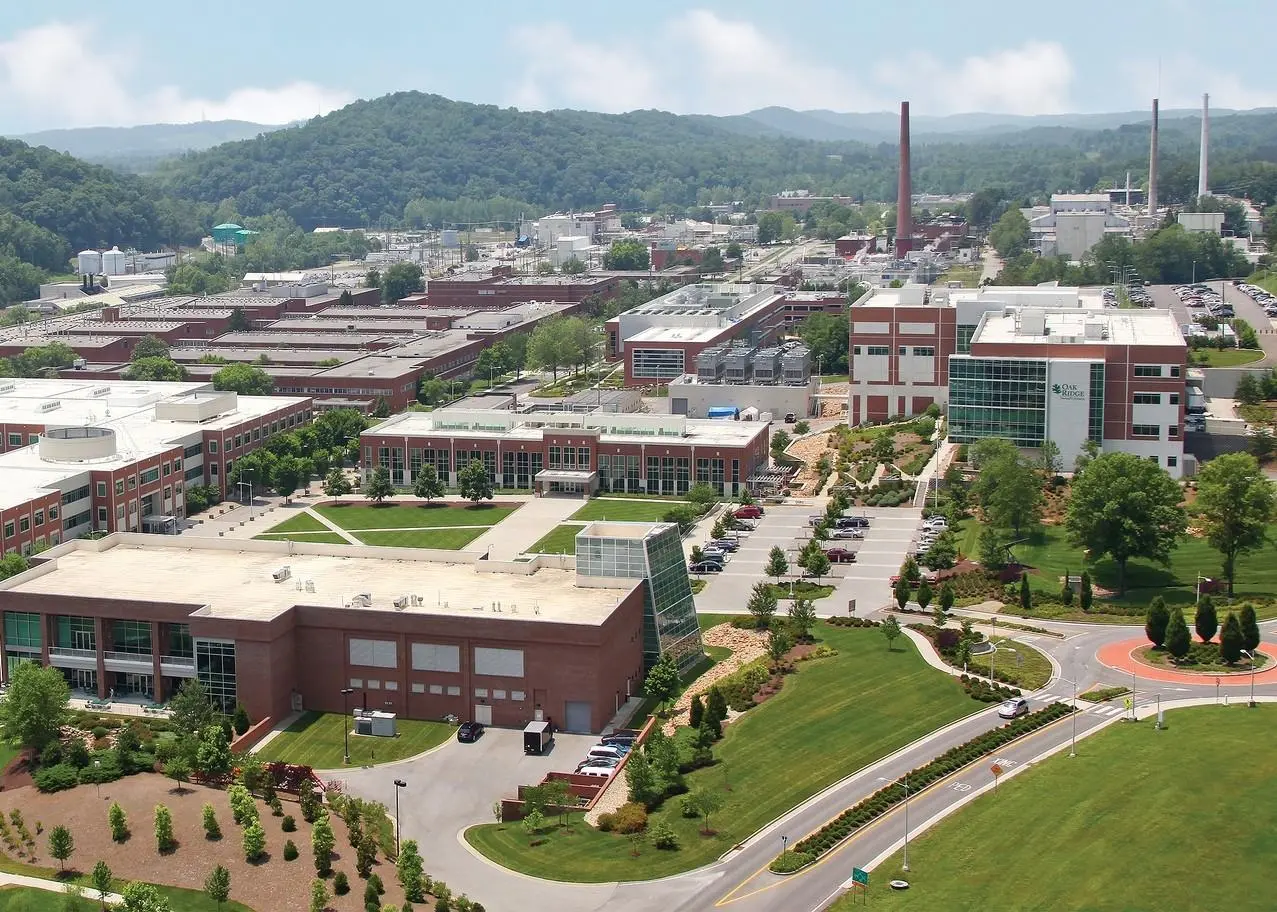
Vertimass is developing a unique Consolidated Alcohol Deoxygenation and Oligomerization (CADO) technology which completely converts wet ethanol (and other alcohols) into targeted hydrocarbons in a simple reactor system at moderate temperatures and near atmospheric pressure without adding hydrogen. Vertimass’ technology originated from Oak Ridge National Laboratories operated by UT-Battelle, with Vertimass obtaining worldwide exclusive rights in 2014.
The deal with European Energy follows that of a 15-year agreement that enables UGI Corporation to use Vertimass’s catalytic technology to produce renewable fuels from renewable ethanol in the USA and Europe. Renewable ethanol will be converted into renewable propane and sustainable aviation fuel.
Renewable propane is chemically identical to fossil LPG and therefore can be used with existing infrastructure. It has up to 80% lower carbon footprint than that of conventional LPG.
UGI expects to invest either solely, jointly with Vertimass or in partnership with third parties to build and operate multiple production facilities over the next 15 years in locations across the U.S. and Europe. The company anticipates a total investment of roughly $500 million for the bolt-on production facilities over a 15-year period, including potential third party investment, with total production target from these aggregated facilities of approximately one billion gallons of combined renewable fuels per annum. The goal is to have the first production facility onstream in fiscal year 2024 with an annual production target of approximately 50 million gallons of combined renewable fuels.
Related Articles
 ALTERNATIVE FUELS & LUBRICANTS
 ALTERNATIVE FUELS & LUBRICANTS
 ALTERNATIVE FUELS & LUBRICANTS