



PFF Conference highlights future shipping fuels
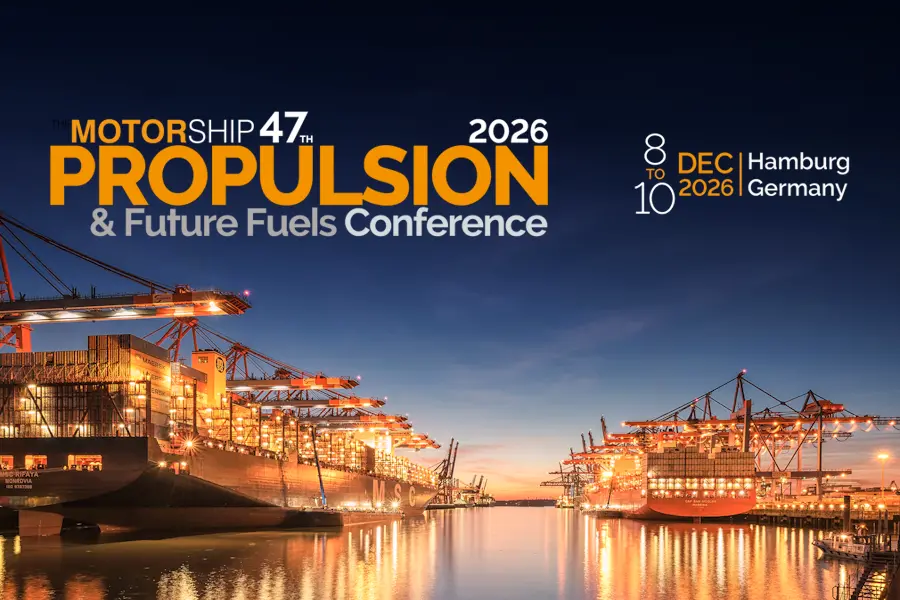
The three-day event will bring together shipowners, engineers, fuel specialists and senior decision-makers to examine practical pathways for decarbonising global shipping, alongside advances in hull design, propulsion efficiency and compliance requirements.
Discussions will cover a wide range of fuel options and technologies, including methanol, ammonia, hydrogen and LNG, as well as biofuels and wind-assisted propulsion. Delegates will also assess onboard carbon capture, bunkering infrastructure challenges and the integration of propulsion systems to improve vessel performance and efficiency. Nuclear propulsion and its regulatory and operational implications for commercial shipping will also feature among the technical topics.
The conference builds on longstanding industry dialogue, continuing a legacy of more than four decades of events focused on propulsion and emissions. It remains a key forum for evaluating alternative fuels such as ammonia, hydrogen, methanol and biofuels, all of which are becoming central to meeting carbon reduction targets.
With the sector aiming for significant emissions cuts by mid-century, the event will provide insight into balancing investment decisions with evolving regulatory and technological landscapes.
“The Propulsion & Future Fuels Conference is always one that is interesting to visit because it is one of the few conferences where I find that I might learn something,” said Edward Ng, general manager – Technology, Gulf Oil Marine Ltd.
The event is designed to encourage networking and collaboration across the maritime value chain, supporting the development of sustainable propulsion strategies and future fuel adoption at scale.
The conference date has been moved one week later than originally scheduled to avoid overlap with International Maritime Organization MEPC meetings.
Related Articles
 AMMONIA
 AMMONIA
 AMMONIA