



Pilbara Ports plans ammonia bunkering
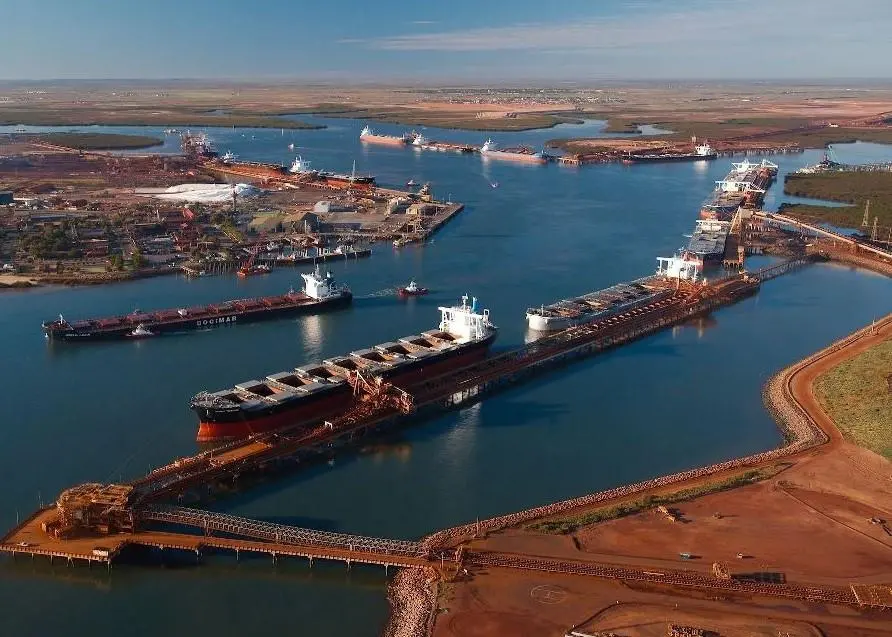
The companies will assess the potential ammonia demand and required bunker infrastructure, leveraging off the existing world-scale ammonia production facility Yara Pilbara. They will also conduct a safety analysis and develop ammonia bunkering guidelines. The joint assessment is planned to take approximately one year.
As the world’s largest bulk export port authority, PPA CEO Roger Johnston says it has a strong commitment to safe operations and sustainable shipping. The authority encompasses the ports of Ashburton, Dampier, Port Hedland and Varanus Island. PPA handles more than 17,000 vessel movements a year, with an average of 35 vessels per day.
Headquartered in Norway, Yara Clean Ammonia operates the largest global ammonia network with 12 ships and has access to 18 ammonia terminals and multiple ammonia production and consumption sites across the world, through Yara.
“The potential of ammonia as a fuel to effectively decarbonise the maritime industry is very clear. However, some questions remain on how to maximise safe and efficient fuel delivery in a port environment. This collaboration with PPA intends to address these questions and consequently will help fast-track ammonia as a zero-carbon fuel in the region,” says Murali Srinivasan, SVP and Commercial Head of Yara Clean Ammonia.
Last year, Yara Pilbara and ENGIE announced the construction of a renewable hydrogen plant to produce renewable ammonia with funding support from the Australian government. Scheduled for completion in 2023, the facility will be one of the world’s first industrial-scale renewable hydrogen production operations.
The project, which builds on the Pilbara’s renewable energy potential, comprises the development, construction and operation of a renewable hydrogen plant within the existing Yara Pilbara ammonia plant to deliver green ammonia to customers for decarbonising emissions from power generation, shipping, fertiliser or mining explosives.
The project will involve a 10MW electrolyser, an on-site facility of photovoltaic panels, and a battery storage system that will allow the plant to operate without being connected to the main electrical grid.
The first phase of the project will produce up to 625 tons of renewable hydrogen and 3,700 tons of renewable ammonia per year. The facility will become the “Pilbara Hydrogen Hub” building on existing export infrastructure.
Related Articles
 ALTERNATIVE FUELS & LUBRICANTS
 ALTERNATIVE FUELS & LUBRICANTS
 ALTERNATIVE FUELS & LUBRICANTS