



Port of Antwerp at heart of new Belgian H2 strategy
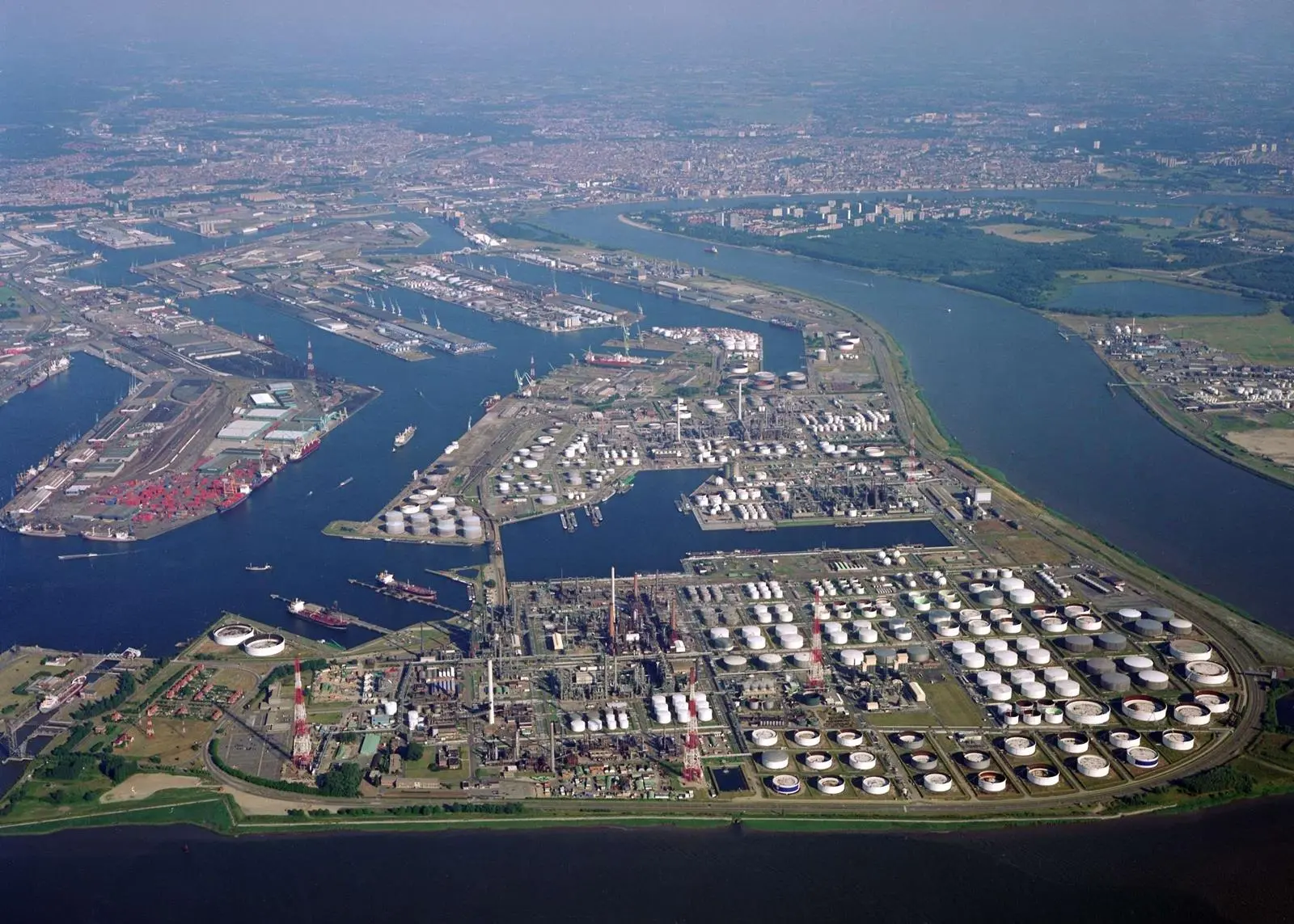
The planned modification, which was announced by Prime Minister Alexander De Croo, includes the establishment of a federal hydrogen council.
The strategy plans to position Belgium as an import and transit hub in Europe for green hydrogen, as the transition to 100% renewable energy will require significant imports of renewable hydrogen, to supplement an expansion of Belgian’s domestic renewable hydrogen production capacity.
Key role for Port of Antwerp-Bruges
Belgium lies at the centre of several important industrial clusters and at an energy crossroads in the heart of Europe. The Port of Antwerp-Bruges sees a key role for itself in the import, local production, processing and throughput of green hydrogen and hydrogen carriers (such as ammonia and methanol) to the hinterland.
From 2026, the port of Antwerp-Bruges plans to begin receiving renewable hydrogen imports. To strengthen its position, Port of Antwerp-Bruges has formed a hydrogen import coalition together with four major industrial partners and public stakeholders: DEME, Engie, Exmar and Fluxys. The port is working to expand terminal capacity for existing and new hydrogen carriers at both port sites. In addition, the government is funding a network of hydrogen pipelines that will connect ports to Belgian industrial areas and Germany by 2028.
Local production
The new strategy envisages the expansion of renewable hydrogen production at the ports of Zeebrugge and Antwerp. Zeebrugge is the ideal location for the construction of a plant for the production of green hydrogen due to the presence of wind farms and natural gas infrastructure. Fluxys and Eoly are responsible for the construction of this plant under the name HyoffWind. American company Plug will also build a green hydrogen production plant in Antwerp, conveniently located near Europe’s largest chemical cluster.
Related Articles
 AMMONIA
 HYDROGEN
 HYDROGEN