



Power configuration slashes cable layer costs
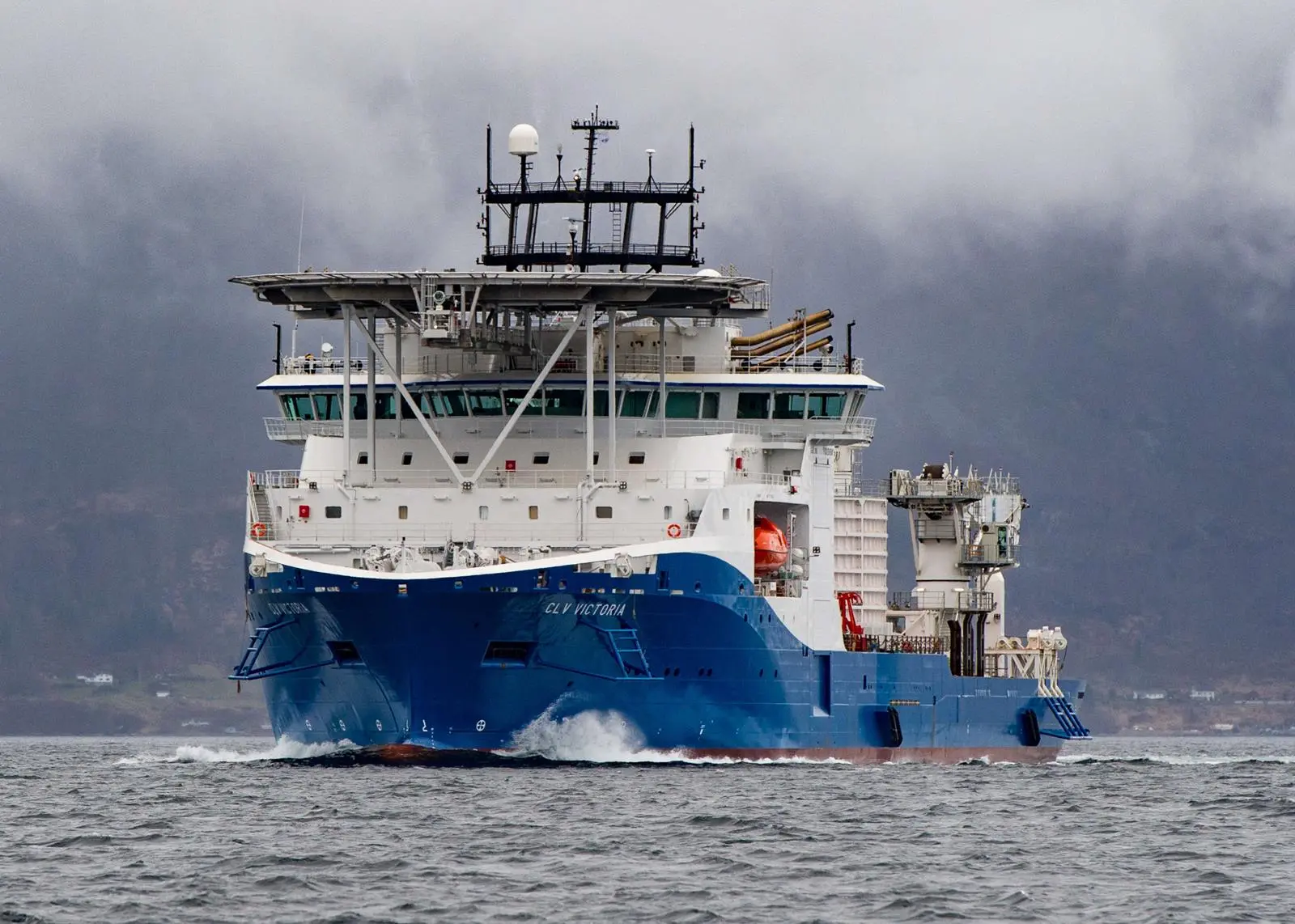
The 140m NKT Victoria features a diesel-electric propulsion configuration – six 2.24MW Cat 3516C engines coupled to ABB variable speed gensets – with a 156kWh energy storage system. Power is distributed via ABB’s Onboard DC Grid system, which allows the ship’s engines to work at variable speeds and draw on stored energy for peak load shaving and during dynamic positioning.
The main cable laying equipment on board is also fed directly from the DC switchboard and, when braking, energy is fed back into the power system. A shore power connection means that NKT Victoria consumes no fuel and produces no emissions when loading cable. The measures have resulted in a reduction in CO2 emissions of about 60%, with NOx emissions also slashed by 60-80% thanks to the use of selective catalytic reduction.
“We are really impressed with the impact that has been made by ABB technology on board and in particular the Onboard DC Grid package,” said Lars G Carlsson, vice president – offshore operations, NKT. “Our experience over the first year has inspired complete confidence in Onboard DC Grid’s efficiency and reliability.”
Three Azipod thrusters are among 36 vessel components generating over 1,500 signals and a daily 80MB data package for analysis on board, sent on to ABB Ability’s Collaborative Operation Centers for remote vessel performance and diagnostics support. NKT Victoria also benefits from ABB’s Performance Management System and Voyage Advisory System, which help crew optimise energy efficiency decisions.
The DP3 vessel was conceived, developed and delivered under a close collaboration between NKT, Salt Ship Design and ABB.
Related Articles
 PROPULSION
 GENERAL NEWS
 HYDROGEN