



Preparing for ECA 2015: how to prove compliance
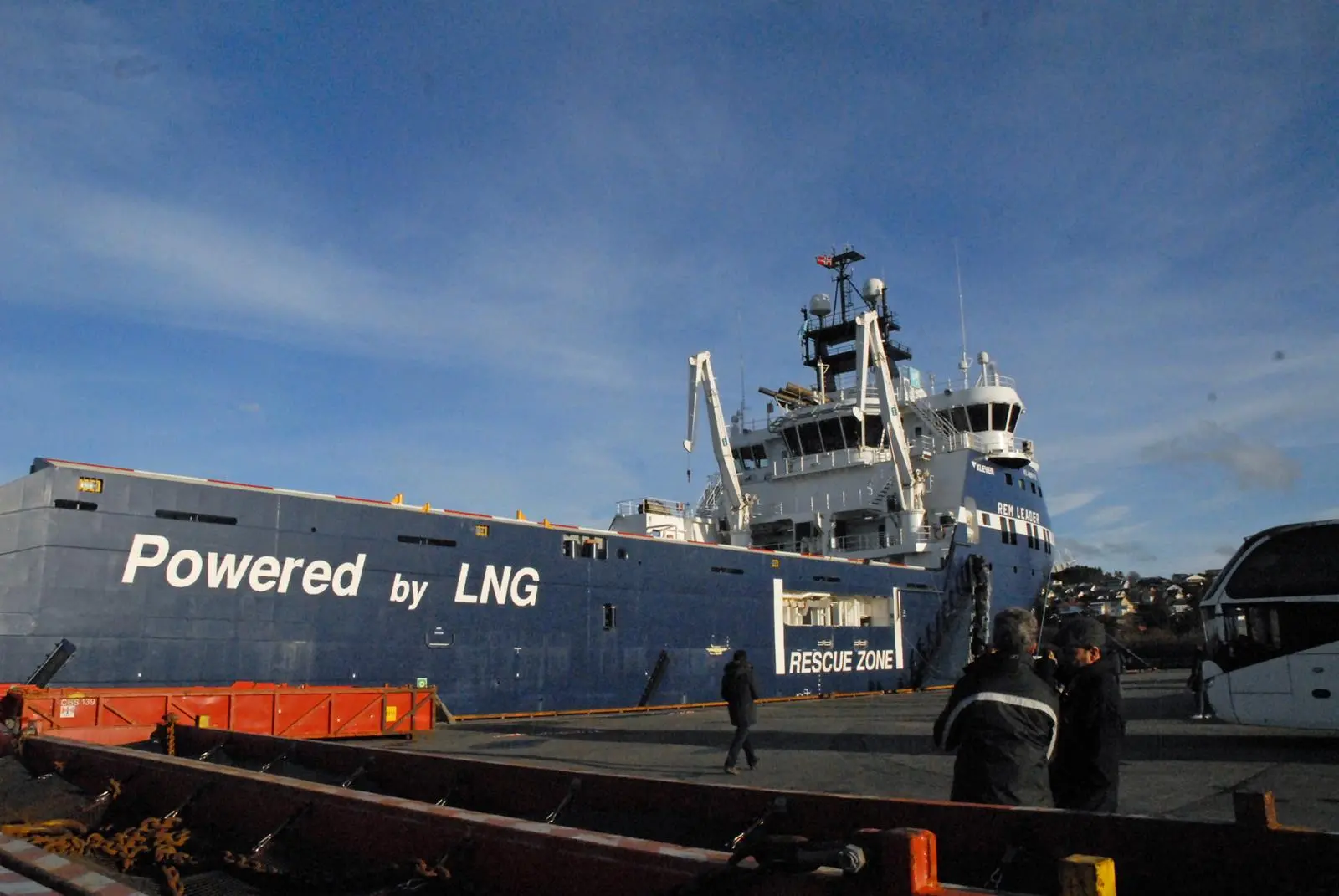
From 1 January 2015, new Emission Control Area (ECA) regulations came into force. Ships travelling within designated zones must limit the amount of sulphur in the ship emissions to 0.1%. This has decreased from the existing sulphur limit of 1%, forcing many shipping operators to rethink their fuel procurement strategy and shipping routes. Furthermore, this situation is made more complicated by the lack of clarity surrounding the reporting of compliance. The International Maritime Organisation (IMO) has not yet decided how ship captains must prove compliance.
After the 2015 sulphur limit comes into force, ship operators will face a global sulphur limit. The emissions limit of 0.1% will remain inside ECAs. Outside ECAs, however, the limit will drop from 3.5% to 0.5%. This limit will come into force in either 2020 or 2025. The exact date is yet to be determined but it is clear that shipping operators will need to change their behaviour soon.
Ship operators have several options to ensure they comply with the new ECA regulations. A common choice will be to burn gas oil which is lower in sulphur but more expensive than traditional fuel oil. Fuel makes up around 60% of a ship operator’s total shipping costs so any increase in this expense will have a large impact on the total cost of shipping.
The rising cost of fuel and decreasing demand for shipping have elevated bunkering to board level. Despite the current market conditions, shipping operators can become competitive by reducing their own costs. Even a small reduction in costs can have a big impact. A 2% saving on the cost of fuel, which for an average shipping company is $8 million a year, works out at $160,0000.
$160,000 is a significant saving for any company. This can be achieved by planning ahead. Bunkering at the nearest port might be the more expensive option. Travelling to a cheaper port further away could save operators money. To get the best deal at these ports, operators need information at their fingertips while at sea. By timing their purchases and having enough pricing information to negotiate, buyers can get the cheapest fuel.
By combining negotiating power with optimum shipping routes and appropriate fuel usage, operators can save costs, giving them a competitive advantage. Just a 2% saving on fuel costs for a fleet of ships can make a real difference to a shipping company.
Another way to reduce costs is to avoid ECAs completely as this eliminates the need for low sulphur fuel but the increased distance may increase the fuel bill more than using low sulphur fuel. On the other hand, burning low sulphur fuel outside of ECAs is a waste of money and a valuable resource. To avoid this, ship operators should burn low sulphur fuel only within ECAs. However, a ship engineer may need anything up to 24 hours notice to switch between fuel oil and low sulphur fuel but this switch must be made before the ship enters the ECA. Not only will the captain need to be aware of ECA boundaries, but they must also know how far away from the boundary the fuel switch over should take place. The team on land, however, needs information about the whole fleet to ensure ships are switching fuel at the right time. By viewing the compliance status of all the ships at once, operators are alerted to a problem if a ship doesn’t switch fuels.
Given the high cost of low sulphur fuel and the irregular enforcement of sulphur regulations, some operators might be tempted to risk fines from local coast guards. Not only does this risk the reputation of the company with its customers and investors, but the captain risks seizure of the ship leaving it unable to earn money.
While some operators might choose not to comply, others may fall foul of guidelines because the format of reports to prove compliance have not yet been decided. As there is still a level of uncertainty shipping companies need a tool that is able to analyse and report on all bunkering data. This way, they can be sure they will have the correct information available to prove compliance.
Incoming ECAs are forcing change within the shipping industry. Not only do shipping companies need to comply with new regulations, they also need to prove compliance. The format of this has not yet been decided. With the right tools, operators can comply and make significant savings on their fuel bills. Cloud-based software can alert ship captains when they need to change over fuel, help companies get the best deal on fuel and ensure operators have all the information needed to prove compliance. In an increasingly oversupplied market, ship operators can become competitive now while preparing the company for ECA 2015 and the future global regulations.
Related Articles
 ALTERNATIVE FUELS & LUBRICANTS
 FUELS & LUBRICANTS