



Reducing sludge can save fuel
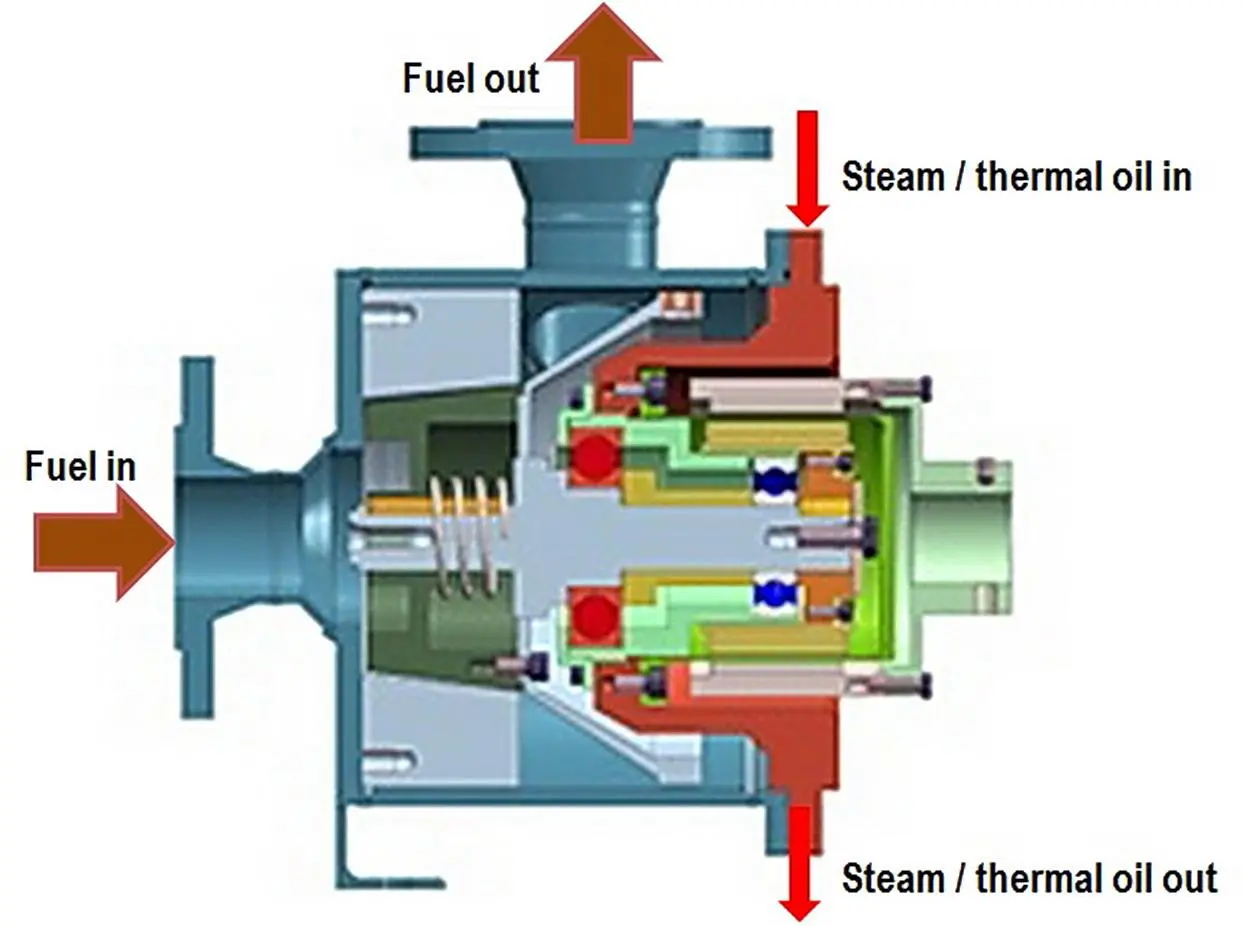
The latest version of the Lemag Fuel Quality Homogenizer has been installed on several ship applications. The company says that HFO can contain high concentrations of impurities, including high levels of asphaltenes, while fuel properties such as density and viscosity can be somewhat variable. Also observed is an increase in tendency toward incompatibility from over-blending residual oil with distillate, resulting in excessive fuel sludge production. The fuel sludge created is primarily asphaltene, which represents burnable hydrocarbons. These sludge impurities are normally removed by centrifugal separators and filters, for disposal on shore at high cost.
Fuel homogenisation reduces sludge and improves combustion, resulting in cost savings, and can also help reduce exhaust emissions. The company cites the example of a diesel engine burning HFO at 40t/day and producing 1% fuel sludge. At current high fuel prices, and even higher disposal cost, this can result in a financial loss amounting to more than $10,000/year. Should sludge production be increased throughless efficient fuel handling systems, the financial picture becomes even bleaker.
The sludge comprises primarily asphaltenes as large as 120 microns, which cannot be burned in their present physical state. Additionally, when the sludge is removed by separation systems and disposed of, disposal fees mean that the fuel is effectively paid for twice without any energy benefit.
The Lemag homogeniser breaks up the long carbon asphaltene chains in the fuel and enables these to be burnt. This can be equivalent to more than 1% fuel savings, and if sludge is reduced by half then both ship owner and charterer are likely to benefit.
The fuel-oil homogeniser is based on the stator-rotor principle. A conical rotor with an efficient grinding profile runs against the stator with large clearance but high rotating speed. This creates the strong frictional forces required to break up the long asphaltene chains. It does not however alter cat-fines. These have to be removed by separators to avoid the fuel acting as a ‘lapping paste’ for the fuel system components and engine cylinders.
For best results, one homogeniser can be installed in front of the purifier (with a large gap between stator and rotor to protect the cat-fines for separation by the following purifier) and a second homogeniser inside the booster circuit in front of the last filter to improve the fuel quality directly before injection, and if necessary to shredder flocks when created by incompatible fuel at high fuel temperature. The second homogeniser can be adjusted to a very small gap, because most of the cat-fines have been removed by the separators. The company recommends fuel samples should be periodically sent for analysis to ensure the separator is functioning correctly.
According to Lehmann & Michels, the homogeniser is suitable for new buildings and as retrofit installations, and can be supplied with an optional integrated bypass valve. Any condensed water from the service tank, which can occur if service tanks are not cleaned regularly, will be emulsified into the fuel by the homogeniser. Rendering it harmless.
The company recommends fitting a safety homogeniser because the homogenization process increases the fuel temperature. This is not a problem in normal operation, but should the flow be interrupted, the stagnant fuel will heat up by about 3.5°C/minute, which can cause the equipment to fail. To avoid the risk of fire the safety-homogeniser will shut off the unit if the temperature becomes higher than 150°C.
Further advantages claimed for the Lemag FQI safety homogeniser include a stepless adjustment of the gap between stator and rotor. This process does not require the housing to be opened and is carried out using a central adjuster with only one adjusting nut to avoid possible jamming. Wear and tear of the unit’s magnetic coupling and bearing is reduced due to the use of inner heat pockets made of stainless steel, which avoids damage caused by cold residual fuel during start-up.
The company says that fuel homogenisation provides both economic and ecological benefits. It provides ship owners with a new opportunity to effectively burn poor quality fuel oil, improving their financial picture by reducing fuel wastage, while simultaneously reducing harmful exhaust emissions, exhaust deposits and sludge disposal.
Related Articles
 ALTERNATIVE FUELS & LUBRICANTS
 FUELS & LUBRICANTS