



Shell aims to double its LNG bunkering network
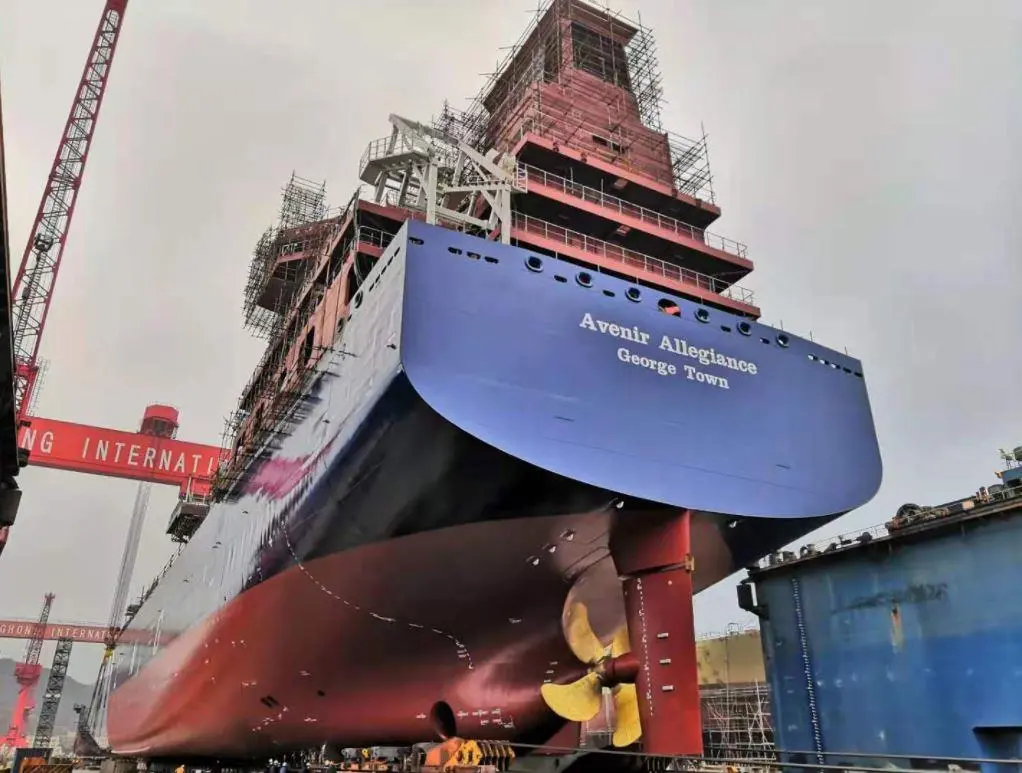
The company has completed more than 400 ship-to-ship LNG bunkering operations in seven countries and eight ports, including Rotterdam, Barcelona, Tenerife, La Spezia, Gothenberg and Jacksonville. In 2021, Shell carried out its first LNG bunkering operations in Gibraltar and Singapore and the first bio-LNG bunkering trial in Rotterdam.
Shell believes that low-carbon solutions include hydrogen and ammonia in the long term, and LNG, biofuels and methanol in the short term. In 2021, it signed agreements to charter 10 new crude tankers powered by dual-fuel LNG engines.
“In a time of great uncertainty, it is vital that our long-term energy transition strategy remains on track,” said Ben van Beurden, Shell’s CEO. “This report shows the strong progress we have made towards our target to become a net-zero emissions energy business by 2050.”
This progress includes critical investment decisions in the production of low-carbon fuels, solar and wind power, and hydrogen, and significant changes to Shell’s upstream and refinery portfolios. The company has also simplified its share structure and moved its headquarters to the UK from the Netherlands.
In 2021, Shell continued to work with customers across sectors, from aviation to marine and road freight, forming more than 50 collaborations with other leading companies. “We are building a leading hydrogen business, and now operate 10% of total electrolyser capacity in the world,” said van Beurden. “We are already one of the world’s largest producers of biofuels through our joint venture in Brazil. And last year we started building one of Europe’s biggest biofuels facilities.”
By 2025, Shell expects around half of its total expenditure (cash capital expenditure and operating expenses) to be on low- and zero-carbon products and services including biofuels, hydrogen, power, charging for electric vehicles, carbon capture and storage, nature-based solutions, chemicals and lubricants. In 2022, it expects that around one third of its total expenditure will be on these low- and zero-carbon products and services.
The report shows Shell’s progress against concrete climate goals. Last year, the company set a new target to reduce absolute emissions from its operations and the energy it uses to run them by 50% by 2030, compared with 2016 on a net basis. By the end of 2021, Shell had made a reduction of 18%.
Shell also achieved its short-term target to reduce the net carbon intensity of the energy products it sells by 2-3% by the end of 2021, compared with 2016. The company is now working towards a 9-12% reduction in net carbon intensity by 2024, and a 20% reduction by 2030, both compared with 2016.
“We are helping our customers to identify and use low- and zero-carbon alternatives to the energy products they have used for many decades: renewable electricity and hydrogen to power homes, cars, trucks, businesses, and industry; biofuels for cars, trucks and planes; LNG for power, trucks and ships; and carbon capture and storage and nature-based carbon offsets to deal with any remaining emissions,” said Andrew Mackenzie, Shell Chair. “We see great business opportunities for Shell in the fast-growing low- and zero-carbon markets where we are well positioned to provide the different products and solutions our customers need.”
In January 2022, Shell signed a contract with thyssenkrupp for the supply of the electrolysers for a new facility that will produce green hydrogen at the Maasvlakte in the Port of Rotterdam. Green hydrogen will be produced for industry and the transport sector, with electricity coming from the Hollandse Kust offshore wind farm.
Shell also started operations at the 20MW power-to-hydrogen electrolyser facility in Zhangjiakou City, Hebei Provence, China.
Globally, Shell has announced numerous decarbonised Hydrogen projects from renewable sources, including REFHYNE in Germany and in the Netherlands, NortH2, Holland Hydrogen I, Hydrogen Innovation Hub at GZI Next Emmen, and Groningen hydrogen fuelling station.
Related Articles
 ALTERNATIVE FUELS & LUBRICANTS
 ALTERNATIVE FUELS & LUBRICANTS
 ALTERNATIVE FUELS & LUBRICANTS