



Shell doubles down on Dutch hydrogen strategies
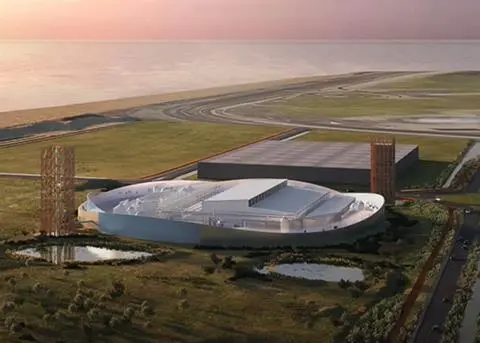
As part of the energy giant’s energy transition plans, it is planning to establish a 200MW electrolyser plant at Maasvlaakte. The plant is expected to be Europe’s largest electrolyser plant when it begins supplying green hydrogen produced from renewable electricity from offshore wind energy to Shell’s Pernis refinery at Botlek.
The scale of the investment and its ambition is not in doubt: the investment in the 200MW plant is estimated at close to EUR1 billion, although much of that investment will go into infrastructure surrounding the plant. Shell will take the final decision for the investment later this year. If approved, the electrolyser is expected to become operational in 2024.
The investment is likely to include the creation of hydrogen pipeline HyTransPort and installation of electrolysers at the ‘conversion park’ at Maasvlakte. The first phase of 32-kilometres-long underground pipeline HyTransPort will end at Pernis. It is to be part of the pipeline corridor the port of Rotterdam plans to construct for renewables. The pipeline will eventually connect the national hydrogen backbone and hydrogen storage facilities of HyNetwork Services as well as the international hydrogen network, which is envisaged in a subsequent phase 2.
A spokesman for Shell, Marc Potma, confirmed that Shell had a positive outlook on the role that hydrogen will play in the energy transition. The investment is aligned with Shell’s focus on investing in electrification and the production of other molecular energy sources throughout the supply chain that Shell aims to control.
The scheme brings together a number of interested stakeholders, and there are no fewer than five separate discussions with potential industrial consumers and/or producers of hydrogen.
Project timescale
Much of the preliminary work on the project has already been awarded. Shell has already selected thyssenkrupp to build the electrolyser plant, according to the design of architect company Kraaijvanger. In November 2021, Shell selected the Australian engineering enterprise, Worley, as the project lead on the technical integration of the electrolyser project.
The offshore wind farm from which the project will draw electricity, the 759MW Hollandse Kust Noord (HKN) wind farm, will become operational in 2023. The project had initially envisaged bringing the electrolyser plant into operation at the same time, but production is now expected to ramp up in 2024.
A pilot project
While the creation of the project will create significant volumes of green hydrogen, the production economics of green hydrogen remain challenging. Dutch energy expert Ed van Dort estimates that it will require 58kWh of electricity to process a kilo of hydrogen.
A Canadian colleague, Paul Martin, a co-founder of the Hydrogen Science Coalition, echoed van Dort’s concerns about the efficiency of the electrolysers.
“Green hydrogen’s chief economic problem as an energy storage medium is the cost of electrolysers and storage equipment- and distribution cost isn’t going to be as low as some expect either. Multiplying the low capacity factor of a wind or solar production unit by another seasonal capacity factor of say 0.5 or less doesn’t add up to a low capital cost per kg of hydrogen stored. This stored fuel would be very expensive indeed, even if the power itself were quite cheap.”
That was without considering the advisability of using green hydrogen as a direct substitute for grey hydrogen (produced from natural gas) in desulfurisation of fossil fuels at the refinery, Martin added.
That said, there was no shortage of potential Dutch partners, ranging from Tennet, which can build large offshore connectors, pipeline supplier Gasunie, supplier GasTerra, as well as potential electrolyser suppliers Nouryon Akzo Nobel.
Hydrogen was a core focus of knowledge and R&D hubs focused on hydrogen usage, while the ports of Amsterdam, Rotterdam and Groningen have all expressed interest in handling hydrogen carriers.
Optimistic views
The Port of Rotterdam’s director of new business Nico van Dooren confirmed this upbeat outlook. The port saw the rise of imports of hydrogen as the potential emergence of a new trade, while for other colleagues at the port, it offered a potential solution to reducing emissions.
Van Dooren noted that stakeholders in a number of other regions were examining the business case for producing renewable electricity from large-scale wind farms and world-scale photovoltaic fields. Van Dooren’s search for hydrogen imports has resulted in travels from Chile to Saudi Arabia, from Canada to Australia and from Texas to Morocco as well. All efforts are done in an attempt to make the Rotterdam port a European hub for renewables.
In his capacity as Port of Rotterdam Authority advisor, Sjaak Poppe added that the port also anticipates unexpected developments as a whole. The need and necessity to step up production of green fuels presented itself already some years ago in an attempt to reduce emissions in the port and North-western Europe in general.
Being aware of the current impact of actual sanctions the European Commission adjusted its ambitions for the import of hydrogen fuels from 5.6 million tonnes in 2030 to 20mn tonnes in 2050.
That is not enough for the demand for hydrogen in the Netherlands and in hinterland Germany, which is why the port of Rotterdam is in search of additional imports worldwide. The port’s ambition is to produce hydrogen for the Rotterdam-based industries and become the logistic hub for the European hydrogen economies. The port already collaborates with Shell, German leading steel company ThyssenKrupp and German energy producer RWE for hydrogen transportation into Germany.
European, Dutch and German financial support will help to connect inland port areas Moerdijk and Limburg-based Chemelot to materialise this.
Related Articles
 ALTERNATIVE FUELS & LUBRICANTS
 ALTERNATIVE FUELS & LUBRICANTS
 ALTERNATIVE FUELS & LUBRICANTS