



Shell starts up hydrogen electrolyser in China with 20MW production capacity
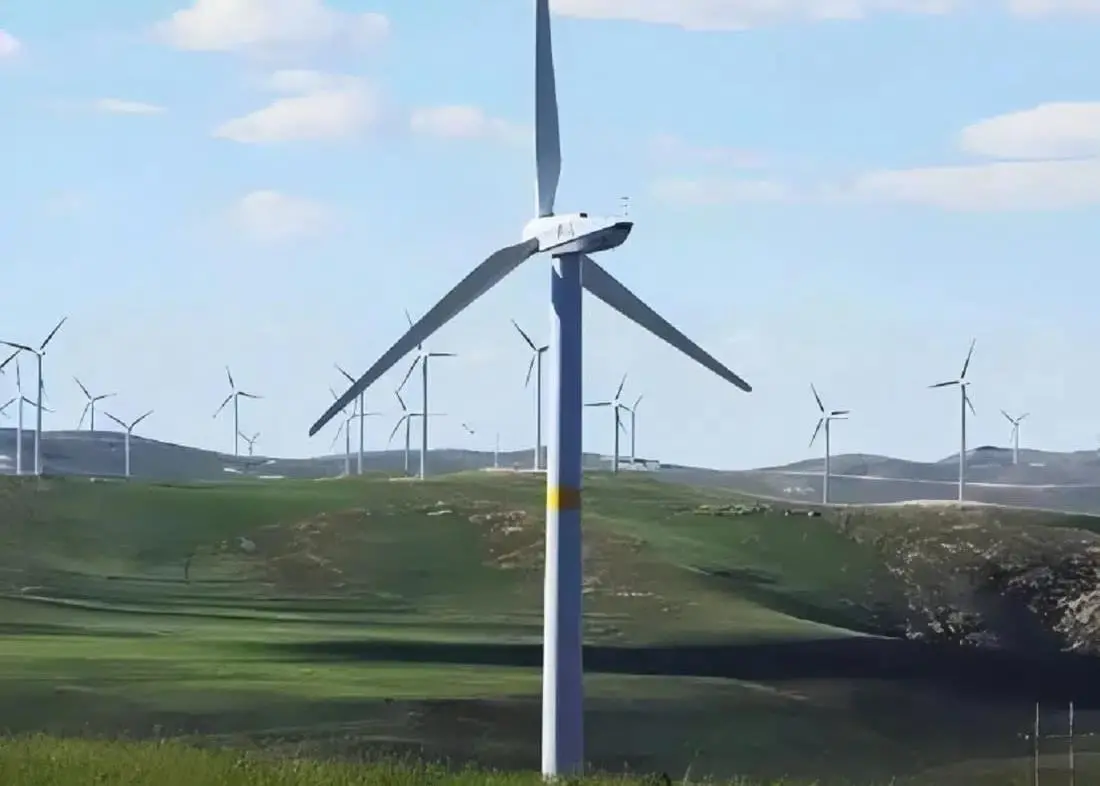
The electrolyser is one of the world’s largest hydrogen electrolysers and will provide about half of the total green hydrogen supply for fuel cell vehicles at the Zhangjiakou competition zone during the Winter Olympic Games, set to begin on 4 February 2022.
The project is part of a joint venture between Shell China and Zhangjiakou City Transport Construction Investment Holding Group. The 20MW power-to-hydrogen electrolyser and hydrogen refuelling stations in Zhangjiakou are phase 1 of the joint venture. The companies have plans to scale up to 60MW in the next two years in phase 2.
This is Shell’s first commercial hydrogen development project in China. Using onshore wind power, the project will initially supply green hydrogen to fuel a fleet of more than 600 fuel cell vehicles at the Zhangjiakou competition zone during the Winter Olympic Games. After that, the hydrogen will be used for public and commercial transport in the Beijing-Tianjin-Hebei region.
“The electrolyser is the largest in our portfolio to date and is in line with Shell’s Powering Progress strategy, which includes plans to build on our leading position in hydrogen,” said Wael Sawan, Shell’s Integrated Gas, Renewable and Energy Solutions Director. “We see opportunities across the hydrogen supply chain in China, including its production, storage and shipping. We want to be the trusted partner for our customers from different sectors as we help them decarbonise in China.”
Measured by production capacity, the world’s largest hydrogen electrolyser is 30MW and operated by Baofeng Energy in China, while the second largest is a 20MW one operated by Air Liquide in Canada. Shell’s Zhangjiakou Integrated Green Hydrogen Hub project is one of only three commercial-scale electrolysers in China today, alongside the 30MW one operated by Baofeng Energy and a 10MW electrolyser operated by HyPower in Hebei province.
Zhangjiakou City is 180 kilometres from Beijing and is strategically located at the junction of Beijing, Hebei, Shanxi and Inner Mongolia. Zhangjiakou City is rich in renewable energy resources such as wind and solar. In 2015, it was identified by the China State Council as the country’s first and only National Renewable Energy Demonstration Zone to explore pathways to accelerate energy transition and innovations in renewables sector. As the co-host city of the 2022 Winter Olympic Games, Zhangjiakou is tasked to provide low-carbon energy and low-carbon transport for this event, and hydrogen is critical for the city to deliver its plan.
The Motorship notes that the conversion of electricity from renewable sources into hydrogen represents a potential solution to the challenge of transporting electricity long distances from China’s north and west to coastal provinces, as well as grid balancing issues. These are discussed in IRENA’s May 2021 Electricity Interconnections in Northeast Asia report.
Globally, Shell has announced seven decarbonised Hydrogen projects from renewable sources, including REFHYNE in Germany and in the Netherlands, NortH2, Port of Rotterdam Green Hydrogen Hub, Holland Hydrogen I, Hydrogen Innovation Hub at GZI Next Emmen, and Groningen hydrogen fuelling station.
Related Articles
 ALTERNATIVE FUELS & LUBRICANTS
 ALTERNATIVE FUELS & LUBRICANTS
 ALTERNATIVE FUELS & LUBRICANTS