



Shipping sector faces fuel transition risks
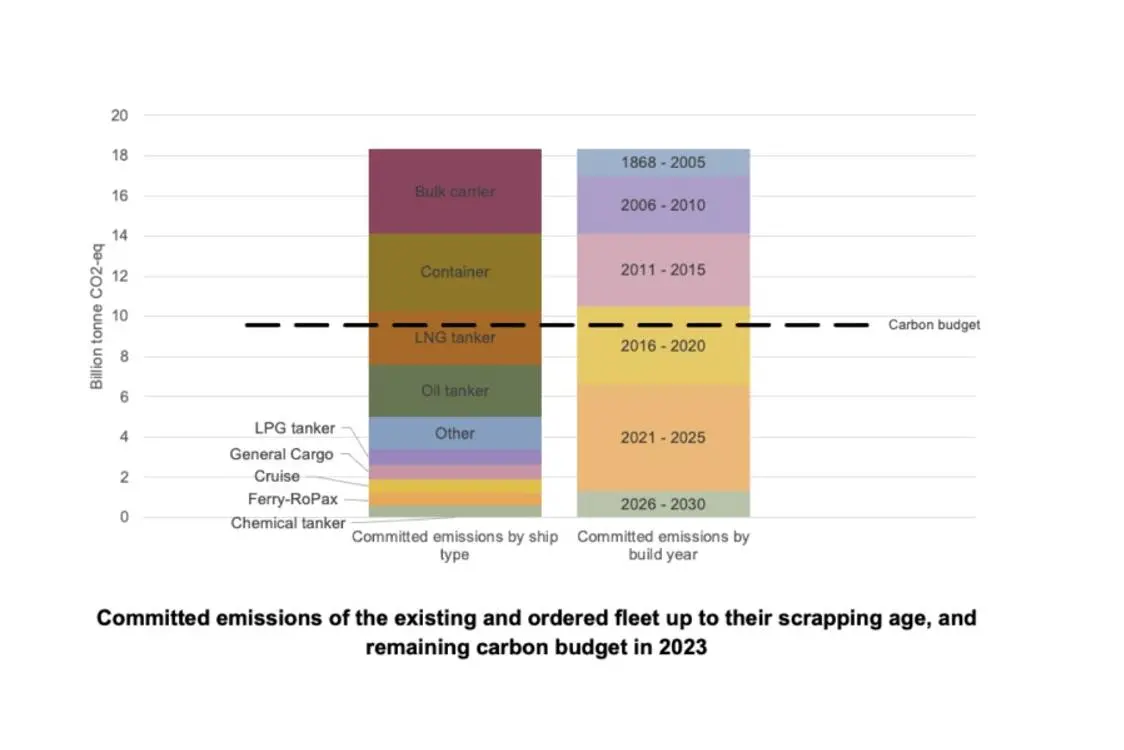
A report by the university’s Energy Institute Shipping and Oceans Research Group finds that a double whammy of obsolete vessels and decreased fossil fuel demand may leave investors having to make strategic choices if they are to remain competitive.
Over 40% of ships globally transport fossil fuels, and nearly all ships rely on fossil fuel-powered engines. The report highlights that to meet the shipping industry’s carbon budget, a substantial portion of the fleet – more than a third of its current and ordered value – must transition to zero-emission technologies or face early scrapping.
Additionally, as the global economy moves away from fossil fuels, demand for vessels that transport fossil fuels, particularly liquefied gas tankers, could significantly decrease by 2030.
“If existing ships can be retrofitted to competitive zero or near-zero technologies, much of the fleet at risk of being stranded could be saved, and this is a strong incentive for investors to invest in retrofittable ships,” said Marie Fricaudet, PhD student at the UCL Energy Institute.
“However, even those retrofits would come at a cost, so we expect some asset devaluation as the mid-term measures become more material.”
Many shipowners and financiers are not fully anticipating the rapid pace of this transition, which could exacerbate risks, say the researchers. Short-term transition risks, such as policy changes, litigation and technological advancements, are often not factored into investment decisions.
“This research shows that an investment strategy that is based on ‘watch and wait’ is a risky strategy as it could lead to rapid unanticipated write-downs and losses from forces within and outside the sector,” said Dr Nishatabbas Rehmatulla, principal research fellow at the UCL Energy Institute.
To mitigate these risks, the report suggests investing in energy efficiency, retrofitting ships for alternative fuel use and considering repurposing options to maintain asset value.
Related Articles
 ALTERNATIVE FUELS & LUBRICANTS
 ALTERNATIVE FUELS & LUBRICANTS
 ALTERNATIVE FUELS & LUBRICANTS