



Smarter coatings technology for chemical tankers
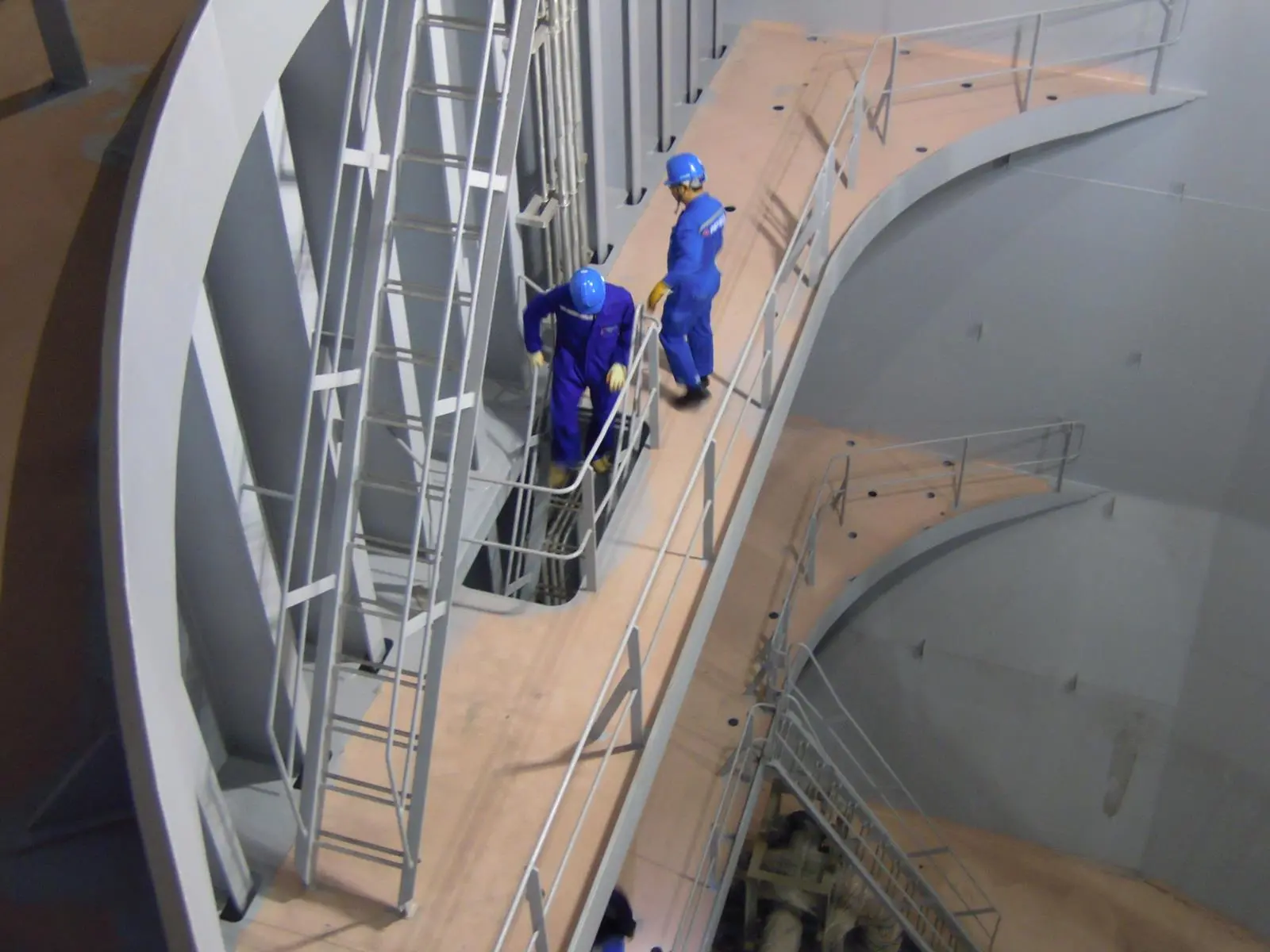
With enhanced cargo resistance, zero absorption for many cargoes and fewer cycling restrictions, Interline 9001 is claimed to simplify the carriage of a wide range of liquid cargoes, optimising vessel earning potential.
Modern chemical tankers of IMO ship type I, II and III are designed and equipped to handle a very wide range of liquid cargoes ranging from relatively innocuous materials such as vegetable oils to more aggressive types such as ethylene dichloride and caustic soda. Most vessels will have coated mild steel tanks, stainless steel tanks or a combination of both.
The most commonly used type of coating on mild steel tanks is epoxy phenolic, which provides broad cargo carriage capability but can absorb and retain certain cargoes. This can create a difficult cleaning challenge, and incur significant expense in time and money. The next most common type is zinc silicate. These coatings provide excellent resistance to solvents and pure chemicals but are not suitable for acids and alkalis. The rough surface can be difficult to clean, again costing time and money. Costs of on board cleaning are significant, often adding $100,000 or more to operating expenses, not counting manpower or cleaning material costs.
Interline 9001 is designed to deliver greater efficiency and flexibility in the operation of chemical tankers, easily switching from one cargo to the next with minimal downtime. It is claimed to carry all of the cargoes standard epoxy phenolic technology can, plus a further 25% of the large volume cargoes that it cannot and has over 60% fewer cycling restrictions.
Based on bimodal epoxy technology, Interline 9001 is a carefully engineered blend of polymers. Firstly, a combination of low and high molecular weight polymers creates a loosely bound, but highly crosslinked flexible network chain on ambient curing. The post cure process then locks these network chains firmly together to provide a highly chemical resistant paint film offering low absorption properties and easy clean whilst still maintaining flexibility to ensure crack resistance on welds when subjected to vessel flexing.
The technology opens up new (previously restricted) cargo sequences for the carriage of aggressive cargoes, for example, methanol to fatty acids to ethylene dichloride back to back, with no coating recovery required.
Its low cargo absorption profile reduces the risk of contamination between cargoes and combined with its smooth, glossy surface, can cut cleaning time and materials by up to 70% compared to standard epoxy phenolics or zinc silicates.
With reduced cleaning requirements, comes a corresponding reduction in fuel and CO2 emissions. In addition, a low volatile organic content (VOC) and 80% volume solids helps to enhance operator environmental profile.
Related Articles
 PROPULSION
 GENERAL NEWS
 HYDROGEN