



Status, certification and training of ships’ electrical engineers
Before a ship can sail away from a port there is a requirement to have at least one licensed Master Mariner and one licensed Chief Engineer on board. Presently there are no such requirements for Electrical Engineers, which given the extend and sophistication of the electrical system on modern ships, particularly cruise ships, may be difficult to understand by those not familiar with the industry and its history.
Ships are built to classification organisation and other rules that do not currently address the maintenance/upkeep of ships mechanical and electrical equipment and systems in the sense that they do not mandate any standard of competence and training. It is the flag states that venture into the arena of standards of training and of competence; there they stipulate requirements for the licensing of deck and engineering personnel, but, not for electrical engineers.
From when electricity was first introduced onto ships there has been this gap in licensing, however, measures have now been put in place via IMO and the STCW to address the ‘standard or competence’ of electrical personnel, and through that provide them with ‘licenses’. With the STCW requirements and the new licensing of electrical engineers the industry is taking a step towards levelling the field with the mechanical marine and also standardise their (electrical engineers) education and training.
Until the STCW requirements become fully effective, which won’t be for some years, it is left to the individual companies to satisfy themselves that their personnel have sufficient education and are competent and trained to meet the demands of the ships they serve on.
The changes that the new STCW requirements will bring offer promise of change for ship’s electrical engineers that should improve their positions and status. However, it is yet to be seen whether the changes will be enough to reverse the low morale that seems to be prevalent among electrical engineering staff.
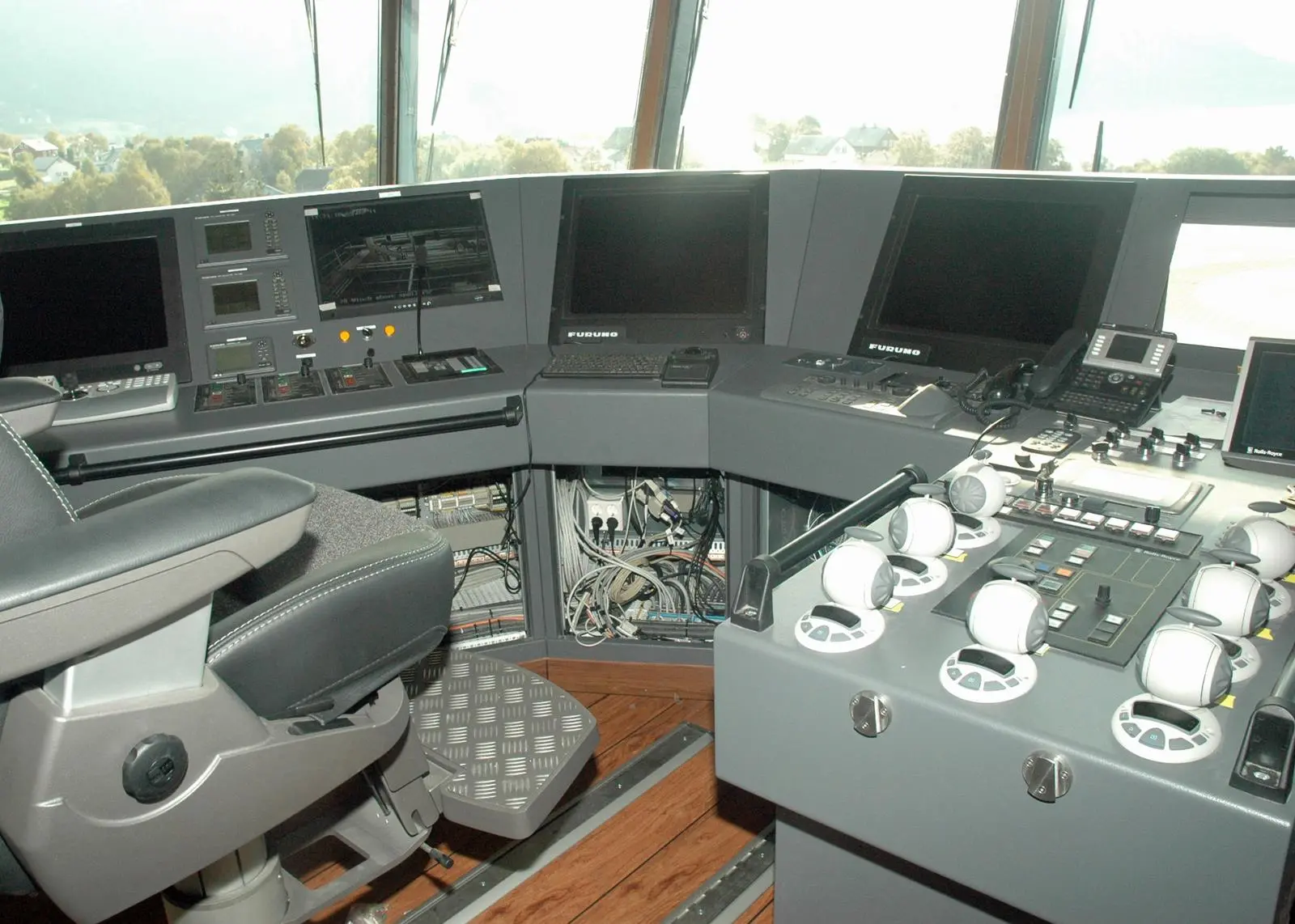
Modern cruise ship are packed with high level complicated electronics and integrated monitoring, control and alarm systems – automation hangs off every piece of equipment and system. Everything seems to have a micro processor based brain with the integration enabling one brain to talk to another one. Gone are the days when service technicians primary tools were multi-meters, screwdrivers and the like as computers loaded with proprietary software have become the norm in investigating a problem.
Many engineering companies that have equipment installed on ships provide remote diagnostic services whereby data is continually streamed off the ship via a satellite feed to technicians who monitor what is happening. This type of service can be comforting to the operators and reflects more on the complications of the system(s) than on the capabilities of the ship’s electrical engineers.
It used to be that when something went wrong within the technical workings of a ship the first person that was called was the chief engineer; nowadays it is the chief electrical engineer or at the very least the chief engineer and the chief electrical engineer. With the enormous responsibility that rests on the shoulders of these two individuals, and I would argue that today the greater one sits with the chief electrical engineer, it is sometimes hard to understand how the status of the chief electrical engineer is not more than it is. No ship today could operate safely without electrical engineers and yet at best they are only valued to Staff Engineer Status. There is only one company I know of where they can run the technical department, where a licensed chief engineer reports to a non-licensed electrical engineer.
Between individual companies there appears to be no consistency in how electrical engineers are viewed or of their status. Some operating companies recognise and value their electrical engineers more completely than others, but, it has been my experience that, but for one, none of them value their electrical engineers to the same level as their counterpart marine mechanical engineers. In the 40 years I have been in this industry it has been this way. Non-electrical engineers tend to give lip service of support to how they think the ships electrical staff are as important as the marine engineers, but, nobody ever acts to change the present status quo. I feel that age-old prejudices within the industry that has been dominated by marine mechanical engineers are holding it back. The era of the electrical engineer is here, but, the establishment doesn’t appear to want to acknowledge it.
It will be an enormous step forward to have licensed electrical engineers as it will, or should, ensure that the knowledge and skill levels necessary for individuals to hold a certain position have been fulfilled. However, that is only the start as beyond having certified electrical engineers shipping companies must ensure that they be trained and periodically retrained. To be effective there is a need, a must, for electrical engineers to know and understand how the electrics and systems, on the ship they are assigned to, function and on how to operate them. It has been my experience that too often:
- Companies do not have familiarisation procedures in place that apply formal testing to ensure that the electrical engineers learn the systems on their ships and how they operate – it is incumbent upon the individuals to take the initiative on this and for the chief electrical engineers to provide ‘training’ and ‘guidance’.
- Apart from the chief electrical engineer and his deputy it seems common that no other electrical engineers on the ships know how to manually parallel generators onto a switchboard – with the high level of automation it is probable that the recovery from a black out will be automatic, and it is this unblinking faith in the automation that has allowed the skill of manual paralleling to be taken for granted.
- Practicing black out recovery exercises has been incorporated into the testing of the emergency system – starting of the emergency generator when the bus-tie circuit breaker is tripped and the subsequent closing of its circuit breaker to supply loads, everything is handled by the automation. With few exceptions nobody undertakes regular (monthly) exercises to recover the plant manually after a black out whether it be achieved by actual black-outs or by ‘touch’ exercises.
- Refresher training by equipment manufacturers is not contracted-in frequently enough to ensure that those who have been trained retain the knowledge they had and new electrical engineers receive training – if there has been no cause for individuals to use their knowledge it tends to get lost and they become less effective.
While the equipment and systems are operating without incident I have seen that a moderate amount of complacency towards training becomes normal, particularly in tough economic times. Too often training becomes an ‘in house’ event which relies on already heavily burdened individuals to execute without the guidance of a formal documented structure that records the results of the exercises. It is this feedback as much as anything that is missing from most training, which, deprives those implementing it from being able to objectively measure its success and effectiveness.
So while the STCW is to be applauded for getting to grips with the issues surrounding the training and certification/licensing of electrical engineers, at the end of the day no number of certificates and licenses, even if they are printed on the heaviest of bonded paper, will replace: (1) the familiarisation and training programs every ship’s electrical engineer and electrician should receive when they join a ship and (2) the regular retesting of their skills and of their knowledge on how the systems function.
Related Articles
 ALTERNATIVE FUELS & LUBRICANTS
 ALTERNATIVE FUELS & LUBRICANTS
 OPINION