



Study highlights methanol’s potential
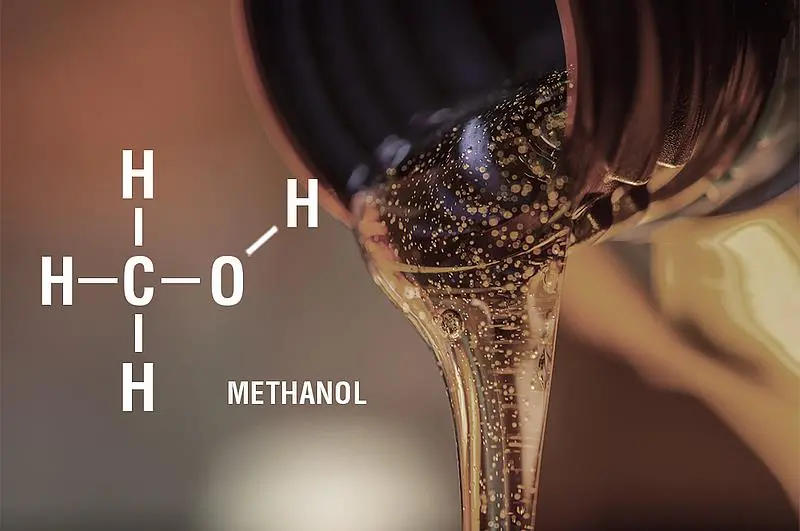
Researchers at the Öko-Institut in Breisgua, Germany found that it is significantly less harmful to the environment that heavy fuel oil and more straightforward to use than ammonia or hydrogen.
“Transport is the laggard sector in climate protection. Greenhouse gas emissions are not falling here – on the contrary, they are rising,” said Leif Miller, chief executive of the Nature and Biodiversity Conservation Union (NABU) which commissioned the study.
“Technical solutions are important. But it is even more important that the political course is now set so that these technologies finally sweep fossil fuels out of the race. [It is the] last chance for shipping to meet the Paris climate goals,” he added.
E-methanol produced from renewable energy sources offers many advantages compared to fossil fuels such as diesel, heavy fuel oil and LNG but also to e-ammonia, found the study.
In the event of a leak, methanol dissolves very quickly in water and vapours released into the air are also dispersed quickly. Moreover, existing guidelines are effective and the risks to marine ecosystems are manageable and significantly lower compared to ammonia.
Above all, risks are much lower than with toxic heavy fuel oil that is used on many ships today and frequently leads to the contamination of entire regions, say researchers.
Sönke Diesener, NABU shipping expert, points out some of the challenges. “Huge volumes of renewable electricity are required to produce the necessary quantity [of green methanol],” he said.
“But in shipping, unlike other industries, there is no way around e-fuels. To bring e-fuels to market as quickly as possible, the international requirements for limiting the climate impact in shipping must be adapted promptly and price differences compared with fossil fuels,” he continued.
A diverse mix of future fuels is likely to become the norm in shipping, conclude the researchers, with methanol a part of this mix.
To fundamentally reduce energy requirements, however, ships must above all become more efficient, using alternatives such as wind propulsion, and, ultimately, the demand for energy must also be reduced through lower transportation requirements.
Related Articles
 METHANOL
 METHANOL
 2-STROKE & 4-STROKE